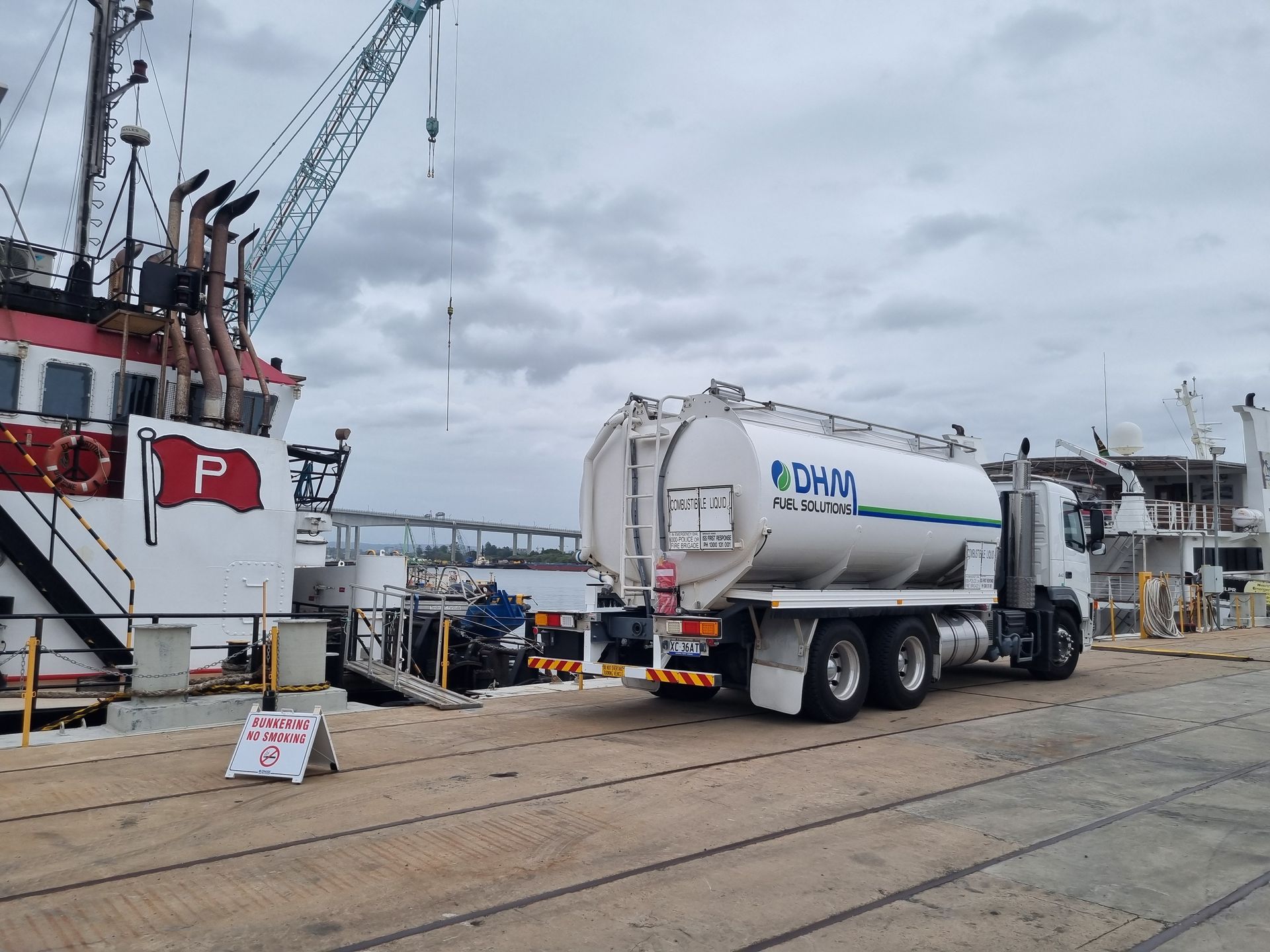
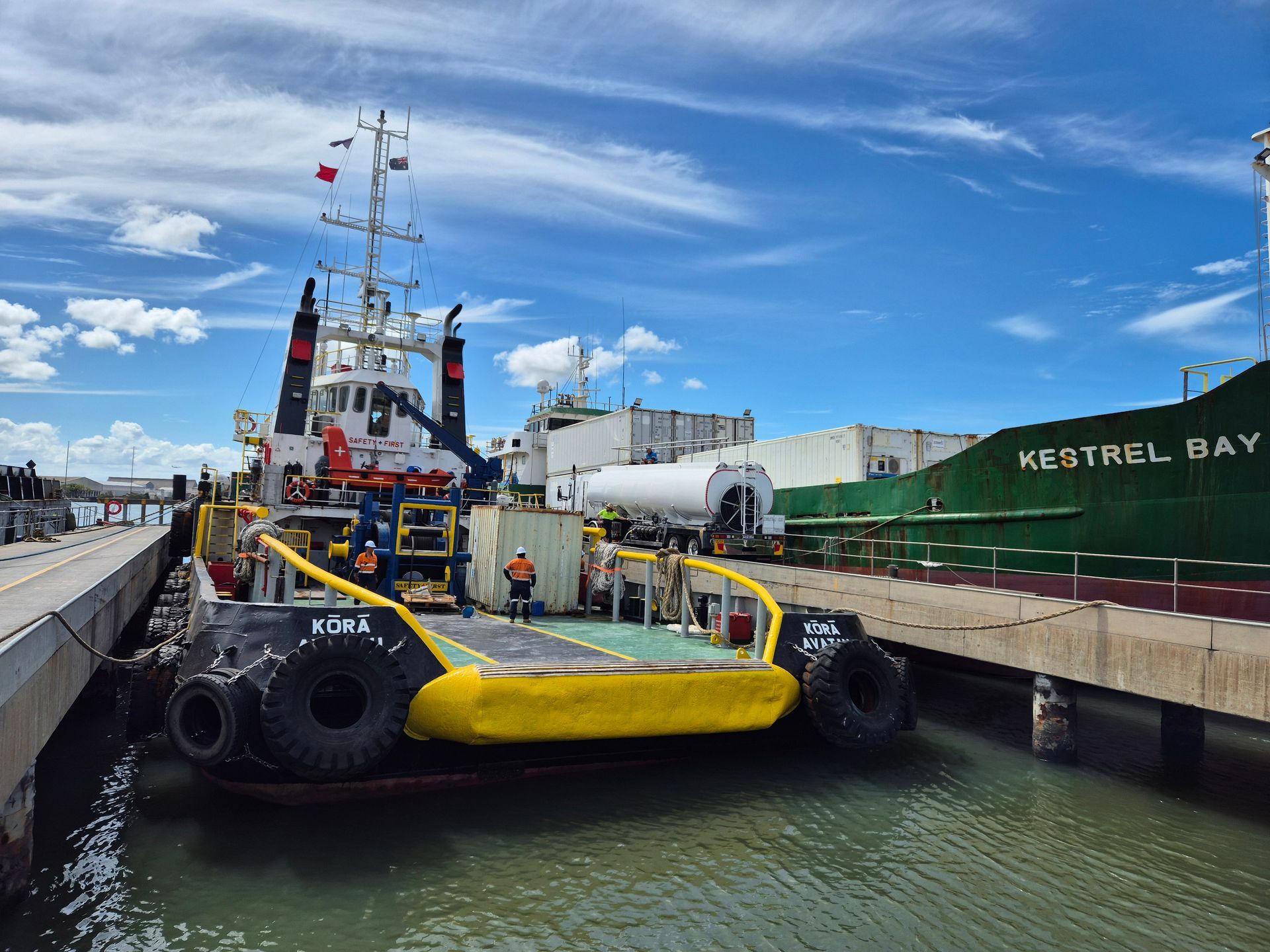
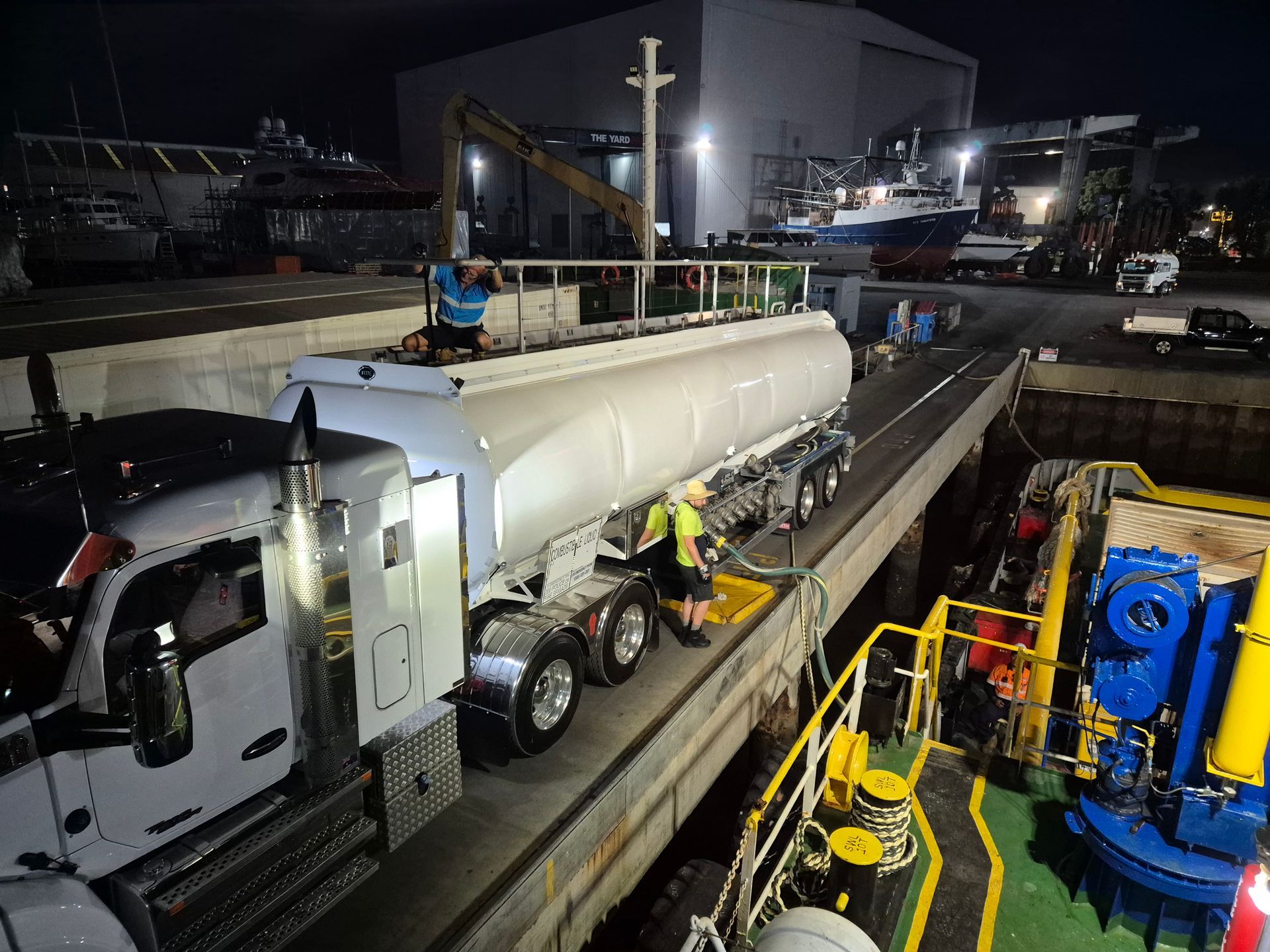
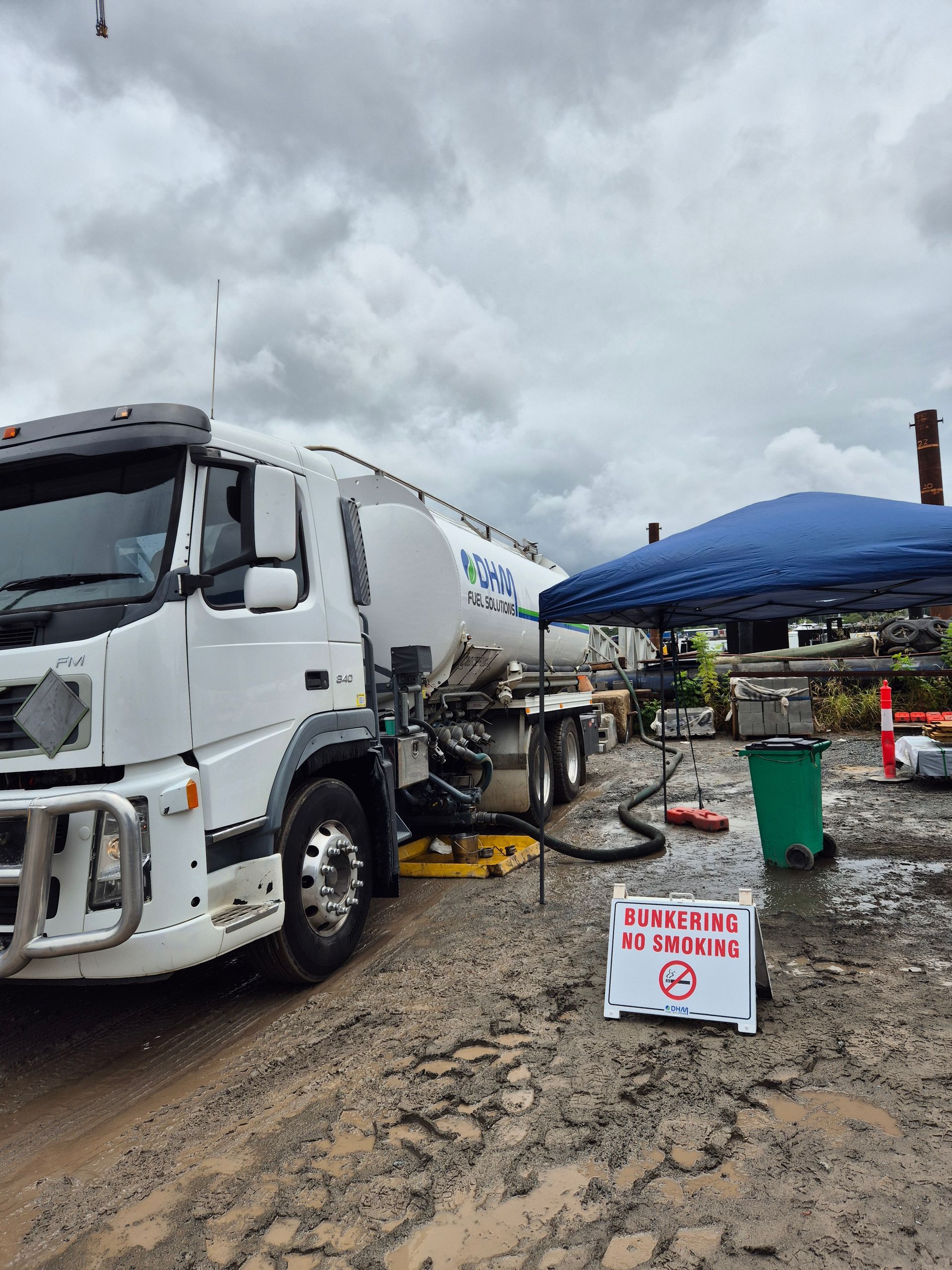
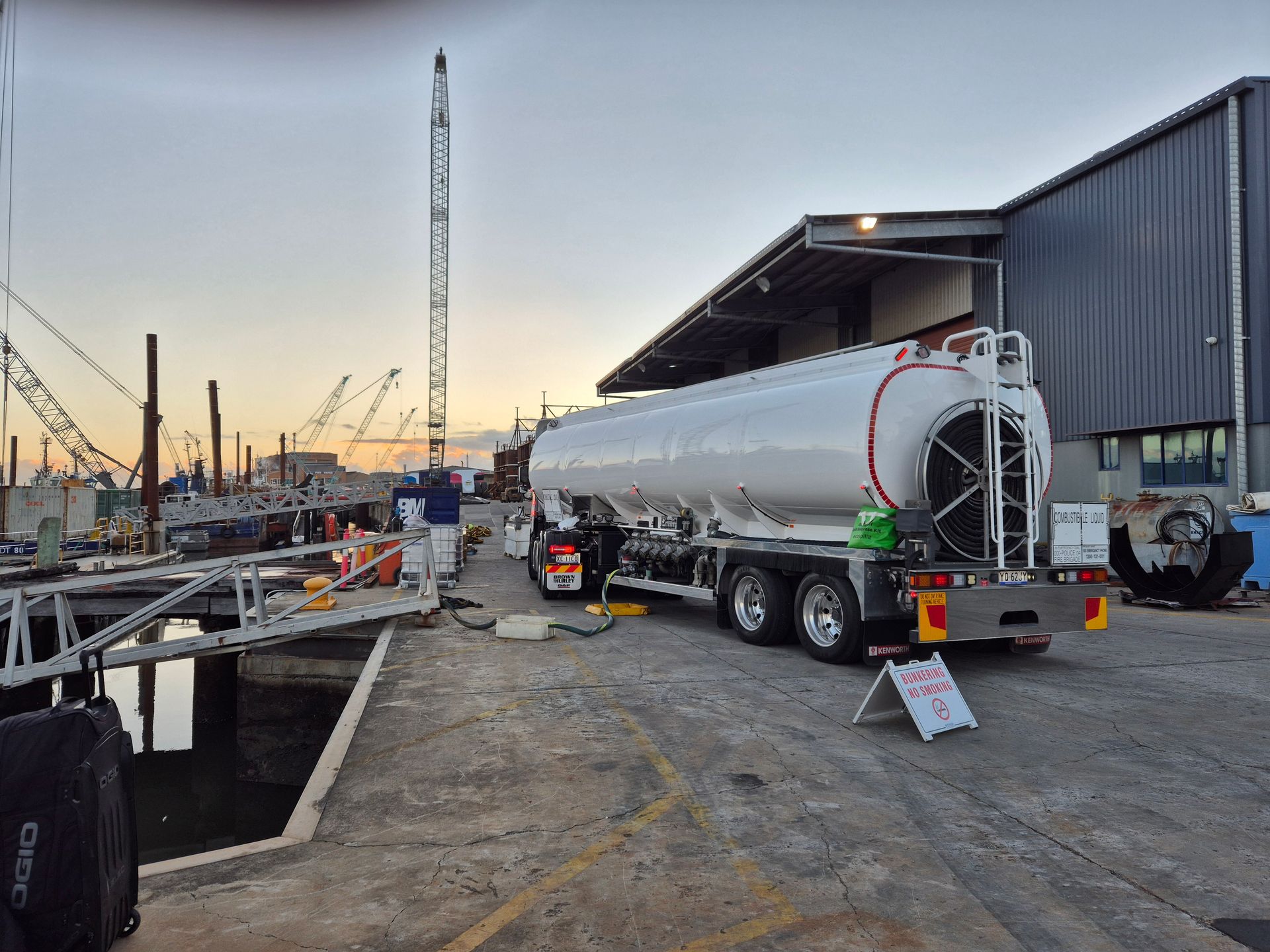
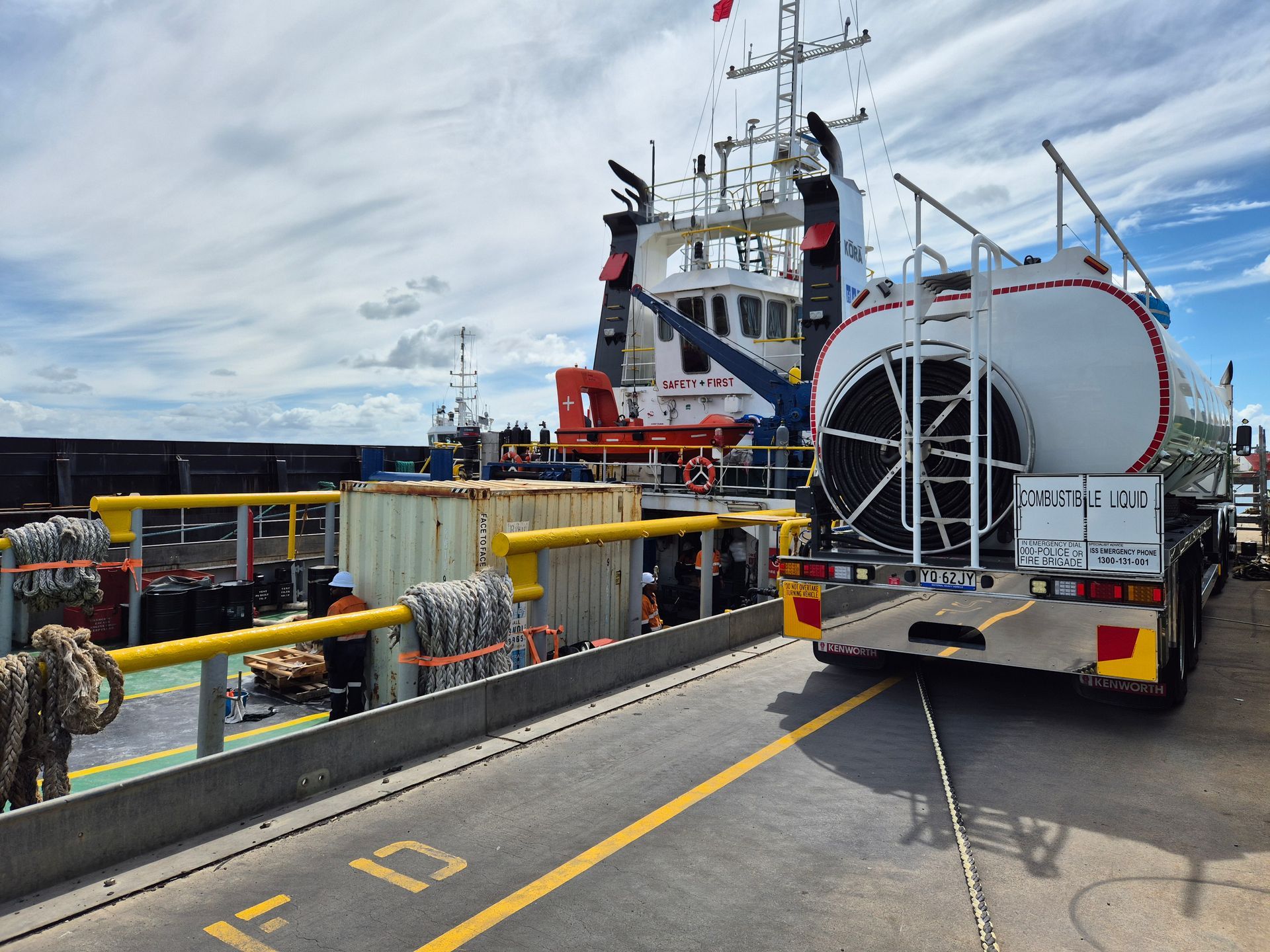
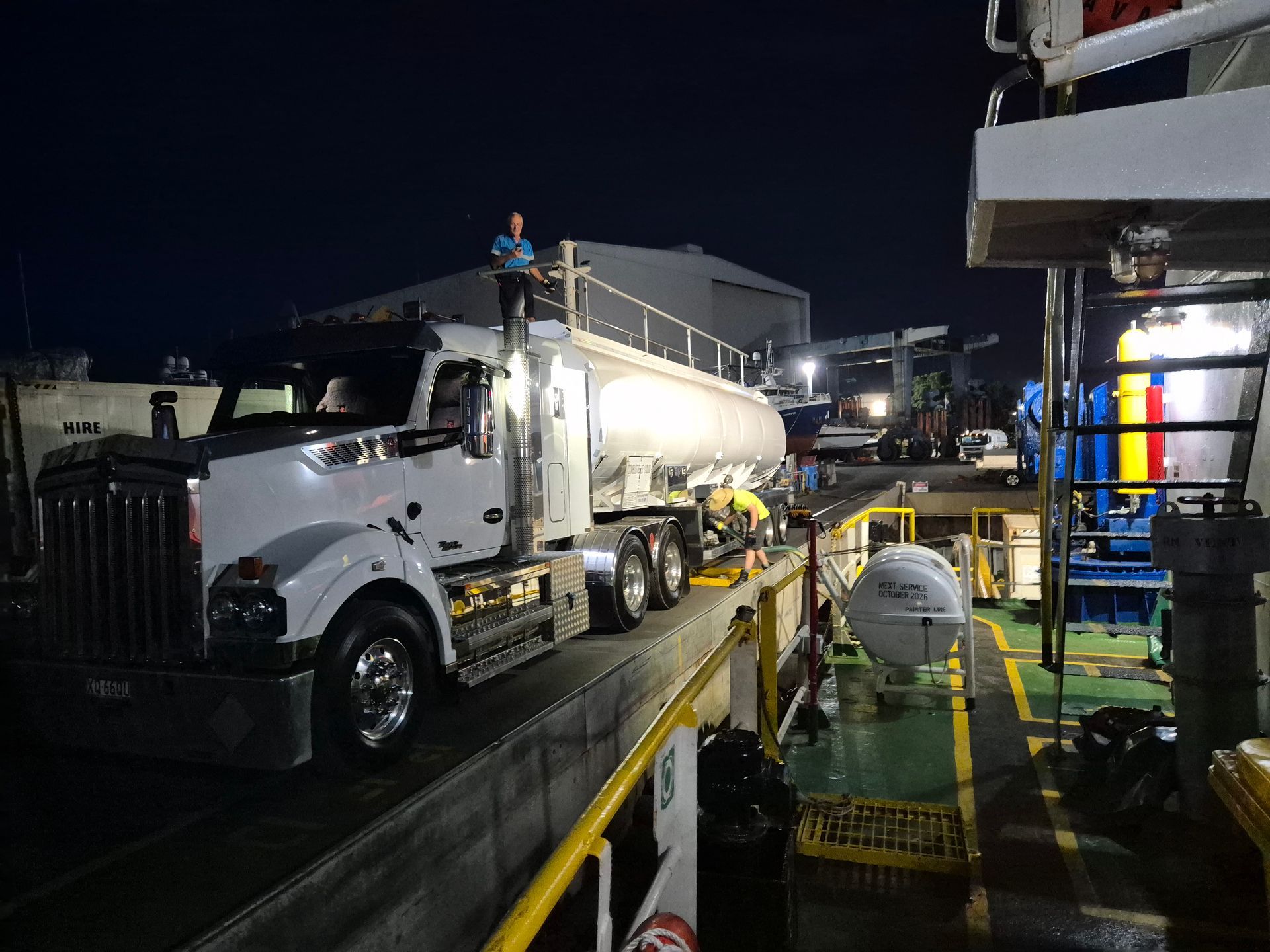
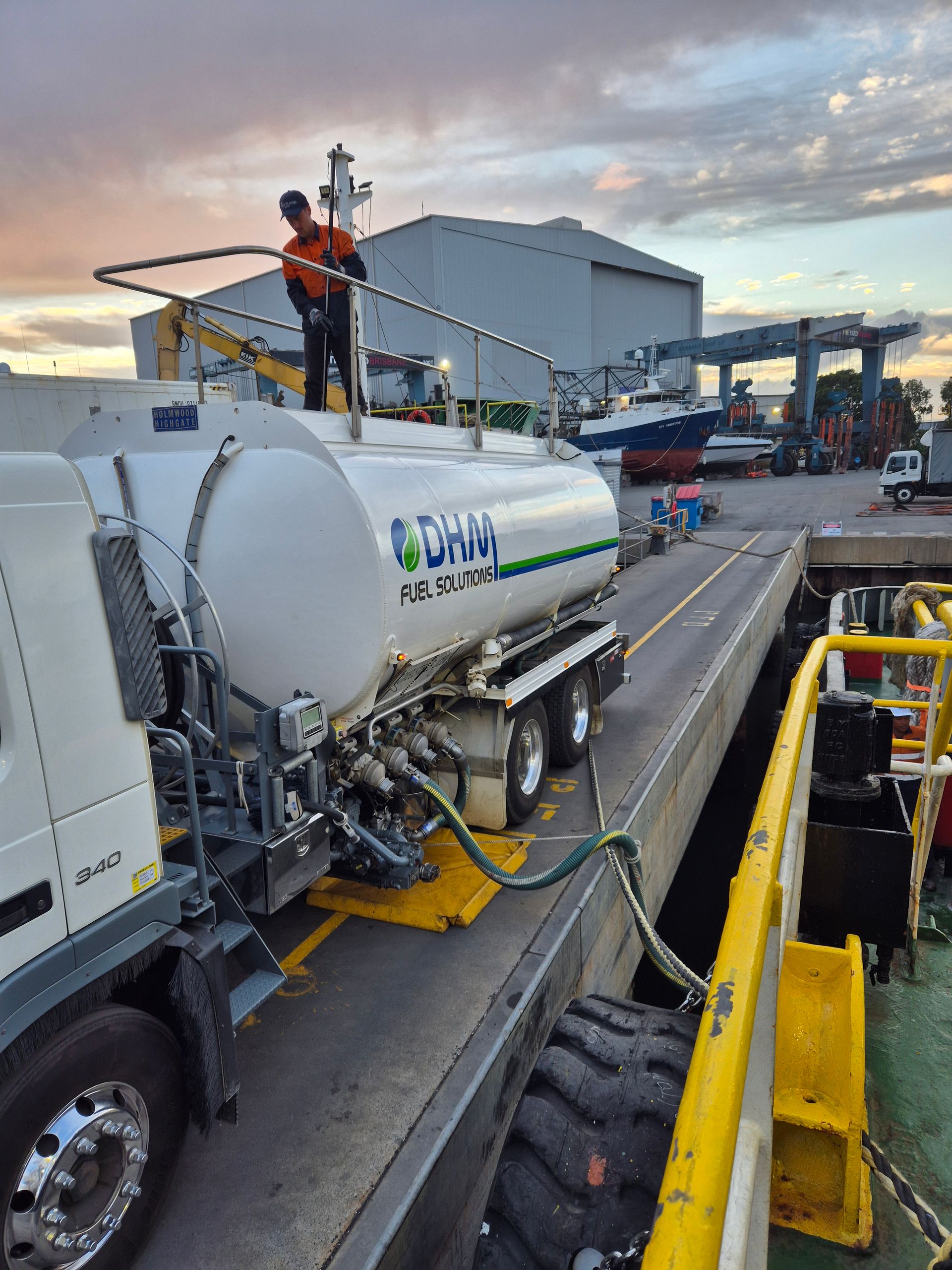
What is on-site refuelling?
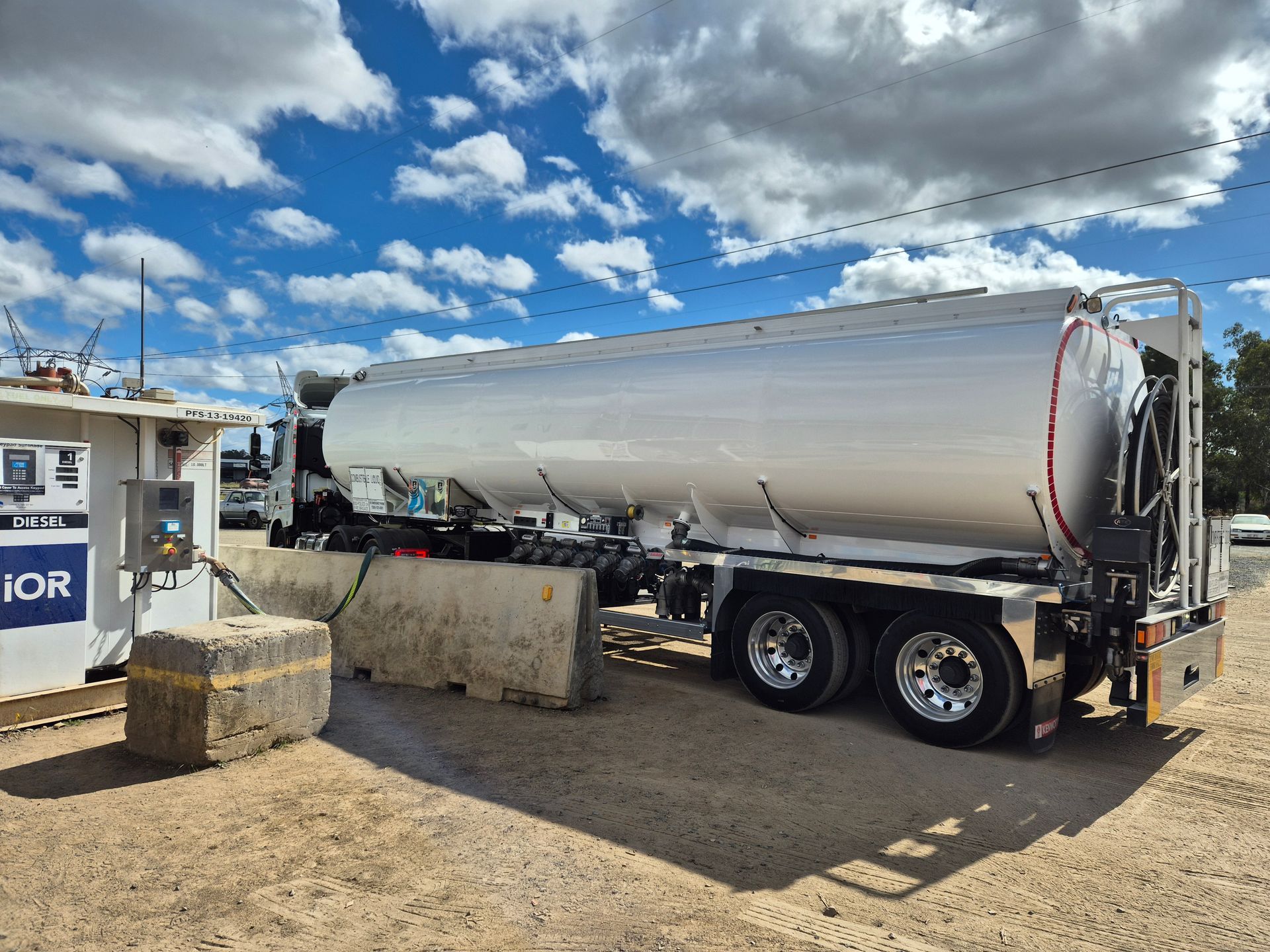
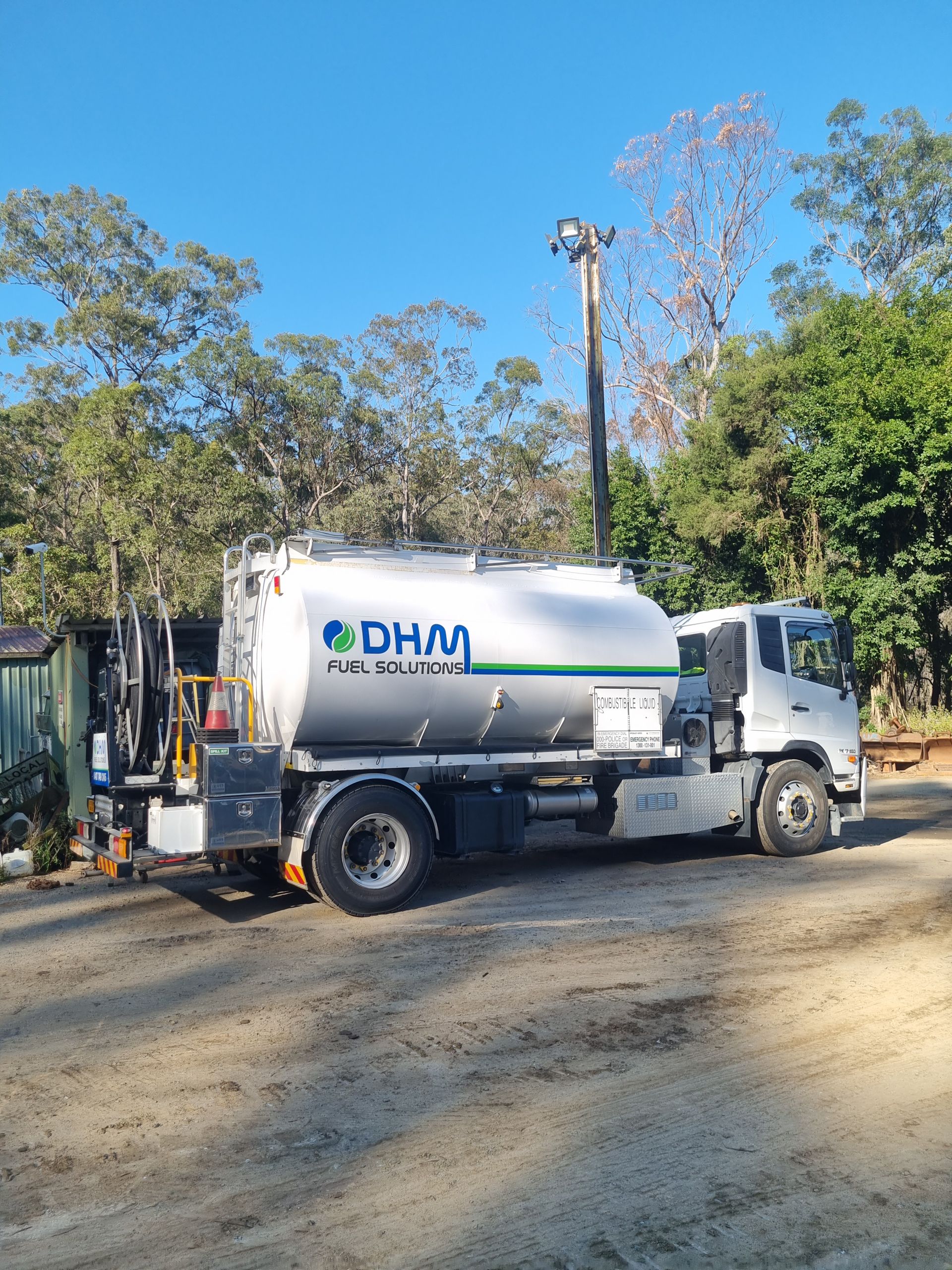
On-site refuelling involves a fuel supplier coming directly to your location to refuel equipment, vehicles, or machinery.
Instead of workers stopping operations to travel for fuel, refuelling happens on-site, often during off-hours or scheduled servicing windows.
This is commonly used in:
- Construction sites
- Transport fleets
- Mining operations
- Agricultural businesses
- Industrial worksites
The goal is simple:
Keep equipment moving without interrupting operations.
What is bulk fuel delivery?
Bulk fuel delivery involves supplying larger volumes of fuel directly into your storage tanks.
Your business stores fuel onsite and manages refuelling internally when needed.
This setup is common for businesses with:
- High fuel usage
- Permanent sites
- Existing fuel storage infrastructure
- Larger fleets or equipment operations
Bulk fuel delivery focuses more on long-term fuel availability and operational control.
The biggest difference between the two
Here’s the simplest way to think about it:
Onsite refuelling:
Fuel is delivered directly into equipment or vehicles.
Bulk delivery:
Fuel is delivered into your storage system for ongoing use.
Both improve efficiency, but in different ways.
Benefits of on-site refuelling
1. Reduces downtime
This is one of the biggest advantages.
Without on-site refuelling:
- Vehicles leave the site for fuel
- Operators stop work
- Productivity slows down
With on-site refuelling, fuel comes to you.
That means:
- Less interruption
- Better time management
- More operational hours
2. Improves labour efficiency
When operators spend less time refuelling, they spend more time working.
This is especially valuable across:
- Large fleets
- Multi-vehicle operations
- Remote sites
Small time savings quickly add up across an entire operation.
3. Better for temporary or mobile sites
Not every operation has permanent fuel infrastructure.
On-site refuelling works well for:
- Short-term projects
- Remote worksites
- Mobile operations
It gives businesses flexibility without requiring major storage investment.
4. Reduces fuel handling risks
Because fuel is handled by trained suppliers, there’s often less risk of:
- Spills
- Incorrect handling
- Fuel transfer contamination
This can improve both safety and compliance.
Benefits of bulk fuel delivery
1. Greater fuel availability
Bulk storage gives businesses direct access to fuel whenever it’s needed.
This reduces reliance on external refuelling schedules and helps operations stay flexible.
For high-usage businesses, that level of control is valuable.
2. Better long-term cost efficiency
Buying fuel in bulk can reduce:
- Delivery frequency
- Transport costs
- Fuel supply interruptions
For operations with consistent fuel demand, bulk delivery is often more cost-effective over time.
3. Improved operational control
Bulk fuel systems allow businesses to:
- Monitor fuel usage closely
- Track fuel inventory
- Manage internal refuelling schedules
This gives operators more visibility and planning flexibility.
4. Supports larger operations
High-demand sites often require constant fuel access.
Bulk fuel delivery is ideal for:
- Large fleets
- Industrial operations
- Permanent worksites
- High-consumption businesses
It provides a stable, ongoing fuel supply without daily scheduling dependence.
Which option is better for your operation?
The right choice depends on how your business operates.
Onsite refuelling may suit you if:
- You operate mobile or temporary sites
- Downtime is a major issue
- You want minimal fuel handling responsibilities
- Your fleet requires regular daily refuelling
Bulk fuel delivery may suit you if:
- You have permanent facilities
- Fuel usage is high and predictable
- You already have storage infrastructure
- You want greater control over supply and inventory
Good vs bad fuel setup example
Poor setup:
- Operators leaving site regularly for fuel
- No reserve supply onsite
- Unpredictable fuel scheduling
Result:
Lost productivity, higher labour costs, and operational delays.
Efficient setup:
- Fuel delivery aligned with operational demand
- Minimal downtime during refuelling
- Strong fuel visibility and planning
Result:
Smoother operations, lower costs, and better efficiency.
Can businesses use both?
Absolutely.
Many businesses combine:
- Bulk fuel storage for core supply
- On-site refuelling for operational convenience
This hybrid approach gives businesses:
- Greater flexibility
- Better fuel access
- Reduced downtime
- Improved operational efficiency
In 2026, more operations are moving towards mixed fuel supply strategies for exactly this reason.
Quick tips before choosing a fuel solution
Before deciding, ask:
- How often are vehicles or equipment refuelled?
- How much downtime is caused by refuelling?
- Do you have secure fuel storage capacity?
- Is your operation fixed or mobile?
- How predictable is your fuel usage?
The answers usually make the best option clearer.
Why fuel strategy matters more in 2026
Operating costs continue to rise across Australia.
That means businesses are under pressure to:
- Improve productivity
- Reduce waste
- Minimise downtime
- Increase efficiency
Fuel supply strategy now plays a much bigger role in operational performance than it did a few years ago.
The right setup doesn’t just keep fuel available.
It helps the entire operation run better.
There’s no one-size-fits-all answer when it comes to fuel supply.
On-site refuelling offers flexibility and reduced downtime.
Bulk fuel delivery provides control and long-term efficiency.
The best solution depends on:
- Your site setup
- Fuel usage
- Operational demands
- Growth plans
The goal is simple:
Choose the system that keeps your operations moving with the least disruption and the most efficiency.
Because when fuel works properly in the background, everything else runs smoother.