What is preventative fuel maintenance?
Preventative fuel maintenance is the routine inspection, testing, and servicing of fuel systems to identify problems before they cause equipment failures.
A preventative maintenance program may include:
- Fuel quality testing
- Fuel sampling
- Water removal
- Fuel tank servicing
- Fuel filtration
- Fuel system inspections
- Filter replacement
- Tank cleaning
The goal is simple.
Keep fuel clean, maintain equipment reliability, and reduce the likelihood of unexpected breakdowns.
Why waiting for a failure costs more
Many businesses delay fuel maintenance because everything appears to be operating normally.
Unfortunately, fuel contamination often develops without obvious warning signs.
By the time equipment stops working, the damage may already be extensive.
Emergency repairs can involve:
- Vehicle recovery or call-out costs
- Lost productivity
- Replacement parts
- Emergency labour
- Project delays
- Customer service disruptions
- Equipment downtime
The repair itself is often only one part of the total cost.
The hidden costs of emergency fuel repairs
When equipment fails unexpectedly, businesses often experience expenses that extend far beyond fixing the immediate problem.
Downtime
Every hour equipment is out of service can affect productivity.
For commercial fleets, construction sites, and industrial operations, delays quickly become expensive.
Damaged components
Contaminated fuel can damage:
- Fuel injectors
- High-pressure fuel pumps
- Fuel filters
- Engine components
Replacing these parts costs significantly more than preventing contamination in the first place.
Disrupted operations
Unexpected breakdowns can interrupt:
- Deliveries
- Project schedules
- Site operations
- Customer commitments
Operational disruption often costs more than the repair itself.
Higher maintenance costs
Emergency repairs usually require immediate action.
Urgent servicing, replacement parts and unplanned labour often cost considerably more than scheduled maintenance.
How preventative fuel maintenance saves money
Preventative maintenance focuses on stopping problems before they become expensive.
Here are some of the biggest financial benefits.
1. Identifies contamination early
Routine fuel testing can detect:
- Water contamination
- Sediment
- Microbial growth
- Fuel degradation
Early detection allows businesses to fix small problems before equipment is affected.
2. Extends equipment life
Clean fuel reduces wear on critical fuel system components.
This helps extend the lifespan of:
- Injectors
- Fuel pumps
- Filters
- Engines
Replacing these components less frequently lowers long-term operating costs.
3. Reduces downtime
Scheduled maintenance can be planned around operational requirements.
Emergency repairs cannot.
Reducing unexpected breakdowns helps improve productivity and keeps operations running smoothly.
4. Improves fuel efficiency
Poor fuel quality often causes engines to work harder than necessary.
Maintaining clean fuel supports:
- Better combustion
- Improved engine performance
- Lower fuel consumption
Even small efficiency improvements can produce significant savings across large fleets.
5. Supports better budgeting
Preventative maintenance creates predictable servicing costs.
Emergency repairs are unpredictable and often place unnecessary pressure on maintenance budgets.
Planning ahead makes financial management much easier.
Step-by-step: Building a preventative fuel maintenance plan
A successful maintenance program does not need to be complicated.
Consistency is what matters most.
Step 1: Inspect fuel storage systems
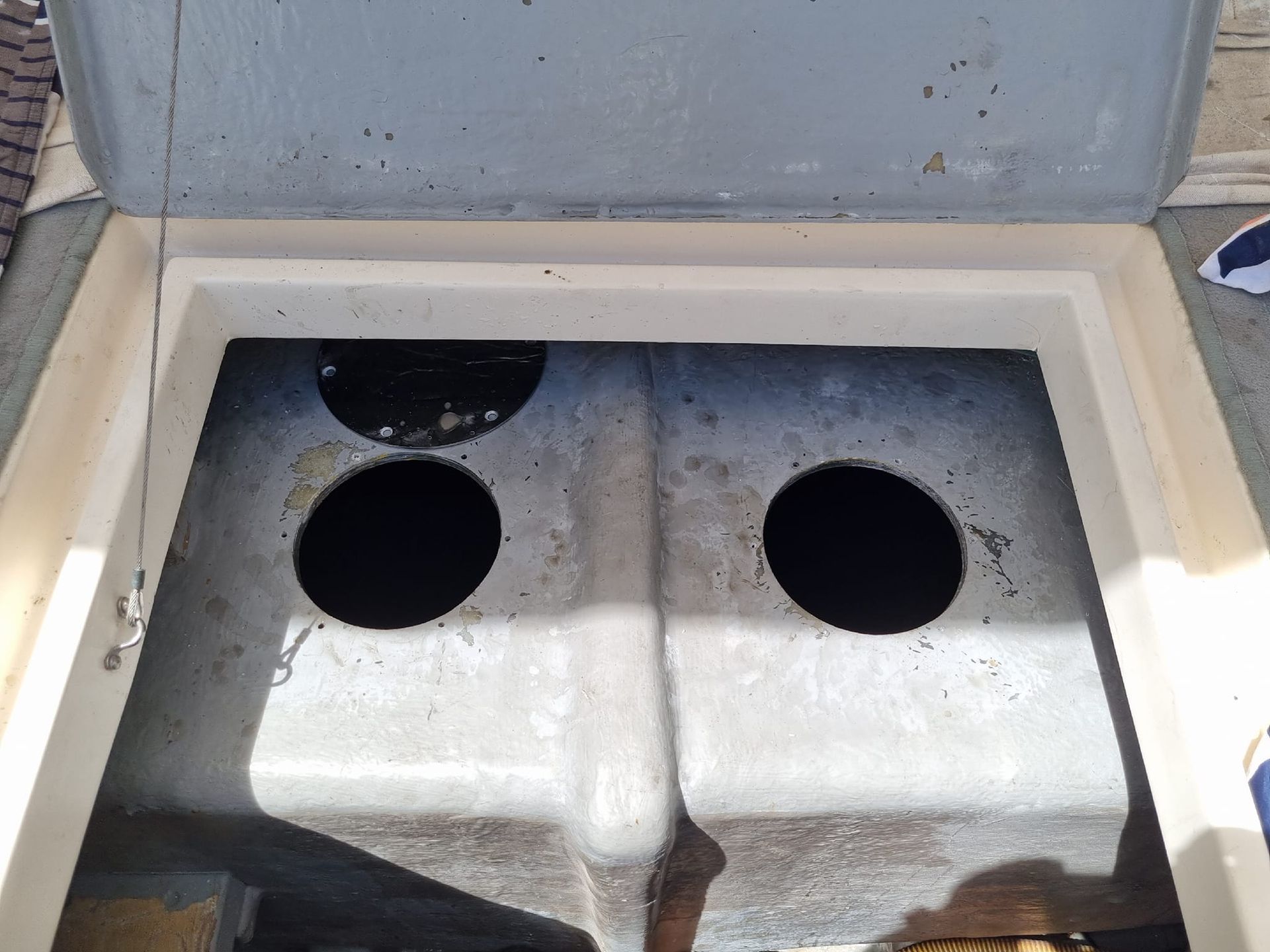
Regularly inspect storage tanks for:
- Water accumulation
- Sludge
- Corrosion
- Damaged seals
Keeping storage systems clean protects fuel quality.
Step 2: Schedule routine fuel testing
Fuel quality should be monitored throughout the year.
Routine testing helps identify contamination before it reaches equipment.
Step 3: Service fuel tanks
Fuel tank servicing removes contaminants that can damage engines over time.
Routine servicing also helps maintain long-term fuel quality.
Step 4: Replace filters before they fail
Fuel filters are designed to protect your equipment.
Replacing them as part of scheduled maintenance helps prevent unexpected blockages and fuel flow problems.
Step 5: Monitor equipment performance
Pay attention to warning signs such as:
- Reduced engine performance
- Increased fuel consumption
- Frequent filter replacements
- Hard starting
- Rough idling
Small performance changes often indicate developing fuel system issues.
Good vs bad fuel maintenance
Reactive Approach
Waiting for equipment failures
- Ignoring contamination
- Replacing damaged components
- Scheduling repairs after breakdowns
Result:
Higher repair costs, increased downtime and greater operational disruption.
Proactive approach
- Routine fuel testing
- Preventative fuel maintenance
- Fuel tank servicing
- Scheduled inspections
- Fuel quality monitoring
Result:
Lower maintenance costs, improved reliability and fewer unexpected repairs.
Quick tips you can apply immediately
If your business relies on diesel equipment, start with these simple improvements:
- Schedule routine fuel quality testing
- Inspect storage tanks for water
- Replace ageing fuel filters
- Review when tanks were last serviced
- Investigate recurring fuel-related issues instead of treating the symptoms
A small investment in preventative maintenance today can prevent major repair costs tomorrow.
Why preventative maintenance is a smarter investment
Many businesses view maintenance as an expense.
In reality, it is an investment in operational reliability.
Every preventative inspection, fuel test, and tank service helps reduce the likelihood of costly breakdowns that disrupt your business.
The businesses that experience fewer fuel-related failures are usually the ones that maintain their fuel systems consistently, not only when problems appear.
Emergency fuel repairs are expensive because they happen after damage has already occurred.
Preventative fuel maintenance works differently.
It identifies contamination early, protects equipment, reduces downtime, and helps businesses avoid costly repairs before they happen.
Whether you operate a commercial fleet, industrial equipment, or bulk fuel storage, investing in routine fuel system maintenance is one of the most cost-effective ways to improve long-term performance.
The goal is simple:
Prevent fuel problems early, and you will spend far less fixing them later.