Why fuel tank inspections are important
Fuel storage tanks are exposed to constant environmental changes.
Over time, they can collect:
- Water from condensation
- Sediment
- Rust particles
- Sludge
- Microbial contamination (diesel bug)
Without regular inspections, these contaminants remain hidden until they begin affecting your fuel system.
Routine inspections help identify problems early, allowing them to be corrected before they result in costly repairs or equipment failures.
How often should a fuel tank be inspected?
There is no single inspection schedule that suits every business.
The ideal frequency depends on several factors, including:
- The size of the fuel storage system
- How often fuel is used
- Storage conditions
- Environmental exposure
- The age of the tank
- Industry requirements
As a general rule, businesses should perform routine visual checks regularly and schedule comprehensive fuel tank inspections as part of their preventative maintenance program.
Sites storing large volumes of diesel or operating in harsh environments may require more frequent inspections to maintain fuel quality and equipment reliability.
What should be checked during a fuel tank inspection?
A thorough inspection involves more than simply checking fuel levels.
Important areas include:
Water contamination
Water is one of the leading causes of diesel fuel problems.
Inspect tanks for:
- Water accumulation
- Condensation
- Signs of moisture
Removing water early helps prevent corrosion and microbial growth.
Sludge and sediment
Over time, dirt, rust, and fuel degradation products settle at the bottom of the tank.
Excessive sediment can:
- Block fuel filters
- Restrict fuel flow
- Reduce engine performance
Routine inspections help determine when cleaning is required.
Tank condition
Inspect the physical condition of the tank, including:
- Corrosion
- Cracks
- Damaged coatings
- Leaking fittings
- Structural wear
Small defects can become major problems if left unattended.
Seals and vents
Damaged seals or blocked vents increase the risk of contamination.
Check:
- Filler caps
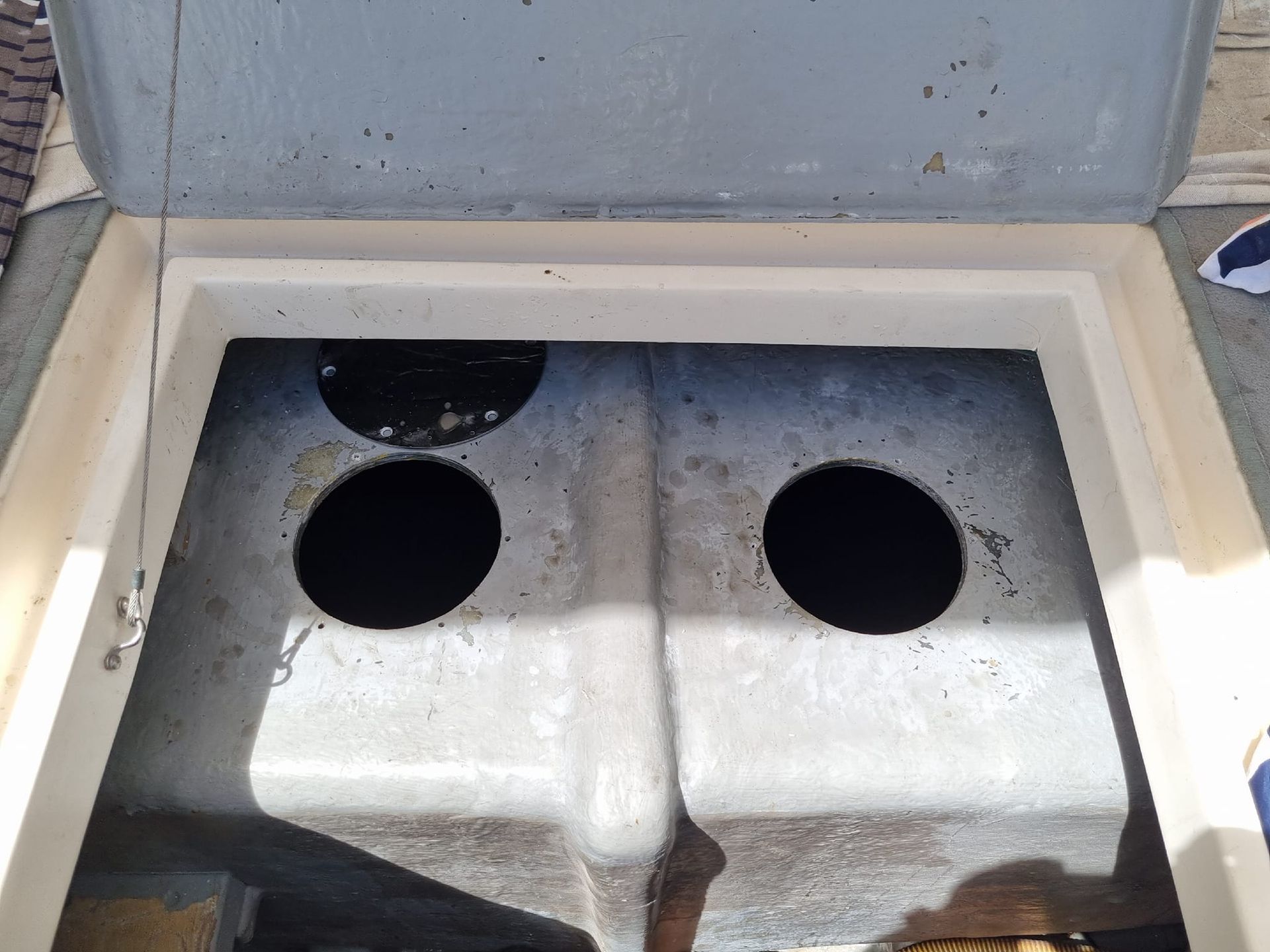
- Inspection hatches
- Vent systems
- Gaskets
Maintaining these components helps keep moisture and contaminants out.
Fuel quality
Visual inspections should be supported by routine fuel sampling and testing.
Testing can identify:
- Water contamination
- Fuel degradation
- Microbial contamination
- Sediment
This provides a more complete picture of fuel condition than visual checks alone.
Warning signs your fuel tank needs immediate attention
Do not wait for the next scheduled inspection if you notice:
- Frequent fuel filter blockages
- Hard starting engines
- Reduced engine performance
- Increased fuel consumption
- Visible water inside the tank
- Sludge or dark deposits
- Rust or corrosion
- Unusual fuel colour or odour
These warning signs often indicate contamination that requires prompt action.
Step-by-step: Keeping your fuel storage system in good condition
A preventative maintenance routine helps keep inspections consistent and effective.
Step 1: Carry out routine visual checks
Inspect tanks regularly for obvious signs of:
- Water
- Leaks
- Corrosion
- Damage
Simple visual checks can identify issues before they become more serious.
Step 2: Schedule professional fuel testing
Routine fuel sampling provides valuable information about fuel quality and contamination levels.
Testing helps identify problems that cannot be seen during a visual inspection.
Step 3: Remove contaminants promptly
If inspections identify water, sludge, or microbial contamination, take corrective action immediately.
Early treatment helps prevent damage to equipment and fuel systems.
Step 4: Clean tanks when required
Over time, contamination can build up despite regular maintenance.
A planned tank cleaning schedule helps remove accumulated sludge, sediment, and other contaminants before they affect fuel quality.
Cleaning frequency should be based on inspection findings rather than waiting for problems to occur.
Step 5: Keep accurate maintenance records
Record:
- Inspection dates
- Fuel testing results
- Cleaning activities
- Repairs completed
- Maintenance recommendations
Good records help identify recurring issues and support a more effective preventative maintenance program
Quick tips you can apply immediately
Improve your fuel storage maintenance by:
- Inspecting storage tanks regularly
- Looking for signs of water and sludge
- Scheduling routine fuel quality testing
- Checking seals, vents, and fittings
- Reviewing when the tank was last professionally cleaned
Consistent maintenance is far more effective than responding to unexpected failures.
Why regular inspections save money
Fuel tank inspections are not simply about checking the condition of a storage tank.
They help protect everything connected to it.
By identifying contamination early, businesses can avoid expensive repairs, reduce equipment downtime, and extend the life of their fuel systems.
Preventative inspections also support safer operations and more reliable fuel performance across the entire site.
There is no universal timetable for fuel tank inspections because every operation is different.
However, one principle applies to every business.
The more consistently you inspect, test, and maintain your fuel storage system, the less likely you are to experience costly contamination and equipment failures.
Routine inspections, fuel quality testing and a planned tank cleaning schedule work together to keep diesel storage systems operating at their best.
The goal is simple:
Inspect your fuel tanks before problems develop, and your equipment will reward you with greater reliability and lower maintenance costs.