Why fuel quality matters for heavy equipment
Heavy equipment relies on clean diesel to keep engines and fuel systems operating efficiently.
Modern machinery uses precision fuel injection systems that are far less tolerant of contamination than older equipment.
Even small amounts of contaminated diesel can affect:
- Fuel injectors
- High-pressure fuel pumps
- Fuel filters
- Engine performance
- Overall equipment reliability
Protecting fuel quality helps protect every machine on site.
How contaminated diesel affects heavy equipment productivity
Fuel contamination impacts more than just the engine. It affects the productivity of the entire operation.
1. More equipment downtime
One unexpected breakdown can stop work across an entire project.
Contaminated fuel commonly causes:
- Blocked fuel filters
- Fuel flow restrictions
- Engine faults
- Equipment shutdowns
Every hour spent repairing machinery is an hour of lost productivity.
2. Reduced engine performance
When fuel quality declines, engines often struggle to perform at their best.
Operators may notice:
- Reduced power
- Slower response
- Rough idling
- Hard starting
- Poor acceleration
Reduced performance means equipment takes longer to complete the same tasks.
3. Increased maintenance costs
Fuel contamination accelerates wear on critical components.
Over time, businesses may need to replace:
- Fuel injectors
- Fuel pumps
- Fuel filters
- Fuel lines
- Engine components
Preventative fuel maintenance costs far less than replacing damaged parts.
4. Higher fuel consumption
Poor-quality diesel does not burn as efficiently.
As engine performance declines, equipment often consumes more fuel to produce the same output. Across an entire fleet, increased fuel consumption can significantly raise operating costs.
5. Shorter equipment lifespan
Continuous exposure to contaminated diesel increases wear throughout the fuel system.
Over time, this reduces the service life of expensive machinery and increases long-term ownership costs. Protecting fuel quality helps maximise the lifespan of valuable equipment.
What causes fuel contamination on construction sites?
Construction environments naturally expose fuel systems to contamination.
Common causes include:
- Water entering storage tanks
- Dust and dirt during refuelling
- Condensation inside fuel tanks
- Microbial contamination (diesel bug)
- Fuel degradation during long-term storage
Without regular inspections, these contaminants continue to build over time.
Warning signs your equipment may have fuel contamination
Fuel problems often develop gradually.
Watch for warning signs such as:
- Frequent fuel filter blockages
- Hard starting machinery
- Reduced engine power
- Increased fuel consumption
- Black smoke
- Rough engine operation
- More frequent repairs
- Unexpected equipment downtime
Investigating these issues early can prevent more serious failures.
Step-by-step: How to protect heavy equipment from fuel contamination
Preventing contamination is far easier than repairing damaged machinery.
Step 1: Inspect fuel storage systems regularly
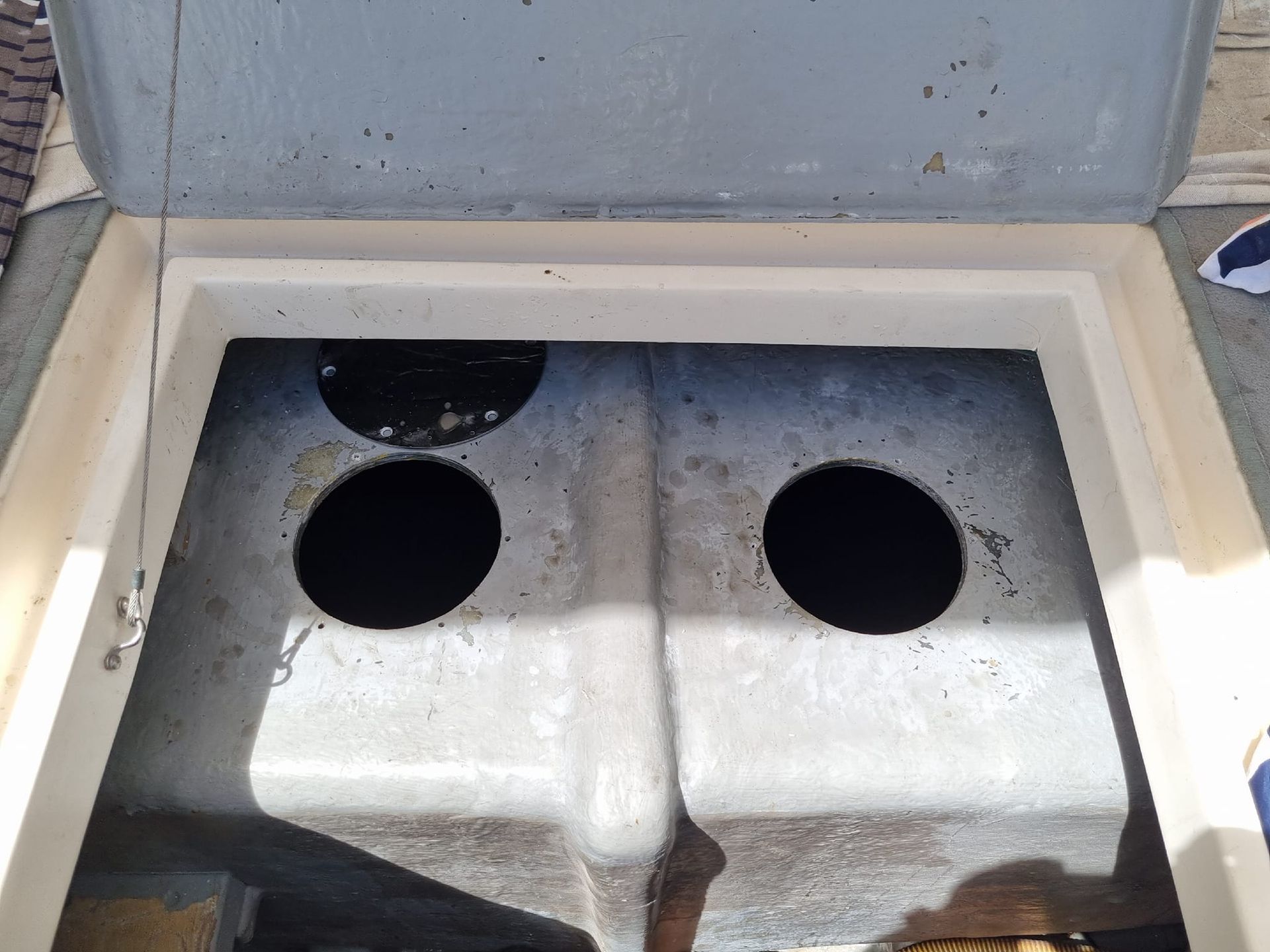
Check tanks for:
- Water
- Sludge
- Corrosion
- Damaged seals
- Leaks
Clean storage systems are the foundation of clean fuel.
Step 2: Test diesel quality
Routine fuel sampling helps identify contamination before equipment is affected.
Testing can detect:
- Water contamination
- Sediment
- Fuel degradation
- Microbial contamination
Early detection allows corrective action before costly repairs are required.
Step 3: Keep refuelling equipment clean
Fuel pumps, hoses, and nozzles should be inspected regularly. Keeping transfer equipment clean helps prevent dirt and debris from entering machinery during refuelling.
Step 4: Replace fuel filters on schedule
Fuel filters protect expensive engine components. Replacing them during routine maintenance reduces the risk of contamination reaching injectors and fuel pumps.
Step 5: Include fuel management in preventative maintenance
Fuel quality should be monitored alongside routine machinery servicing.
A complete maintenance program should include:
- Fuel sampling
- Tank inspections
- Water removal
- Fuel quality testing
- Filter replacement
Preventative maintenance keeps equipment operating reliably.
Quick tips you can apply immediately
Improve heavy equipment performance with these practical steps:
- Inspect fuel storage tanks for water
- Schedule routine fuel quality testing
- Keep refuelling equipment clean
- Replace overdue fuel filters
- Investigate recurring engine performance issues early
- Monitor equipment for signs of fuel contamination
Small preventative actions can protect expensive machinery and reduce costly downtime.
Why clean fuel keeps projects moving
Heavy equipment is one of the largest investments on any construction or mining site.
Every hour a machine is unavailable affects productivity, project schedules, and operating costs. Businesses that prioritise fuel quality experience fewer breakdowns, lower maintenance expenses, and more reliable equipment performance.
Good fuel management helps keep projects on schedule and equipment operating at its best.
Fuel contamination is one of the most preventable causes of heavy equipment downtime.
Water, dirt, sediment, and microbial contamination can quietly damage fuel systems, reduce engine performance, and shorten the lifespan of valuable machinery.
Routine fuel quality testing, preventative maintenance, and proper fuel storage help protect your equipment and keep productivity high.
The goal is simple:
Protect your fuel, and your heavy equipment will deliver the reliable performance your operation depends on.