What is fuel sampling?
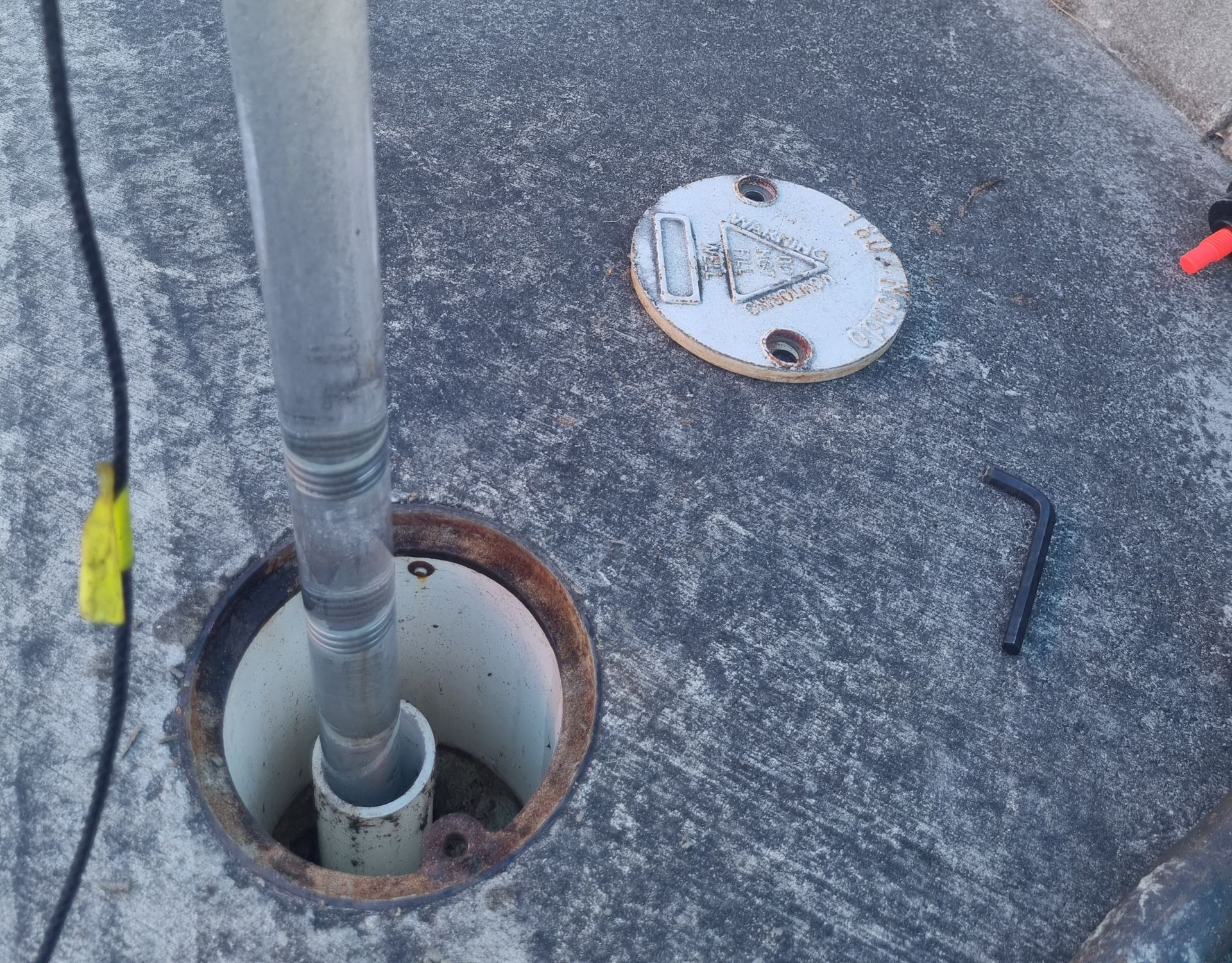
Fuel sampling is the process of collecting a small sample of fuel from a storage tank, fuel line, or equipment for laboratory testing and analysis.
The sample is checked for contaminants that cannot always be seen with the naked eye, including:
- Water contamination
- Sediment and dirt
- Microbial contamination (diesel bug)
- Fuel degradation
- Oxidation
- Particulate matter
Fuel sampling provides valuable information about the condition of your fuel before it begins affecting engines or equipment.
Think of it as a health check for your fuel system.
Why fuel quality matters
Clean fuel keeps equipment performing as it should.
Contaminated fuel does the opposite.
Poor fuel quality can lead to:
- Blocked fuel filters
- Injector damage
- Reduced engine performance
- Increased fuel consumption
- Corrosion inside fuel systems
- Unexpected equipment failures
- Higher maintenance costs
Many of these problems develop gradually.
Without fuel quality testing, operators often do not realise there is an issue until equipment performance starts to decline.
The most common contaminants found during fuel testing
Routine diesel fuel testing often identifies issues long before they become expensive repairs.
Water contamination
Water is one of the biggest threats to diesel fuel.
It enters storage tanks through condensation, damaged seals or poor storage conditions.
Even small amounts of water can:
- Encourage microbial growth
- Cause corrosion
- Reduce fuel quality
- Damage fuel systems
Microbial contamination
Microbial contamination, commonly known as diesel bug, develops where water and fuel meet.
As microorganisms multiply, they produce sludge that can:
- Block filters
- Restrict fuel flow
- Damage injectors
- Reduce engine reliability
Without testing, microbial growth often remains hidden until major issues appear.
Sediment and dirt
Dust, rust and debris naturally accumulate over time.
If these contaminants enter the fuel system, they increase wear on pumps, injectors and filters.
Routine fuel analysis helps identify excessive contamination before equipment is affected.
Fuel degradation
Diesel fuel changes over time.
Long storage periods, exposure to oxygen and changing temperatures can reduce fuel quality and performance.
Fuel analysis identifies whether stored fuel is still suitable for use.
How fuel sampling prevents equipment failures
Fuel sampling is not just about identifying problems.
It allows businesses to act before problems become failures.
Here is how it helps.
1. Detects contamination early
Fuel testing identifies contamination before it reaches engines or equipment.
Instead of repairing damaged components, businesses can address the root cause early.
2. Reduces unexpected downtime
Equipment failures rarely happen at convenient times.
Routine fuel sampling helps reduce the likelihood of breakdowns that interrupt operations.
For businesses running fleets or marine operations, avoiding even one unexpected breakdown can save significant time and money.
3. Protects expensive equipment
Modern diesel engines rely on precision fuel systems.
Contaminated fuel increases wear on:
- Fuel injectors
- High-pressure pumps
- Fuel filters
- Engine components
Keeping fuel clean helps extend equipment life and reduce maintenance costs.
4. Supports preventative maintenance
Fuel sampling allows maintenance to become proactive instead of reactive.
Rather than waiting for equipment to fail, operators can schedule maintenance based on the actual condition of the fuel.
This improves planning and reduces emergency repairs.
Step-by-step: How to build a fuel sampling routine
Routine fuel sampling does not need to be complicated.
Following a consistent process helps maintain fuel quality year-round.
Step 1: Identify critical fuel storage locations
Begin by identifying storage tanks and equipment that hold fuel for long periods.
These locations often present the highest contamination risk.
Step 2: Schedule regular sampling
Fuel should be sampled as part of a preventative maintenance program.
Sampling frequency will depend on:
- Fuel storage volume
- Operating conditions
- Equipment usage
- Environmental exposure
Regular testing provides a clear picture of fuel quality over time.
Step 3: Analyse the results
Professional fuel analysis can identify:
- Water contamination
- Fuel degradation
- Microbial activity
- Sediment levels
These results help determine whether maintenance or fuel treatment is required.
Step 4: Take corrective action
If contamination is detected, address the issue immediately.
This may include:
- Removing water from tanks
- Cleaning storage systems
- Replacing filters
- Treating microbial contamination
- Improving storage conditions
Acting early prevents further damage.
Good vs bad fuel management
Reactive Approach
- Waiting for equipment failures
- Replacing parts after damage occurs
- Assuming fuel is clean without testing
- Responding only when problems appear
Result:
Higher maintenance costs, increased downtime and shorter equipment life.
Proactive approach
- Routine fuel sampling
- Regular diesel fuel testing
- Preventative maintenance
- Ongoing fuel quality monitoring
Result:
Cleaner fuel, improved reliability and lower operating costs.
Quick tips you can apply immediately
If your business stores diesel fuel, start with these simple actions:
- Review when fuel was last tested
- Inspect storage tanks for water or sediment
- Schedule routine fuel quality testing
- Keep maintenance records for fuel analysis results
- Investigate recurring filter blockages rather than simply replacing filters
These small steps can help prevent much larger problems later.
Why fuel sampling should be part of every maintenance plan
Many businesses invest heavily in maintaining engines, pumps and machinery.
Yet one of the most important components often goes unchecked.
The fuel.
Routine fuel sampling gives operators valuable insight into the health of their fuel system before contamination affects equipment performance.
It is a simple process that helps improve reliability, reduce maintenance costs, and support more efficient operations.
Fuel contamination does not happen overnight.
It develops gradually, often without obvious warning signs.
Routine fuel sampling helps identify contamination before it damages equipment, disrupts operations or increases maintenance costs.
Whether you manage a fleet, marine vessels, industrial equipment, or bulk fuel storage, regular diesel fuel testing is one of the most effective ways to protect your assets.
The goal is simple:
Test your fuel before it tests your equipment.