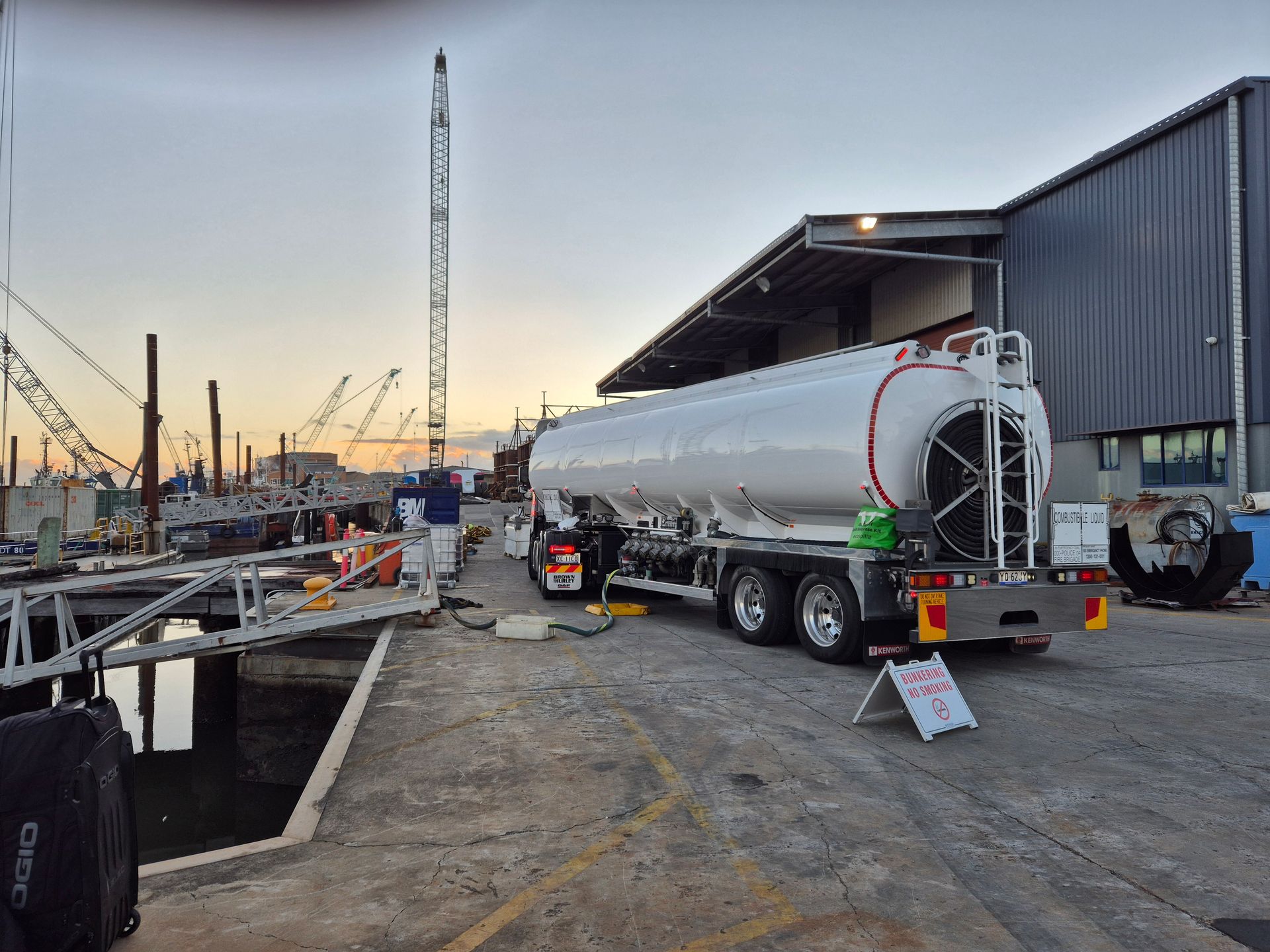
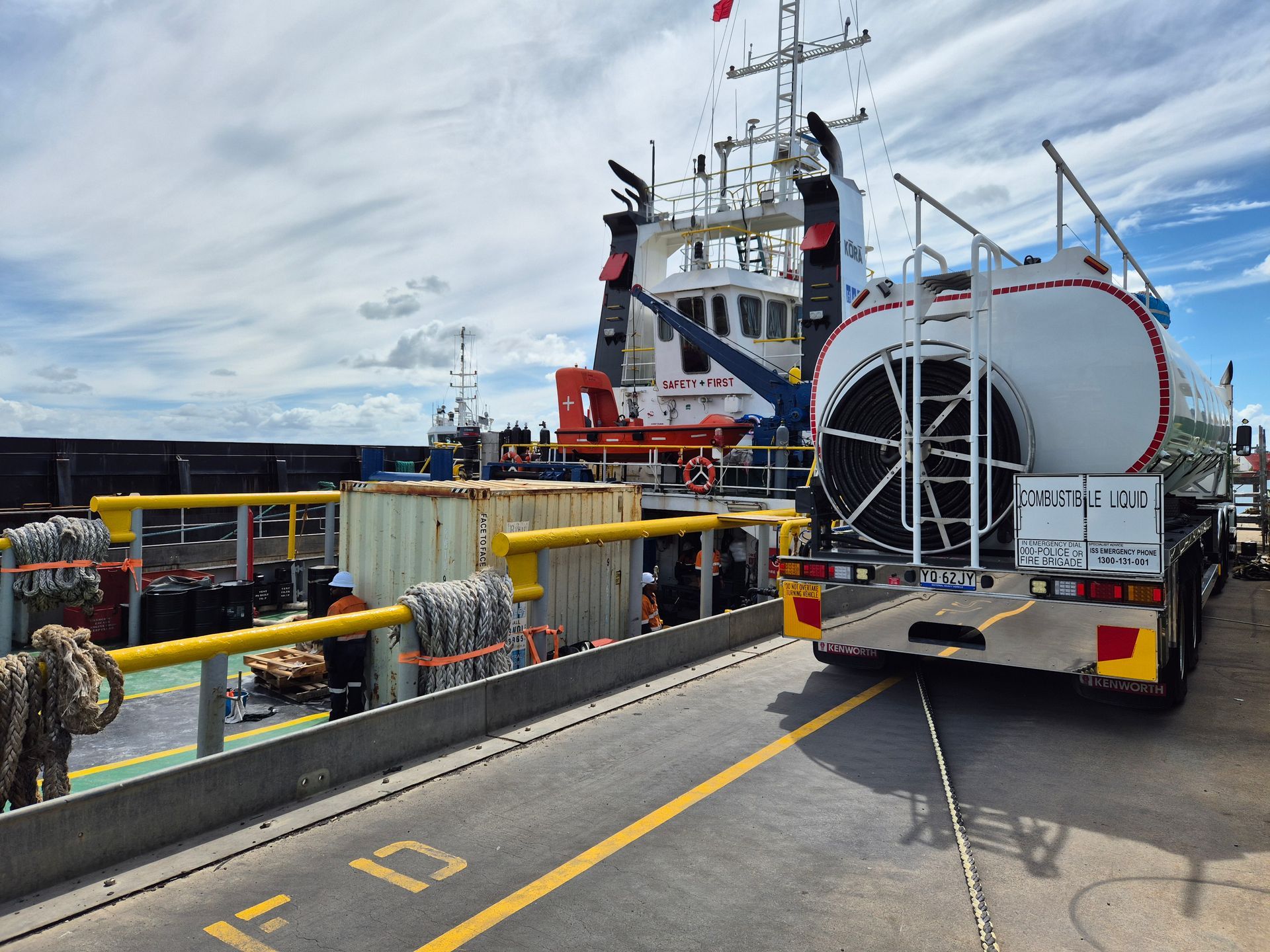
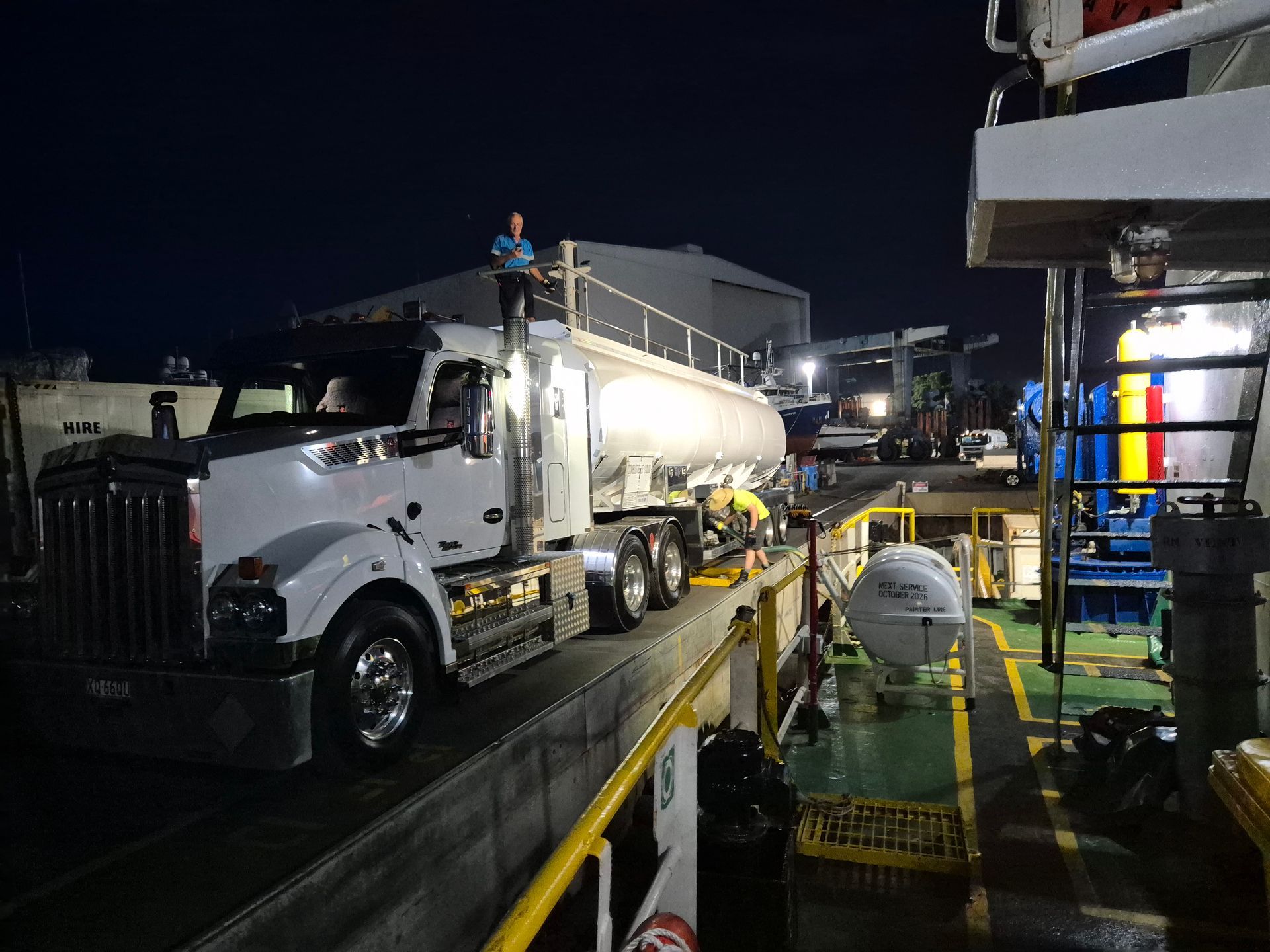
Why fuel management matters on mine and construction sites
Remote worksites create unique fuel management challenges.
Fuel is often stored for extended periods and exposed to harsh environmental conditions.
Dust, temperature changes, water contamination, and heavy equipment usage all increase the risk of fuel-related problems.
Poor fuel management can result in:
- Equipment downtime
- Higher maintenance costs
- Fuel contamination
- Reduced equipment performance
- Increased fuel consumption
- Project delays
- Shorter equipment life
A preventative approach helps avoid these issues before they affect your operation.
The complete onsite fuel management checklist
Use this checklist to improve fuel quality and keep equipment operating reliably.
Inspect fuel storage tanks regularly
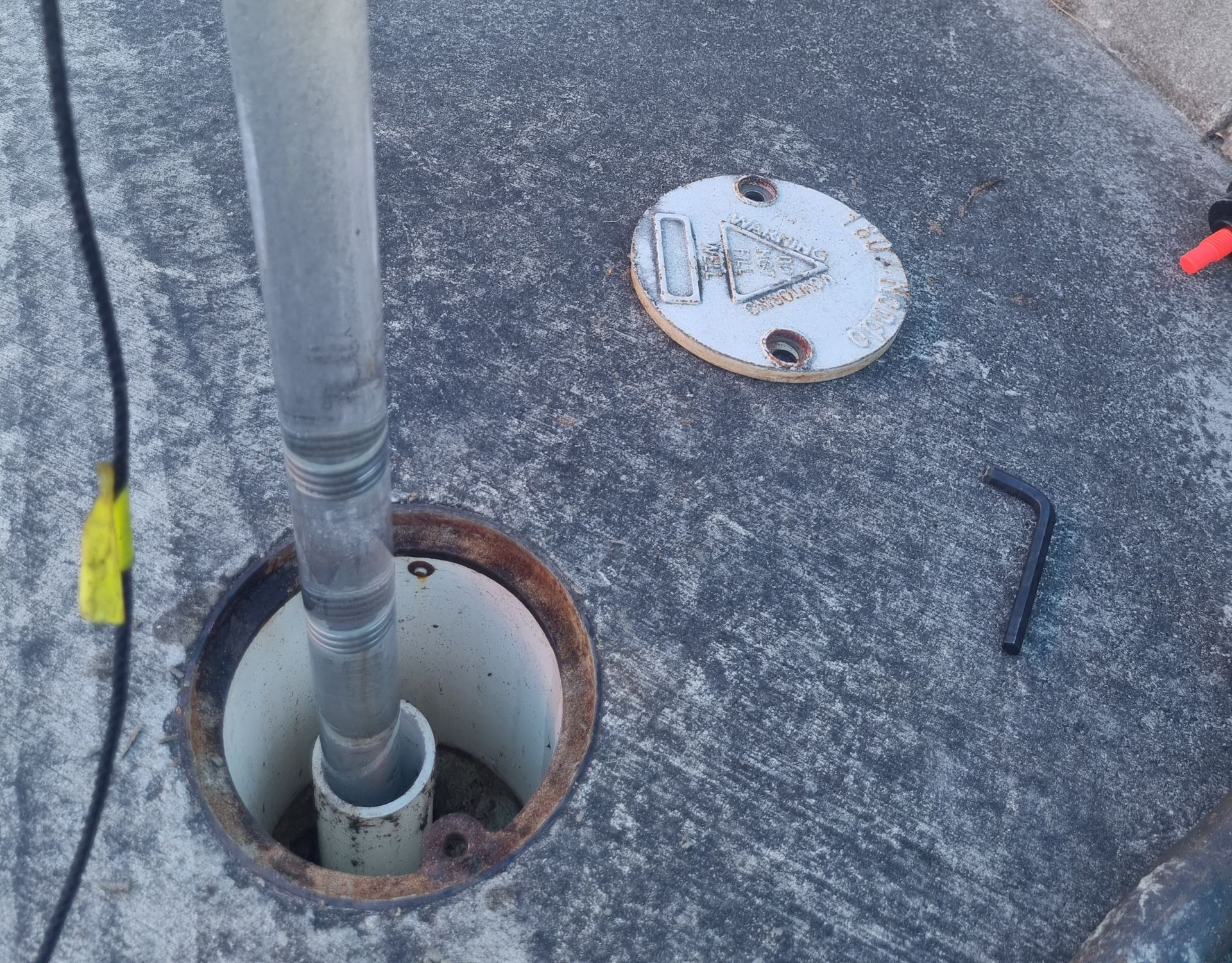
Fuel storage is the foundation of good fuel management.
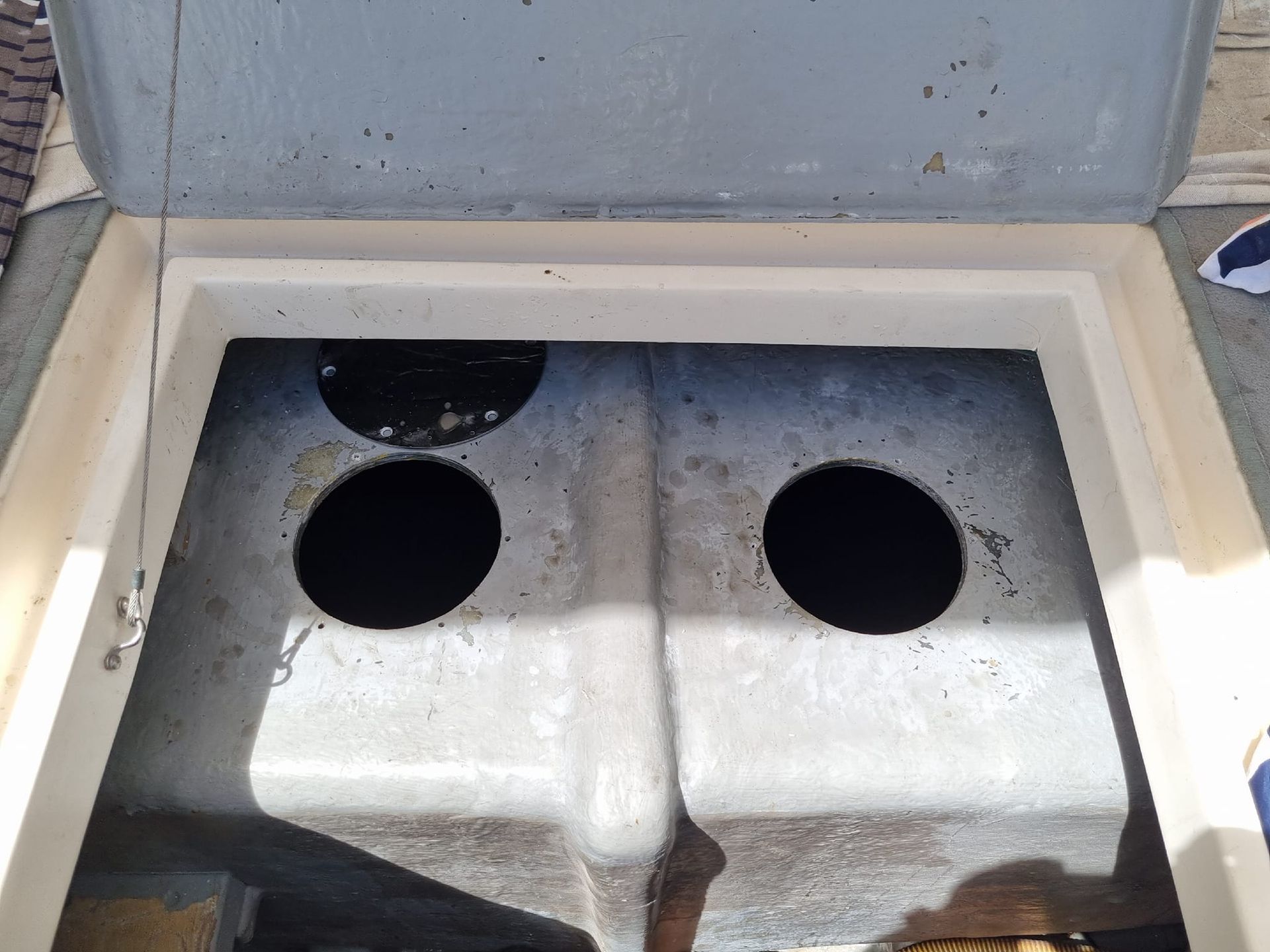
Inspect tanks for:
- Water accumulation
- Sludge build-up
- Corrosion
- Damaged seals
- Leaks
- Vent condition
Small storage issues often become major contamination problems if left untreated.
Monitor fuel quality
Do not assume fuel is clean because it looks clear.
Routine fuel sampling and testing help identify:
- Water contamination
- Sediment
- Fuel degradation
- Microbial contamination (diesel bug)
Regular testing lets you correct problems before they affect equipment.
Remove water from storage tanks
Water is one of the leading causes of fuel contamination.
Regularly inspect and remove accumulated water to reduce the risk of:
- Diesel bug
- Corrosion
- Fuel degradation
- Blocked filters
Removing water early protects the entire fuel system.
Keep fuel storage areas clean
Dust and debris are common challenges on mining and construction sites.
Reduce contamination by:
- Keeping fill points clean
- Protecting fuel hoses
- Sealing storage areas where practical
- Cleaning around fuel tanks regularly
A cleaner storage environment helps maintain cleaner fuel.
Inspect fuel transfer equipment
Contamination does not always begin inside the tank.
Inspect:
- Fuel pumps
- Transfer hoses
- Nozzles
- Filters
- Connections
Damaged or dirty equipment can introduce contaminants during every refuelling.
Replace fuel filters as scheduled
Fuel filters protect expensive engine components.
Waiting until filters become blocked increases the risk of:
- Reduced fuel flow
- Poor engine performance
- Injector damage
Routine replacement is a simple preventative measure that supports reliable equipment performance.
Monitor fuel usage
Fuel monitoring provides valuable insight into site operations.
Track:
- Fuel consumption
- Refuelling activity
- Fuel deliveries
- Vehicle usage
- Unusual fuel losses
Unexpected changes often highlight problems before they become expensive.
Rotate stored fuel
Diesel should not remain in storage longer than necessary.
Older fuel becomes more vulnerable to:
- Oxidation
- Water contamination
- Microbial growth
- Fuel degradation
Maintaining healthy fuel turnover supports better fuel quality.
Train operators on fuel handling
Even the best fuel management system depends on good operational practices.
Ensure staff understand:
- Safe refuelling procedures
- Contamination risks
- Proper storage practices
- Reporting fuel-related issues
Consistent procedures help reduce preventable mistakes.
Schedule preventative maintenance
Fuel management should be part of every preventative maintenance program.
Include:
- Tank inspections
- Fuel sampling
- Filter replacement
- Fuel quality testing
- Storage system servicing
Routine maintenance costs significantly less than emergency repairs.
Warning signs your fuel management needs attention
Fuel-related problems often develop gradually.
Watch for:
- Frequent fuel filter blockages
- Hard starting equipment
- Increased fuel consumption
- Reduced engine performance
- More equipment breakdowns
- Visible water or sludge in tanks
- Rising maintenance costs
These signs often indicate contamination or poor fuel management practices.
Good vs bad on-site fuel management
Reactive Approach
- Waiting until equipment fails
- Ignoring water contamination
- Delaying inspections
- Replacing parts after breakdowns
- Minimal fuel monitoring
Result:
Higher operating costs, more downtime, and expensive repairs.
Proactive approach
- Routine fuel sampling
- Regular tank inspections
- Fuel quality testing
- Preventative maintenance
- Continuous fuel monitoring
Result:
Cleaner fuel, reliable equipment, and improved operational efficiency.
Quick tips you can apply immediately
If you manage fuel on a mine or construction site, start with these practical actions:
- Inspect storage tanks this week
- Check for water accumulation
- Review when fuel was last tested
- Replace overdue fuel filters
- Investigate recurring fuel-related maintenance issues
- Review fuel monitoring records for unusual trends
Small improvements made consistently help prevent major operational disruptions.
Why fuel management protects more than your equipment
Fuel is one of the most valuable operational assets on any worksite.
Poor fuel management affects far more than engines.
It impacts productivity, maintenance budgets, project timelines, and operational reliability.
Businesses that prioritise preventative fuel management often experience fewer breakdowns, lower operating costs, and more dependable equipment performance.
A well-managed fuel system supports the entire operation.
Fuel management is not simply about storing diesel.
It is about protecting every piece of equipment that depends on it. Routine inspections, fuel quality testing, preventative maintenance, and consistent monitoring all work together to reduce contamination, improve reliability, and minimise downtime.
The businesses that experience the fewest fuel-related disruptions are usually the ones following a consistent fuel management process long before problems appear.
The goal is simple:
Follow a preventative fuel management checklist, and your site will benefit from cleaner fuel, more reliable equipment and fewer costly interruptions.