What is a common rail diesel engine?
A common rail diesel engine uses a high-pressure fuel delivery system that supplies fuel to electronically controlled injectors.
Unlike older diesel engines, common rail systems inject fuel at extremely high pressures to achieve:
- Better fuel efficiency
- Lower emissions
- Improved engine performance
- Quieter operation
- More precise fuel delivery
Because these systems rely on precision components, they require exceptionally clean fuel to operate correctly.
Why modern common rail engines are more vulnerable
Older diesel engines were generally more tolerant of minor fuel contamination.
Modern common rail systems are different.
Fuel is delivered at extremely high pressure through injectors with microscopic internal clearances.
Even contaminants that are difficult to see can interfere with normal operation.
This includes:
- Water
- Dirt
- Sediment
- Rust particles
- Microbial contamination (diesel bug)
- Fuel degradation
The smaller the contamination, the greater the potential for damage.
How contaminated diesel fuel damages common rail engines
Fuel contamination affects far more than engine performance.
It can damage some of the most expensive components in the fuel system.
1. Injector damage
Fuel injectors are among the most sensitive components in a common rail system.
Contaminants can:
- Scratch injector surfaces
- Block injector nozzles
- Affect spray patterns
- Reduce fuel atomisation
Over time, this can lead to poor combustion, reduced efficiency, and costly injector replacement.
2. High-pressure fuel pump wear
The high-pressure fuel pump depends on clean diesel for lubrication.
Water contamination and abrasive particles increase internal wear.
If the pump begins to fail, metal particles can spread throughout the fuel system, creating even greater damage.
3. Reduced engine performance
Contaminated fuel often causes:
- Hard starting
- Rough idling
- Reduced power
- Poor acceleration
- Increased fuel consumption
These symptoms usually worsen as contamination continues.
4. Blocked fuel filters
Fuel filters are designed to capture contaminants before they reach sensitive engine components.
If contamination becomes excessive, filters block more quickly.
Restricted fuel flow can reduce engine performance and eventually stop equipment from operating altogether.
5. Corrosion inside the fuel system
Water contamination can cause corrosion throughout the fuel system.
Corrosion damages:
- Fuel pumps
- Injectors
- Fuel rails
- Internal fuel lines
Repair costs increase significantly once corrosion develops.
Warning signs of contaminated diesel fuel
Many fuel problems develop gradually.
Watch for signs such as:
- Frequent fuel filter blockages
- Hard starting engines
- Rough idling
- Reduced engine power
- Increased fuel consumption
- Engine warning lights
- Excessive smoke
- Poor overall performance
Early investigation can prevent much more expensive repairs.
Step-by-step: How to protect your common rail diesel engine
Protecting a modern diesel engine starts with protecting the fuel that enters it.
Step 1: Store diesel correctly
Fuel quality begins with proper storage.
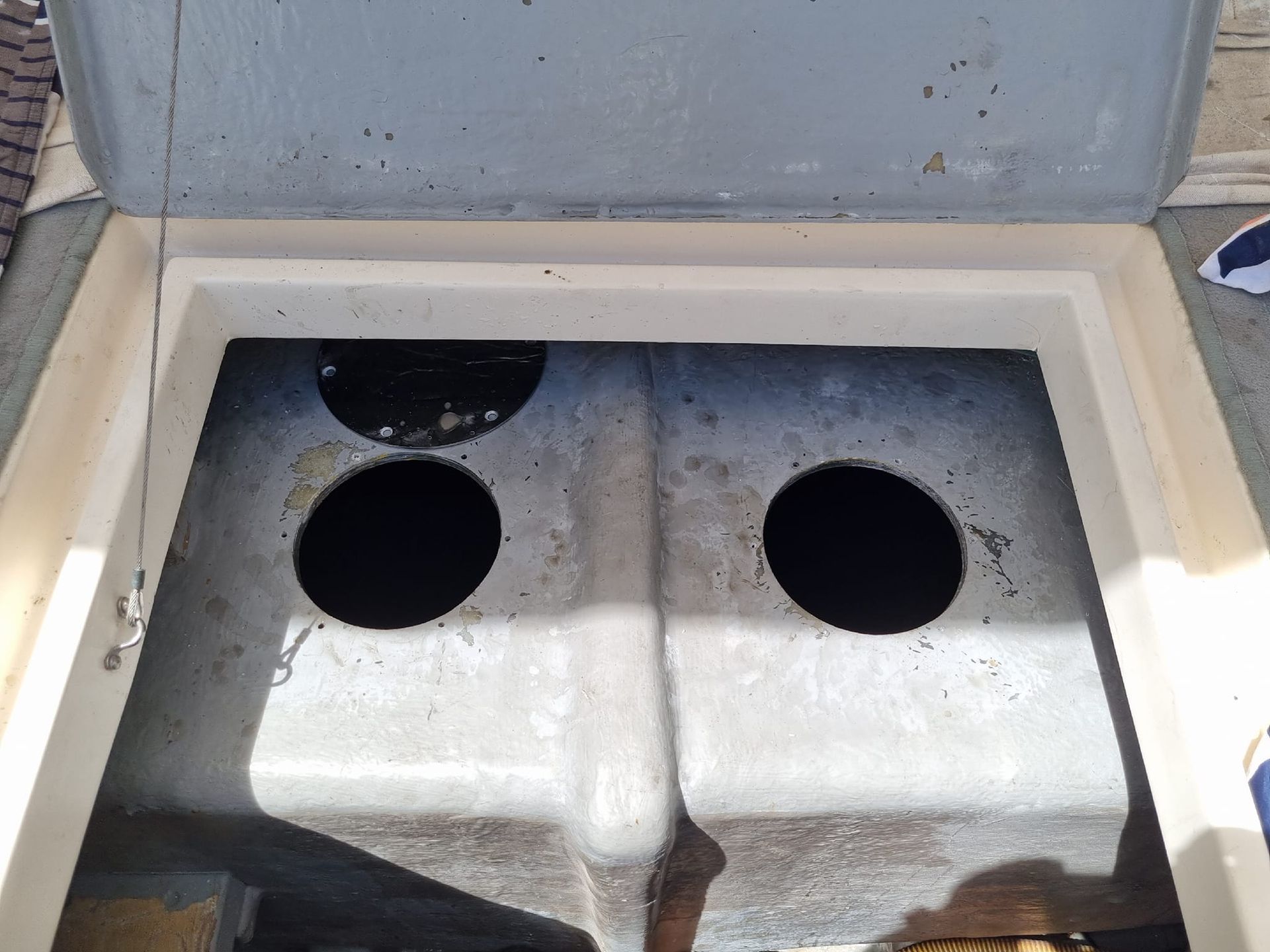
Regularly inspect storage tanks for:
- Water
- Sludge
- Corrosion
- Damaged seals
Clean storage helps keep contaminants out of the fuel system.
Step 2: Test fuel quality regularly
Routine fuel sampling can detect problems before equipment is affected.
Testing can identify:
- Water contamination
- Sediment
- Fuel degradation
- Microbial activity
Early detection reduces the risk of expensive component damage.
Step 3: Remove water promptly
Water is one of the biggest threats to common rail fuel systems.
If water is detected, remove it immediately to reduce the risk of corrosion and microbial growth.
Step 4: Replace fuel filters on schedule
Fuel filters are the first line of defence against contamination.
Replacing them before they become blocked helps protect injectors and fuel pumps.
Step 5: Include fuel management in preventative maintenance
Routine fuel management should include:
- Tank inspections
- Fuel sampling
- Fuel quality testing
- Fuel tank servicing
- Filter replacement
Preventative maintenance protects both fuel quality and engine performance.
Quick tips you can apply immediately
If your business operates common rail diesel equipment:
- Inspect fuel storage tanks regularly
- Test diesel quality throughout the year
- Remove water before contamination develops
- Replace fuel filters on schedule
- Investigate recurring engine performance issues early
Preventing contamination is far more affordable than replacing injectors or fuel pumps.
Why clean fuel is essential for modern diesel engines
Modern common rail engines deliver exceptional performance because of their precision engineering.
That same precision makes them more vulnerable to contaminated fuel.
Businesses that prioritise fuel quality experience fewer injector failures, lower maintenance costs and greater equipment reliability.
Protecting your engine starts long before fuel reaches the injector.
It starts with proper fuel management.
Modern common rail diesel engines depend on exceptionally clean fuel to operate reliably.
Even small amounts of water, dirt or microbial contamination can damage injectors, fuel pumps, and other critical components.
Routine fuel quality testing, preventative maintenance, and proper fuel storage are the most effective ways to protect your equipment and avoid costly repairs.
The goal is simple:
Protect your fuel first, and your common rail diesel engine will deliver reliable performance for years to come.