Clean fuel is critical in any industry, but offshore the stakes are significantly higher. When fuel quality fails at sea, there is no quick fix, no roadside assistance and often no margin for error. For boats and commercial vessels, marine fuel tank cleaning is a vital part of operational safety, reliability and compliance.
Marine environments accelerate fuel contamination. Moisture exposure, long storage periods and variable fuel quality create conditions where sludge, water and microbial growth can develop unnoticed. Without regular inspection and professional cleaning, fuel tanks can quickly become a hidden risk.
Why Marine Fuel Systems Are More Vulnerable
Marine fuel systems face challenges that land-based fleets rarely encounter.
Salt air, high humidity and constant temperature fluctuations cause condensation inside fuel tanks. This water settles at the bottom of the tank, where it creates the ideal environment for contamination. Diesel systems are particularly vulnerable, but petrol tanks are not immune.
Common contributing factors include:
- Long periods of low fuel turnover
- Infrequent inspections
- Fuel sitting through seasonal downtime
- Exposure to humid and coastal conditions
- Variable fuel quality at marinas and ports
Over time, even well-maintained vessels can experience fuel degradation without obvious warning signs until problems arise underway.
Common Marine Fuel Tank Contamination Issues
Water Contamination
Water is the most common contaminant in marine fuel tanks. Condensation forms as tanks cool overnight and warm during the day, especially in partially filled tanks.
Water leads to corrosion, filter blockages and, in diesel systems, microbial growth.
Microbial Growth in Marine Diesel
Marine diesel fuel tanks are highly susceptible to microbial contamination, often referred to as diesel bug. Microorganisms live at the interface between fuel and water, producing thick sludge and acidic by-products.
This sludge can rapidly clog filters, restrict fuel flow and damage injectors, often without warning.
Sludge and Sediment Build-Up
As fuel ages, it oxidises and degrades, forming sludge that settles at the bottom of tanks. Sediment from corrosion, dirt and organic matter further increases contamination levels.
Rough seas can stir up this sludge, drawing it into the fuel system at the worst possible time.
Fuel Degradation
Marine fuel is often stored for extended periods, especially in seasonal or standby vessels. Over time, petrol and diesel degrade, creating gums and varnish that coat internal tank surfaces and fuel lines.
The Risks of Contaminated Fuel Offshore
F
uel contamination offshore is more than an inconvenience. It is a serious safety risk.
Potential consequences include:
- Engine failure at sea
- Loss of propulsion in hazardous conditions
- Increased fire risk in petrol systems
- Damage to high-pressure injection components
- Emergency call-outs and costly recovery operations
For commercial vessels, fuel contamination can also lead to missed schedules, regulatory scrutiny and reputational damage.
Clean fuel is not just about performance. It is about ensuring vessels can operate safely, predictably and compliantly.
Marine Fuel Tank Cleaning vs Land-Based Cleaning
Marine fuel tank cleaning requires specialised procedures and safety controls that differ from land-based tank cleaning.
Key differences include:
- Confined space entry in marine environments
- Increased vapour management requirements
- Explosion risk in petrol systems
- Marine-grade waste handling and disposal
- Working around vessel structures and stability considerations
Because of these factors, marine fuel tank cleaning should only be performed by trained professionals using intrinsically safe equipment and compliant processes.
Safety Standards in Marine Fuel Tank Cleaning
Safety is paramount when cleaning fuel tanks on vessels.
Professional marine fuel tank cleaning adheres to strict safety standards, including:
- Confined space entry procedures
- Gas and vapour monitoring
- Intrinsically safe tools and lighting
- Ignition source control
- Spill prevention and environmental protection
- Compliance with marine safety regulations
These controls protect not only personnel but also the vessel, surrounding waters and port facilities.
Diesel vs Petrol Marine Tank Cleaning
Marine Diesel Fuel Tank Cleaning
Diesel tank cleaning focuses on removing:
- Water from the tank base
- Microbial sludge and biofilm
- Sediment and corrosion particles
In many cases, diesel fuel can be filtered and polished during cleaning, allowing usable fuel to be retained rather than disposed of.
Boat Petrol Tank Cleaning
Petrol systems require heightened vapour control due to flammability risks. Cleaning focuses on:
- Removing degraded fuel residues
- Clearing sediment and particulates
- Managing vapours safely throughout the process
Each fuel type requires a tailored approach to ensure safety and effectiveness.
When Should Marine Fuel Tanks Be Cleaned?
There is no universal schedule, but common indicators include:
- Repeated fuel filter blockages
- Water detected during inspections
- Engine hesitation or power loss
- Unusual fuel odours
- Sludge visible in tank inspections
- Long periods of fuel storage
As a general guide, many marine operators benefit from inspection every 12 months and cleaning every 12 to 36 months, depending on usage and conditions.
How DHM Fuel Solutions Supports Marine Vessels
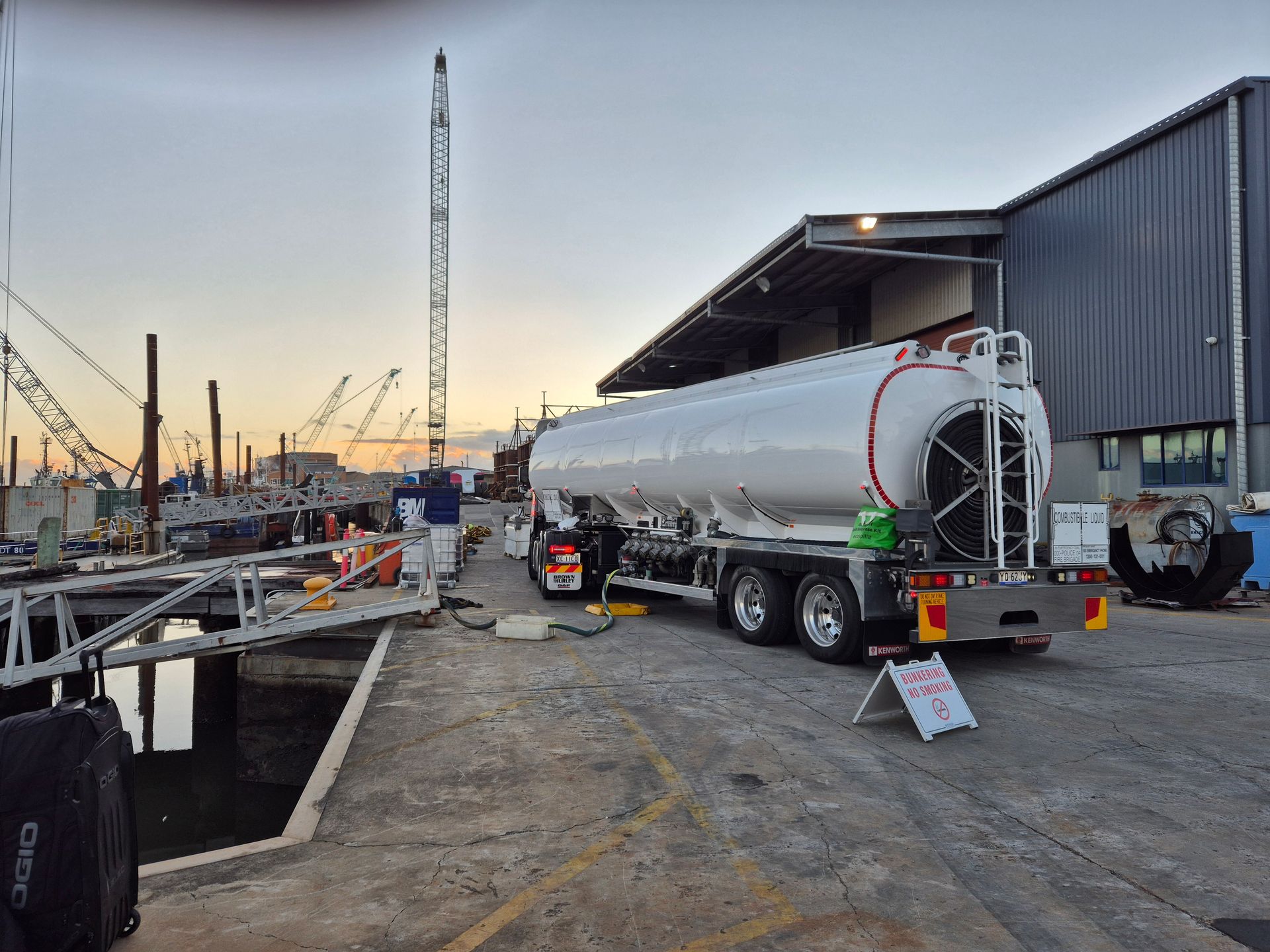
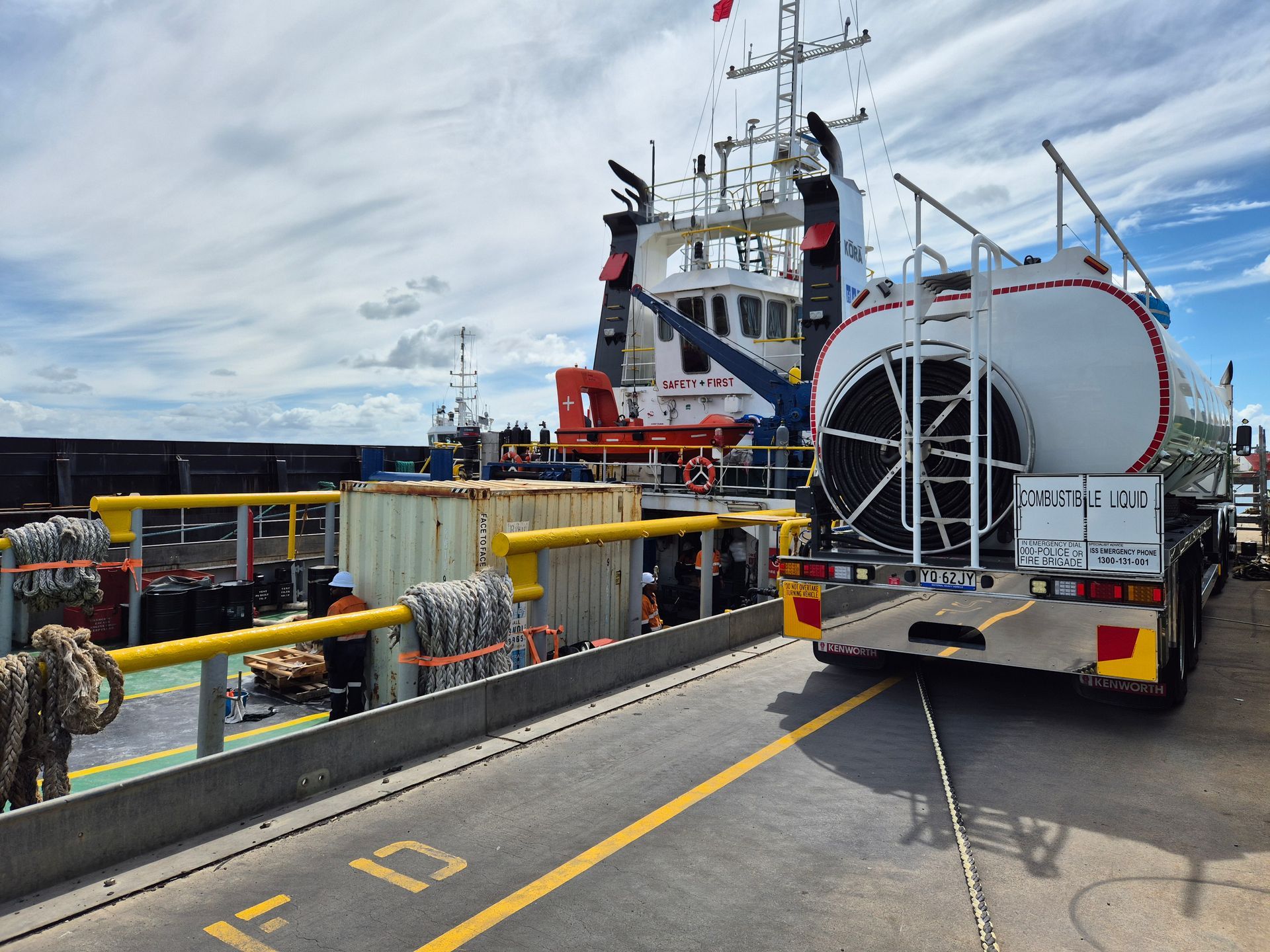
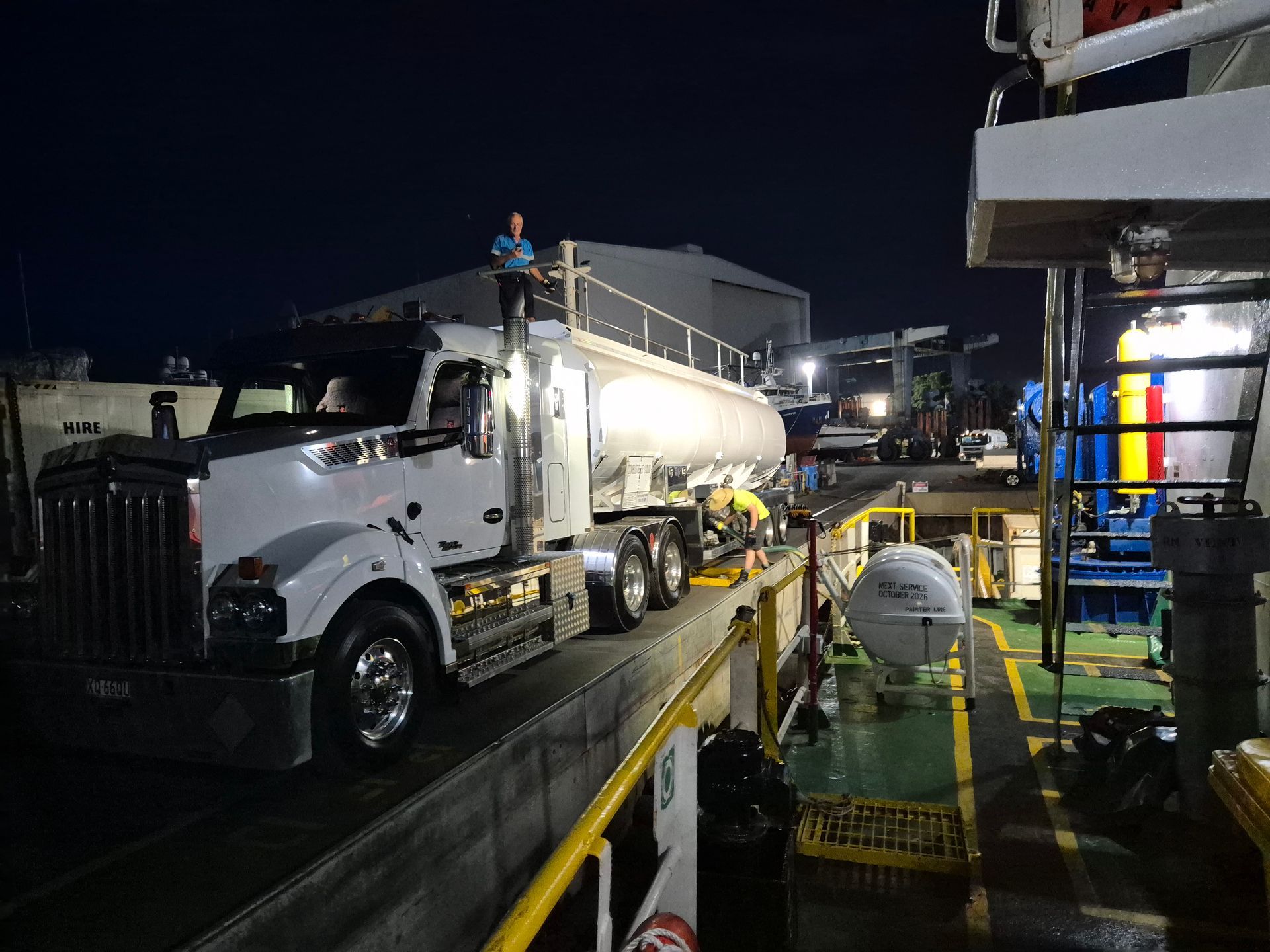
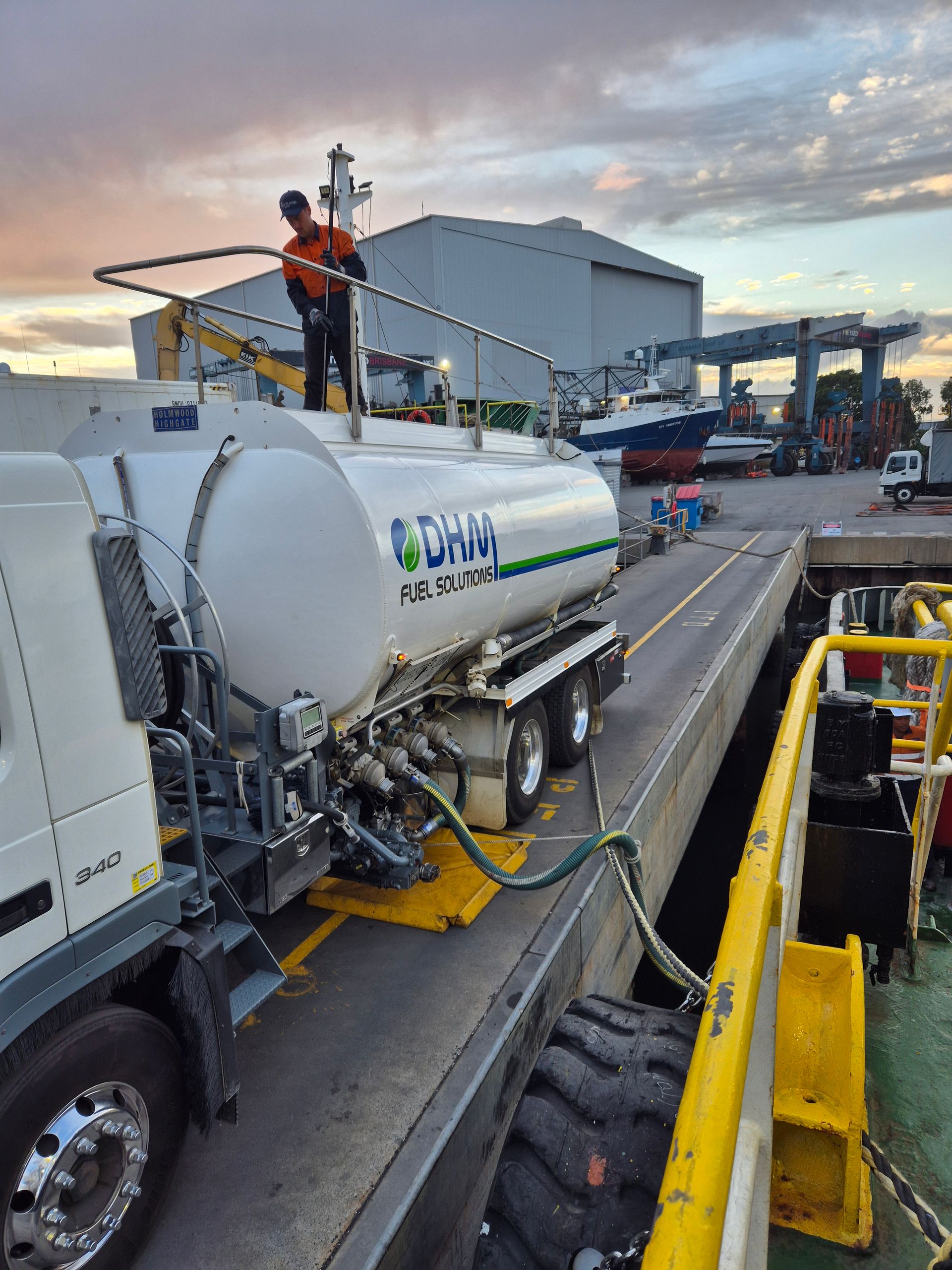
DHM provides specialist marine fuel tank cleaning services for commercial vessels, workboats and marine fleets operating in demanding environments.
Each service is tailored based on:
- Vessel type and fuel system configuration
- Fuel type and storage volume
- Operational criticality
- Environmental exposure and risk
DHM’s approach prioritises safety, fuel quality restoration and long-term reliability, helping vessel operators reduce risk and avoid fuel-related failures offshore.
Why Proactive Cleaning Matters at Sea
Marine fuel contamination often develops silently. By the time symptoms appear, the vessel may already be at risk.
Proactive marine fuel tank cleaning helps:
- Prevent breakdowns offshore
- Extend engine and injector life
- Reduce emergency call-outs
- Improve safety and compliance
- Protect high-value marine assets
For vessels operating beyond immediate assistance, clean fuel is a non-negotiable requirement.