Why seasonal downtime affects fuel quality
Fuel performs best when it is being used regularly.
When fuel sits untouched for long periods, several things begin to happen:
- Moisture builds up
- Contamination risks increase
- Fuel becomes unstable
- Sediment settles in tanks
- Microbial growth becomes more likely
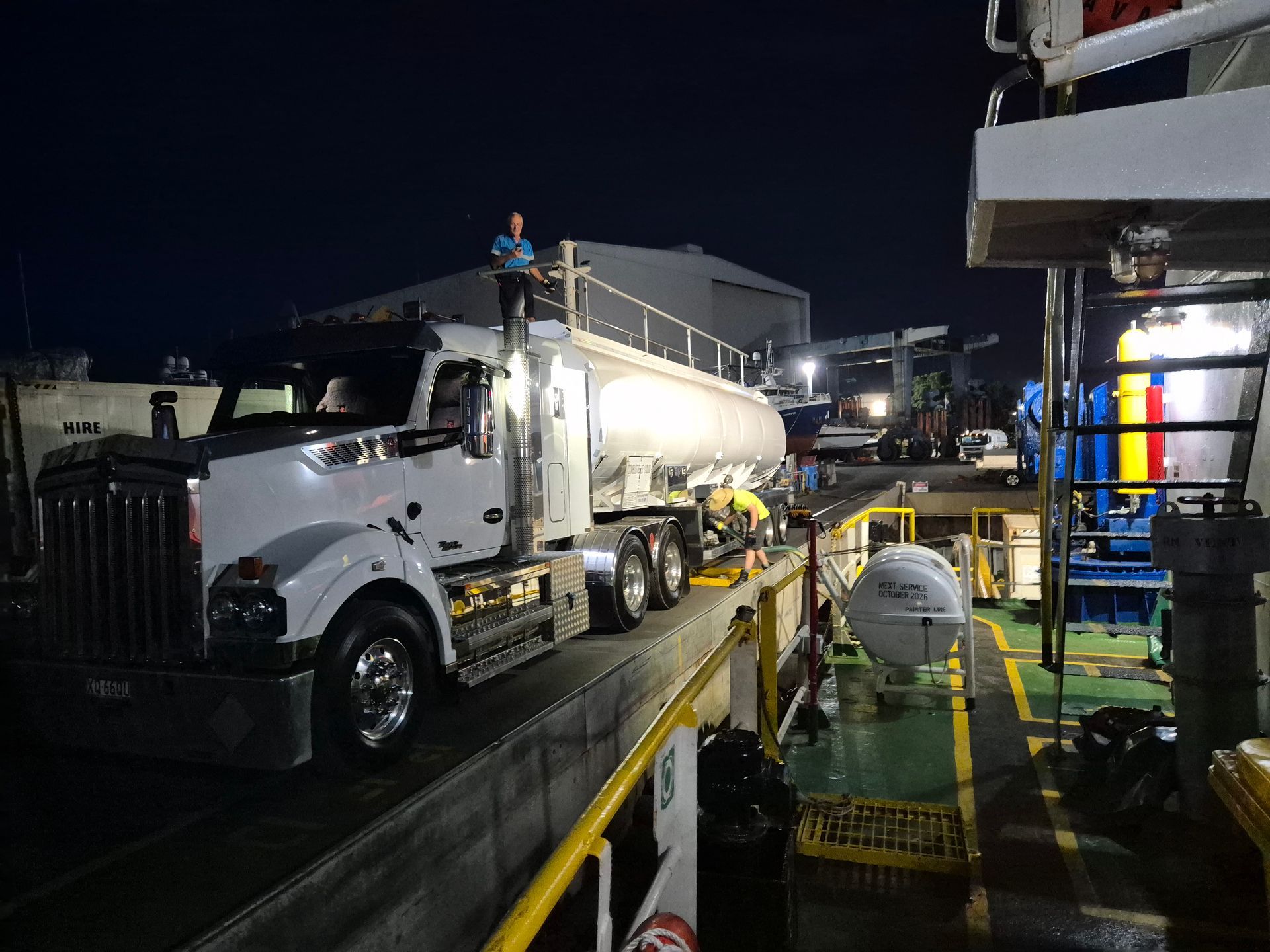
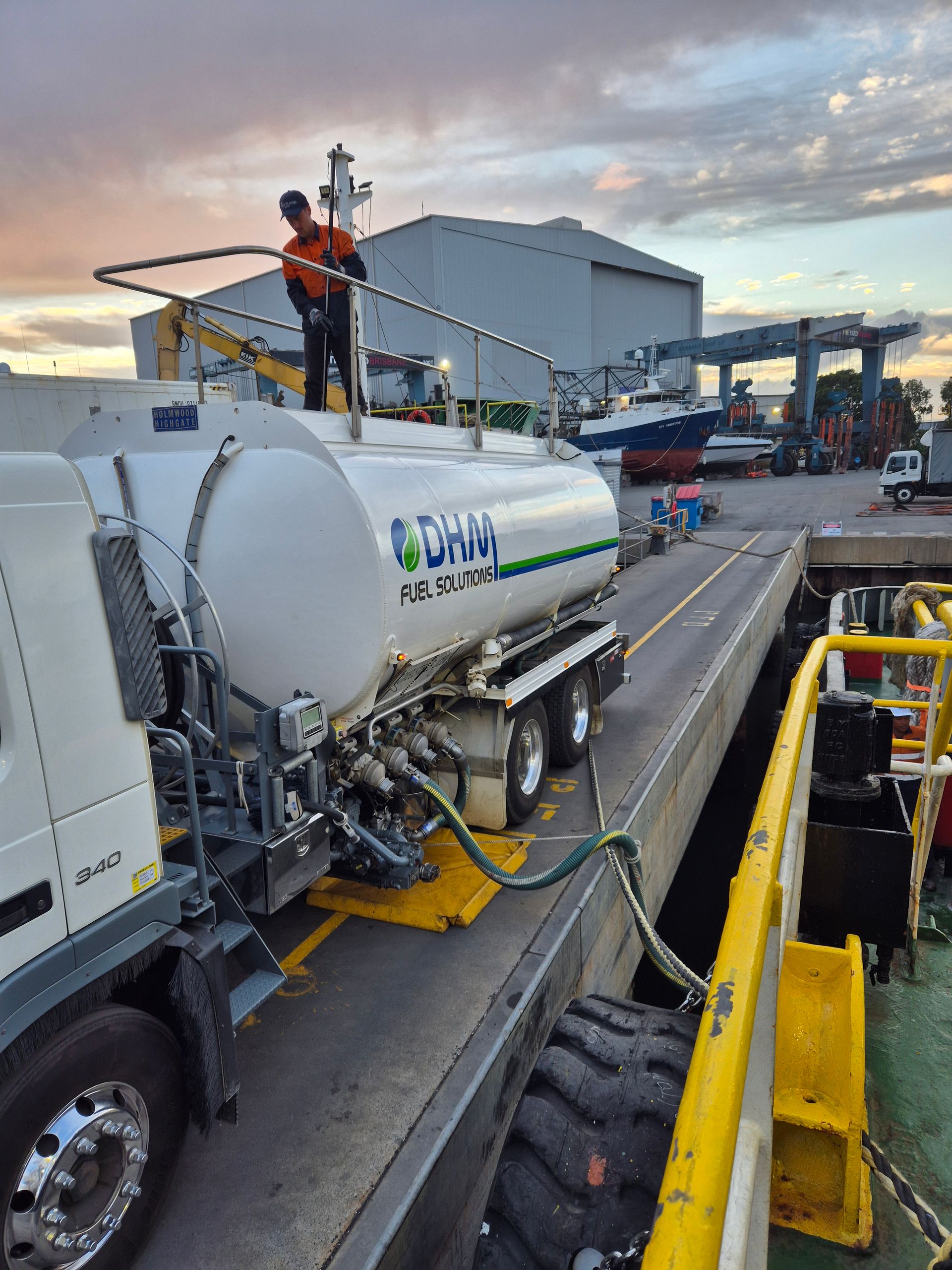
For marine and fleet operations, these risks can increase significantly because fuel often sits in storage tanks, vessels, or parked equipment for extended periods.
And once fuel quality drops, restarting operations becomes more complicated.
What happens to fuel during long idle periods?
Let’s break down what actually happens when fuel sits too long.
1. Water contamination becomes more likely
This is one of the biggest issues during seasonal downtime.
As temperatures change between warmer days and cooler nights, condensation forms inside tanks.
That moisture turns into water.
Over time, water collects at the bottom of tanks and creates ideal conditions for:
- Corrosion
- Fuel contamination
- Microbial growth
- Reduced fuel performance
Marine operations are particularly vulnerable due to humid environments and moisture exposure.
2. Fuel degradation speeds up
Fuel is not designed to sit unused indefinitely. Over time, diesel begins to degrade through oxidation.
This can lead to:
- Reduced fuel quality
- Thickening fuel
- Sediment formation
- Poor combustion performance
When equipment returns to service, degraded fuel can affect engine reliability and efficiency.
3. Microbial growth becomes a serious risk
Water contamination creates another major issue:
microbial contamination, often called diesel bug.
Bacteria and fungi thrive where water and fuel meet.
Once microbial growth begins, it can:
- Block fuel filters
- Produce sludge
- Damage fuel systems
- Reduce equipment reliability
And because the issue develops slowly, many operators do not notice until operations restart.
4. Sediment settles and builds up
Fuel tanks naturally collect particles over time.
When fuel remains still for long periods, sediment settles at the bottom of tanks instead of being filtered through normal use.
The result:
- Dirty fuel systems
- Increased filter blockages
- Reduced engine performance
- Greater maintenance needs
If tanks are not checked before restarting operations, those contaminants can move through the entire fuel system.
Why marine and fleet operations face greater risk
Not every operation experiences seasonal downtime the same way.
Marine operations
Marine vessels often sit unused during slower seasons or maintenance periods.
Humidity and salt exposure increase contamination risks, making fuel quality management especially important.
Fleet operations
Some fleet vehicles experience reduced use during quieter business periods.
When vehicles remain parked for weeks or months, fuel stability declines, and maintenance risks increase.
In both cases, restarting equipment without checking fuel quality can create avoidable problems.
Signs your fuel quality may have declined during downtime
Before restarting operations, look for warning signs like:
- Hard starting engines
- Sluggish performance
- Fuel filter blockages
- Darkened or cloudy fuel
- Increased smoke or rough running
If fuel has been sitting for an extended period, it is worth checking before putting equipment back into heavy use.
Step-by-step: How to protect fuel quality during seasonal downtime
The good news is that protecting stored fuel is not complicated. A few preventative steps can significantly reduce risk.
Step 1: Keep tanks as full as possible
A fuller tank reduces empty air space. Less air means less condensation and lower water contamination risk.
This is particularly important for marine vessels exposed to changing temperatures and humidity.
Step 2: Inspect tanks before storage
Before seasonal downtime begins:
Check for:
- Existing water contamination
- Sludge build-up
- Tank cleanliness
- Fuel condition
Starting with clean fuel lowers the chance of bigger problems later.
Step 3: Monitor fuel quality regularly
Do not wait until operations restart.
Routine fuel testing during downtime helps identify:
- Water contamination
- Fuel degradation
- Microbial growth
- Sediment build-up
Early action is far easier than emergency fixes later.
Step 4: Maintain fuel tanks properly
Storage systems matter.
Inspect:
- Tank seals
- Ventilation systems
- Drainage points
- Water collection areas
Poor storage conditions accelerate contamination.
Step 5: Test fuel before restarting operations
Before bringing vessels or fleets back online:
- Inspect fuel condition
- Check filters
- Look for contamination signs
- Replace damaged components if needed
This helps avoid disruptions when operations resume.
Good vs bad seasonal fuel management
Reactive Approach
- Leaving fuel unchecked during downtime
- Ignoring contamination risks
- Restarting equipment without inspection
Result:
Blocked filters, unreliable performance, costly downtime.
Proactive approach
- Monitoring fuel during storage
- Preventative inspections
- Fuel testing before restart
Result:
Reliable performance, fewer surprises, and smoother operations.
Quick tips you can apply immediately
- Review which vessels or vehicles are sitting idle longest
- Check tank levels before downtime starts
- Inspect for visible water or sludge
- Schedule fuel testing before restarting operations
Small actions now can prevent major issues later.
Why preventative fuel management matters
Seasonal downtime is unavoidable for many marine and fleet operations. Fuel problems do not have to be.
The businesses that experience fewer disruptions are usually the ones treating fuel as part of operational planning, not an afterthought.
Because when fuel quality drops, everything connected to it suffers too.
Fuel quality changes during seasonal downtime, even when equipment is not moving.
For marine and fleet operations, long periods of inactivity can increase the risk of:
- Water contamination
- Fuel degradation
- Diesel bug growth
- Filter blockages
- Reduced reliability
The good news is that most issues are preventable with the right maintenance and monitoring.
The goal is simple:
Protect fuel quality while operations pause, so everything runs properly when work starts again.