At first glance, it might not seem urgent, after all, if the engines are running, the fuel must be fine, right?
But beneath the surface, unseen contaminants could be quietly eating away at your system’s reliability, efficiency, and even compliance.
At DHM Fuel Solutions, we’ve seen it all, from tanks choked with sludge to boats sidelined by microbial contamination that could have been easily prevented.
Whether you operate a marine vessel, manage a construction site, or maintain a commercial fuel facility, regular tank cleaning isn’t just good practice, it’s a financial safeguard.
The Hidden Enemies in Your Fuel Tank
Fuel tanks are environments that, over time, naturally accumulate contaminants. The biggest culprits include:
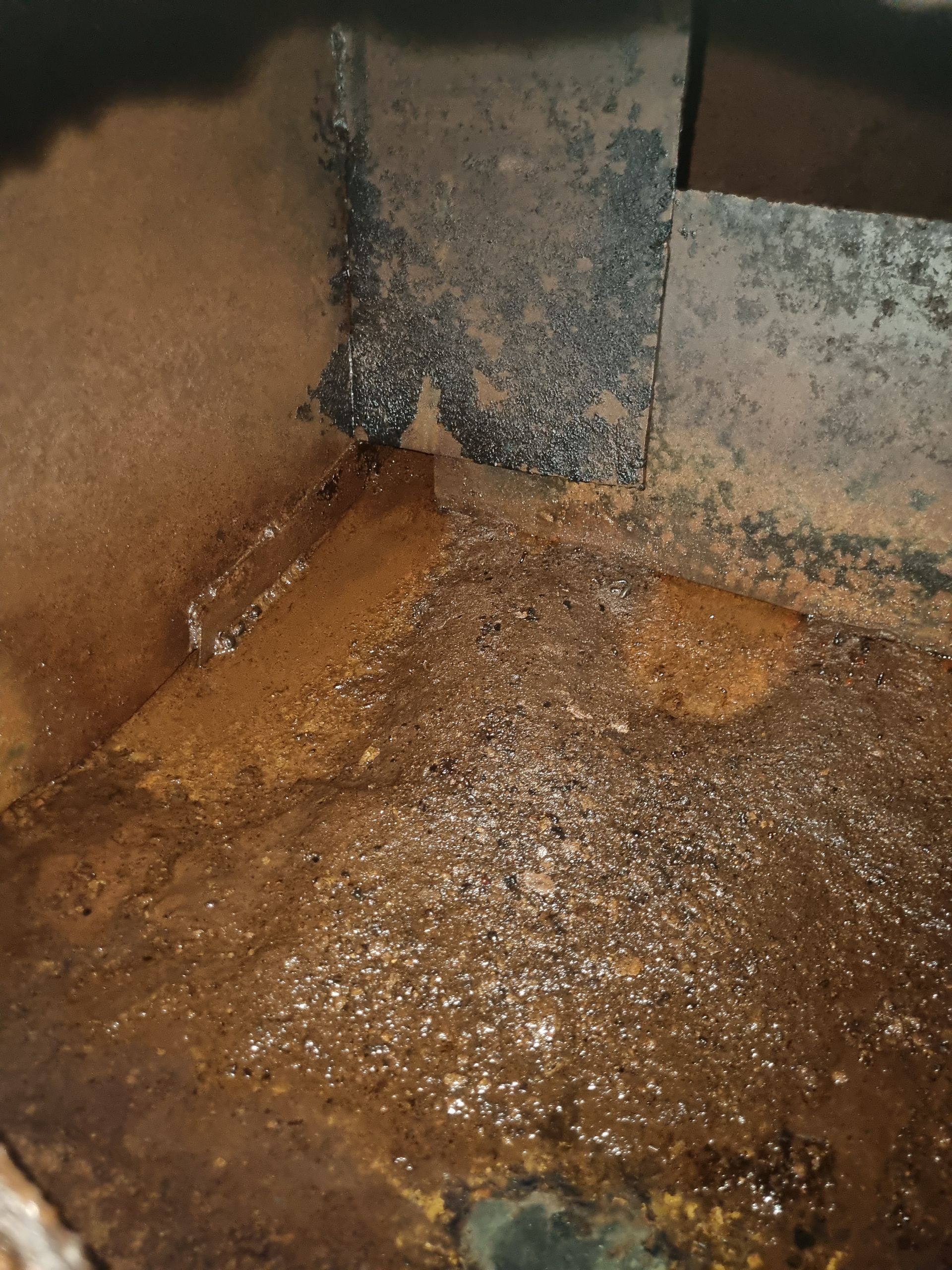
- Water – Condensation builds up inside tanks as temperatures change. Water is heavier than fuel and sinks to the bottom, becoming a breeding ground for bacteria.
- Sludge and Sediment – Over months or years, particles, rust, and dirt settle and compact into sludge.
- Microbial Growth – When water and diesel mix, microorganisms flourish — forming “diesel bug” colonies that clog filters and corrode metal surfaces.
Left unchecked, these contaminants degrade fuel quality and shorten the lifespan of engines and fuel systems. You might not notice the impact immediately, but small issues — like filters clogging more often or engines smoking under load — are early signs of trouble brewing below the surface.
Real-World Consequences of Neglect
We once inspected a 43-foot Mariner vessel that had recently been fitted with new engines. The owner couldn’t understand why the performance was sluggish. When we opened the tank, we found over 30 mm of compacted sludge at the bottom. Despite having clean diesel in the tank, the fuel pickup system was drawing in a toxic mix of waste and debris.
This kind of buildup doesn’t just affect boats, it’s common in commercial and industrial tanks, too. Heavy vehicles, generators, and fuel farms all suffer when contamination goes unchecked. A clogged filter or injector can mean sudden downtime, costly repairs, and operational delays, often at the worst possible moment.
The Cost of Doing Nothing
Skipping tank cleaning might feel like saving money now, but the reality is the opposite.
Consider the long-term costs:
- Equipment Damage – Contaminants wear down injectors, pumps, and filters, leading to expensive replacements.
- Fuel Waste – Degraded fuel burns inefficiently, increasing consumption and emissions.
- Downtime – Each hour of lost operation due to fuel system failure translates directly to lost revenue.
- Compliance Risks – Contaminated fuel systems can result in non-compliance with environmental or safety standards, especially at commercial fuel sites.
Routine tank cleaning, by contrast, is predictable, budget-friendly, and quick. Most jobs can be completed with minimal downtime — especially with professional teams equipped for confined-space entry, atmospheric testing, and waste disposal.
What Proper Tank Cleaning Involves
A professional tank clean isn’t just a quick rinse. At DHM Fuel Solutions, we follow a comprehensive, step-by-step process:
- Inspection & Testing – We assess the tank’s condition and take samples to determine contamination levels.
- Waste Pump-Out – All old fuel, water, and sludge are safely removed for compliant disposal.
- Cleaning & Degassing – Tanks are physically cleaned, flushed, and degassed for safety and performance.
- Filtration & Polishing – Recoverable fuel is filtered and polished to remove water and particles down to micron levels.
- Verification & Certification – Cleanliness and fuel quality are verified through testing, and documentation is provided for compliance records.
By combining cleaning with filtration and polishing, we often save clients thousands by restoring their existing fuel rather than discarding it.
When Should You Schedule a Cleaning?
Different environments have different cleaning intervals, but as a general rule:
- Marine Vessels: Every 12–24 months or after extended storage periods.
- Commercial Tanks: Every 2–3 years, depending on throughput and environmental exposure.
- Backup Generators: Every 18 months, since stagnant fuel deteriorates faster.
However, if you notice increased filter changes, visible water, or irregular engine performance, it’s time to act immediately.
Preventive Maintenance Pays Off
Think of tank cleaning as an insurance policy for your equipment. You wouldn’t run an engine without changing the oil and your fuel system deserves the same level of care. Regular cleaning extends the lifespan of your assets, ensures efficient combustion, and reduces the risk of emergency repairs.
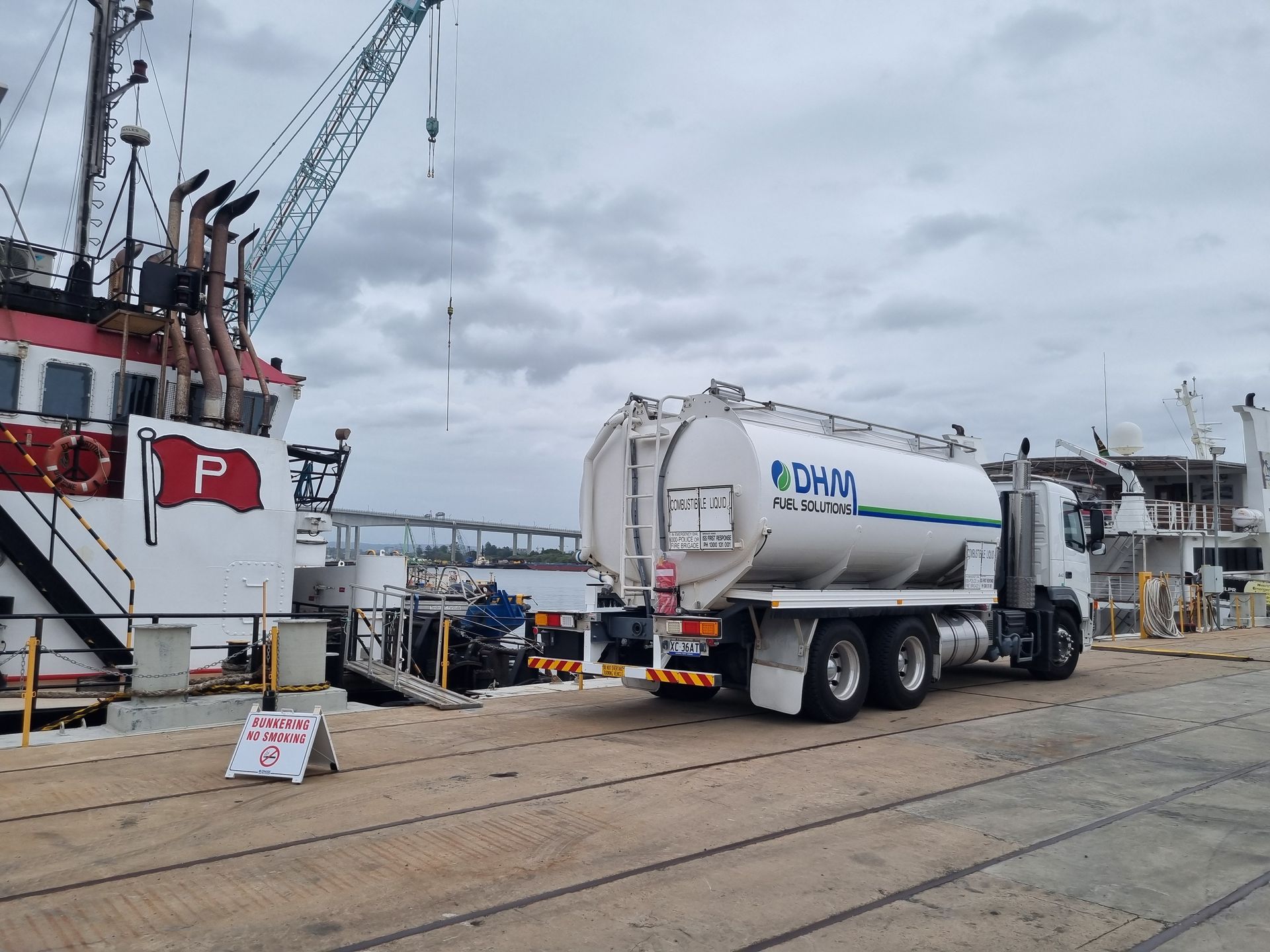
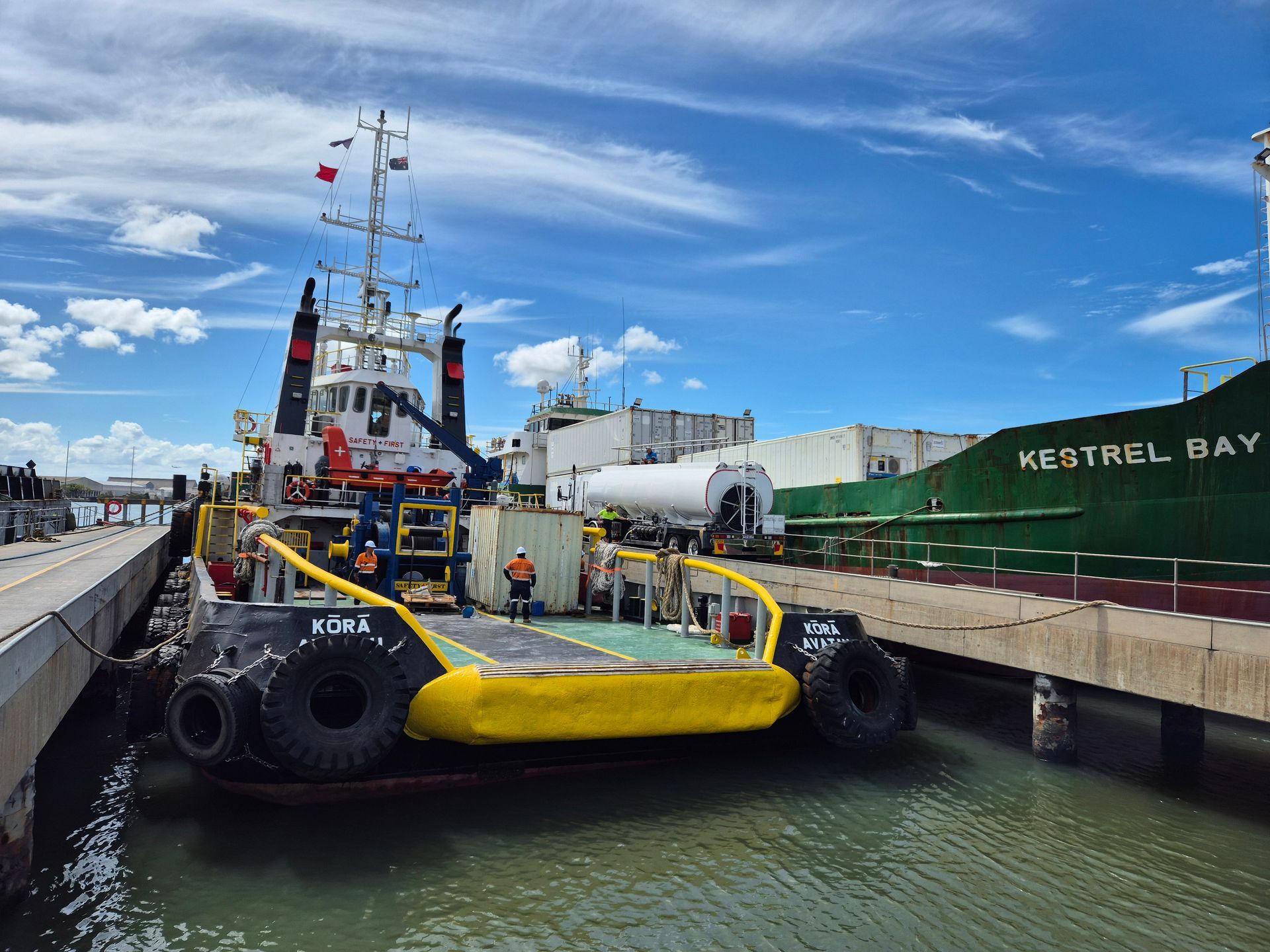
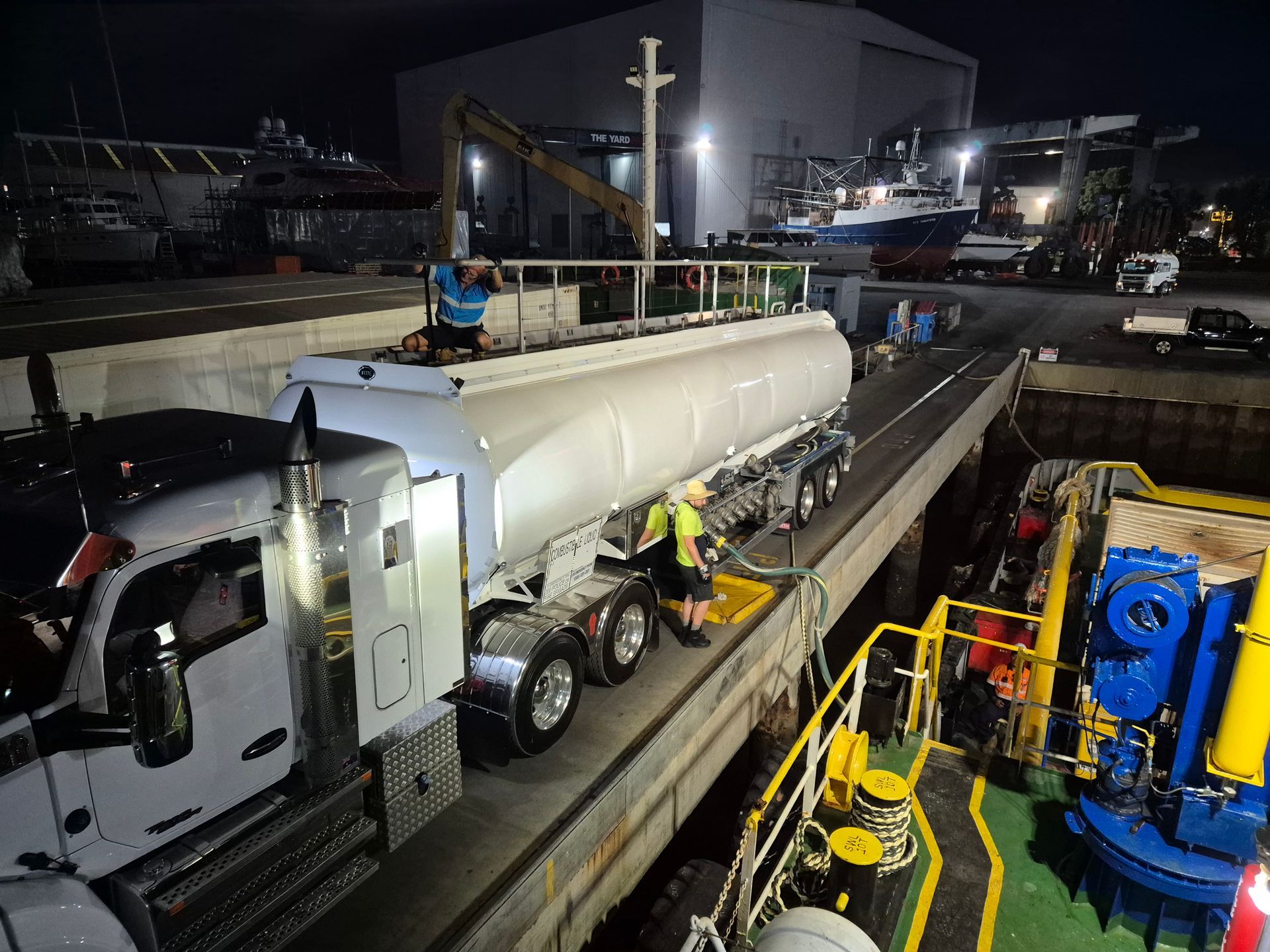
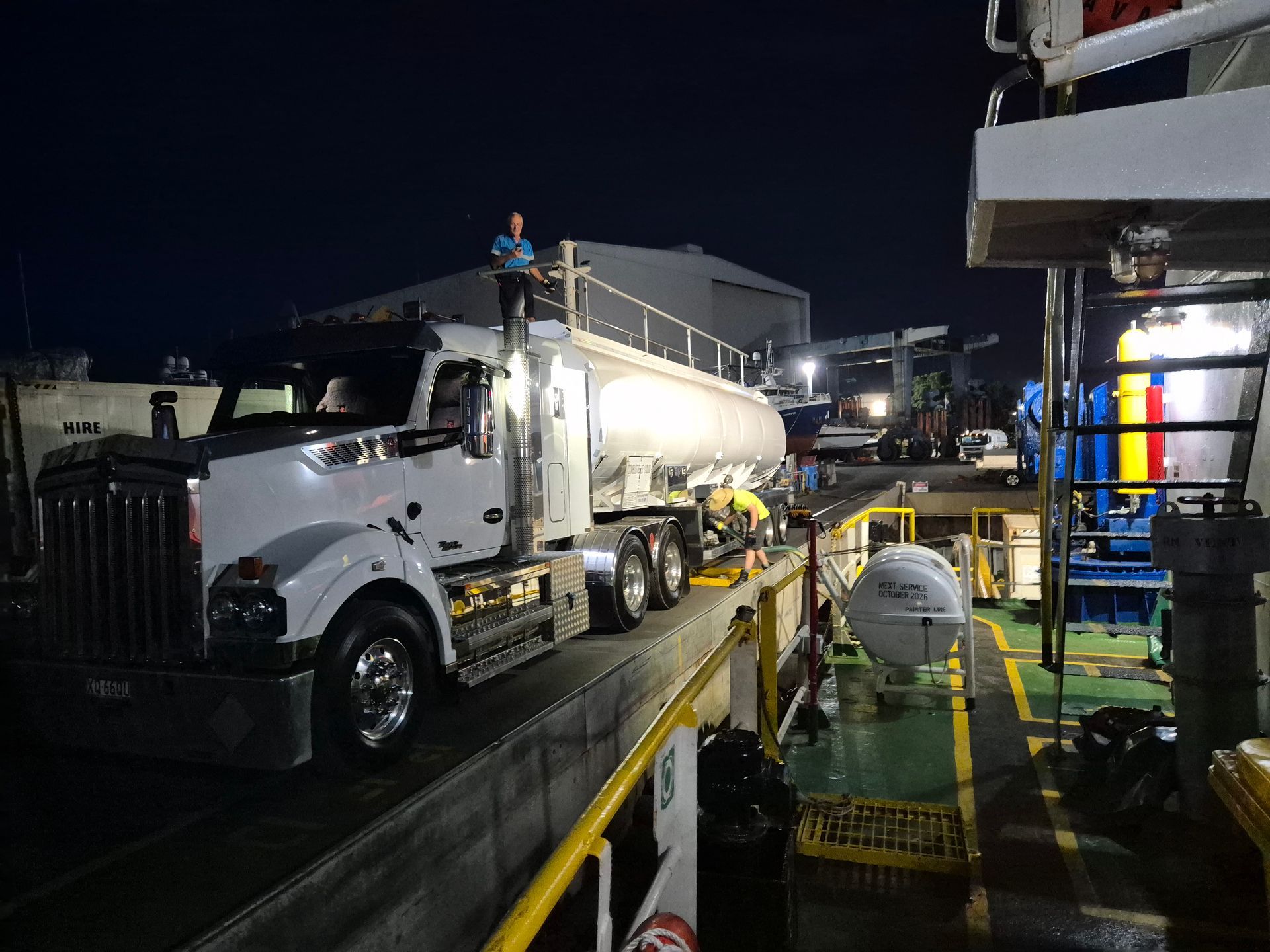
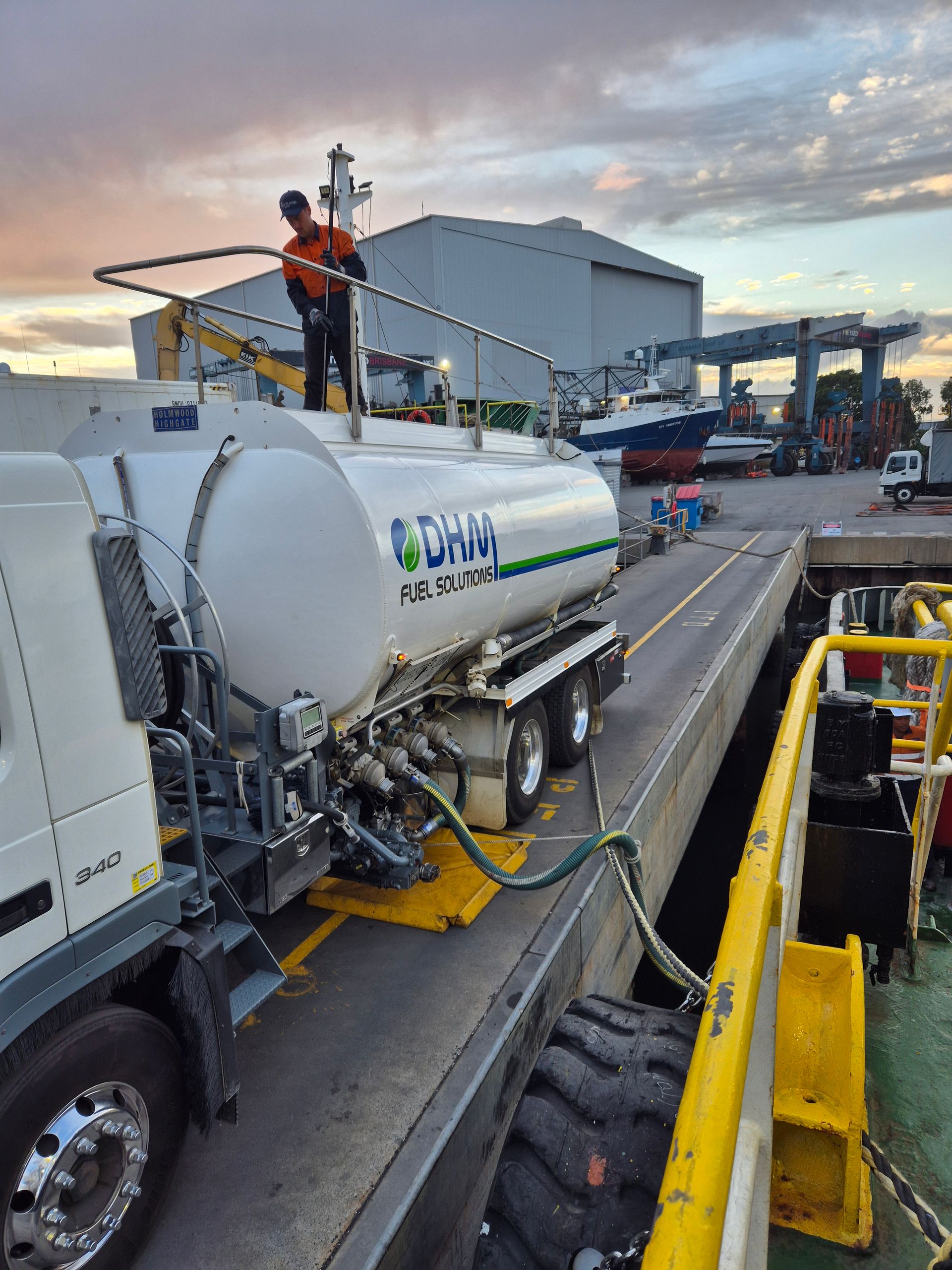
At DHM Fuel Solutions, we pride ourselves on helping businesses and boat owners avoid preventable fuel problems. Our trained technicians handle everything from marine fuel transfers and confined-space tank cleaning to filtration and waste pump-outs — all while meeting strict safety and environmental standards.
The Bottom Line
A dirty fuel tank isn’t just unsightly — it’s a silent threat to your operations and your wallet. Regular maintenance keeps your systems running efficiently, prevents costly breakdowns, and protects the quality of your fuel supply.
Don’t wait for a problem to arise! Schedule a professional fuel tank clean today and save yourself time, money, and stress in the long run.
DHM Fuel Solutions. Clean Fuel. Reliable Power. Every Time.