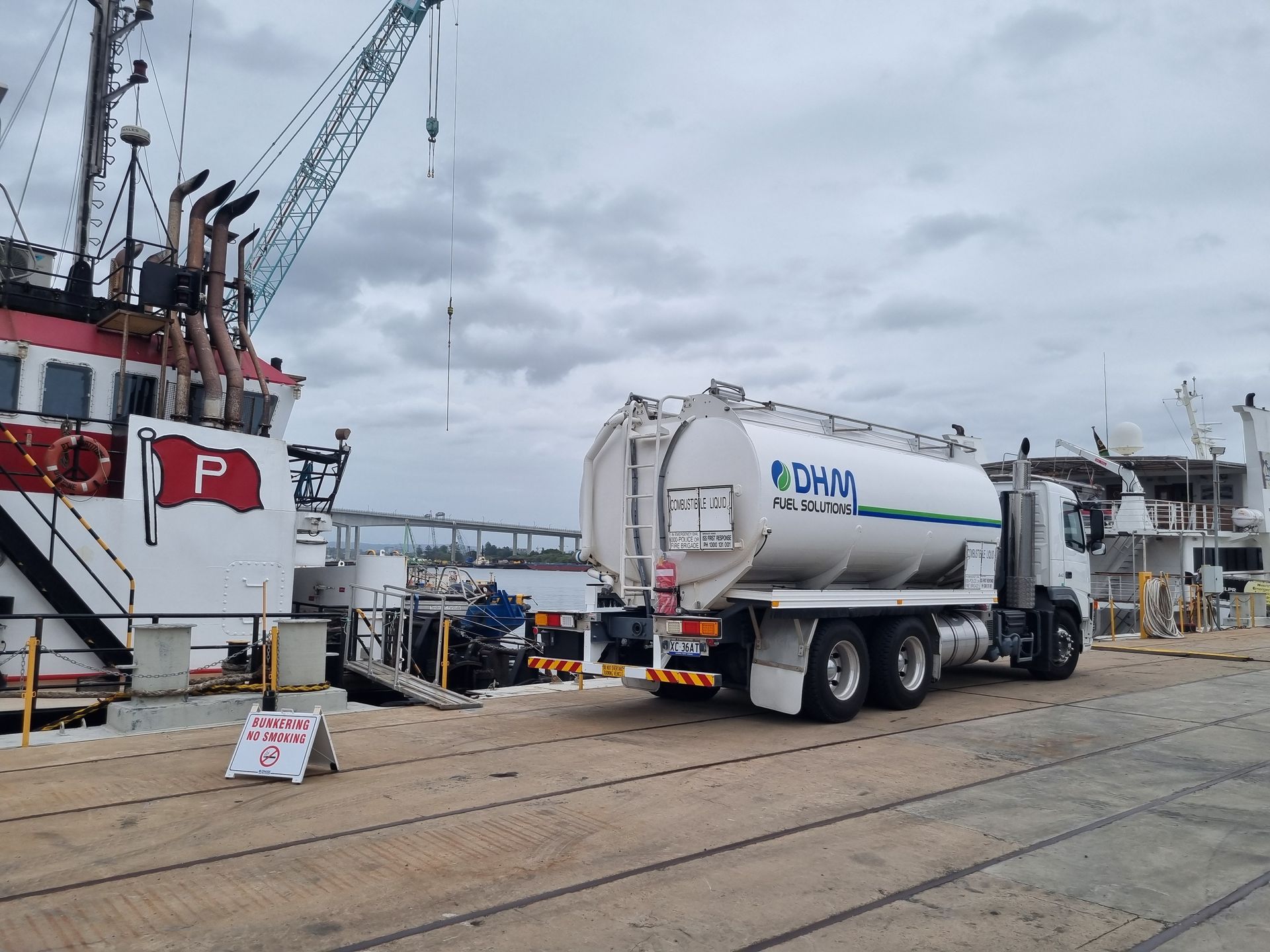
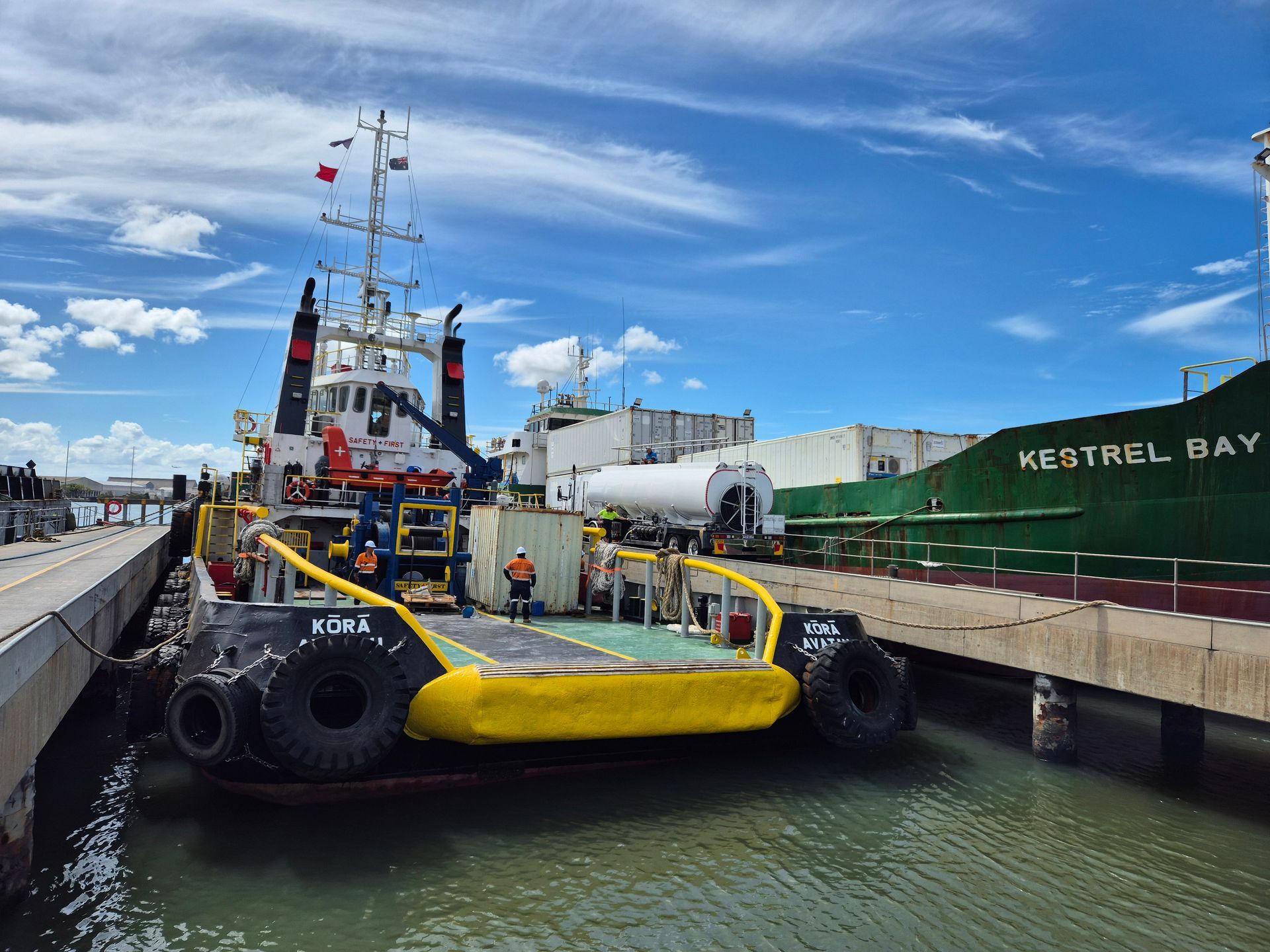
Fuel is the lifeblood of any vessel. Without clean, well-handled fuel, even the best engines can fail when you need them most. For operators, bunkering and fuel transfers are part of everyday life, but they also carry big risks if not done correctly. Spills, contamination, and downtime can all happen fast.
The good news is that most of it can be prevented with the right knowledge, preparation, and service partner.
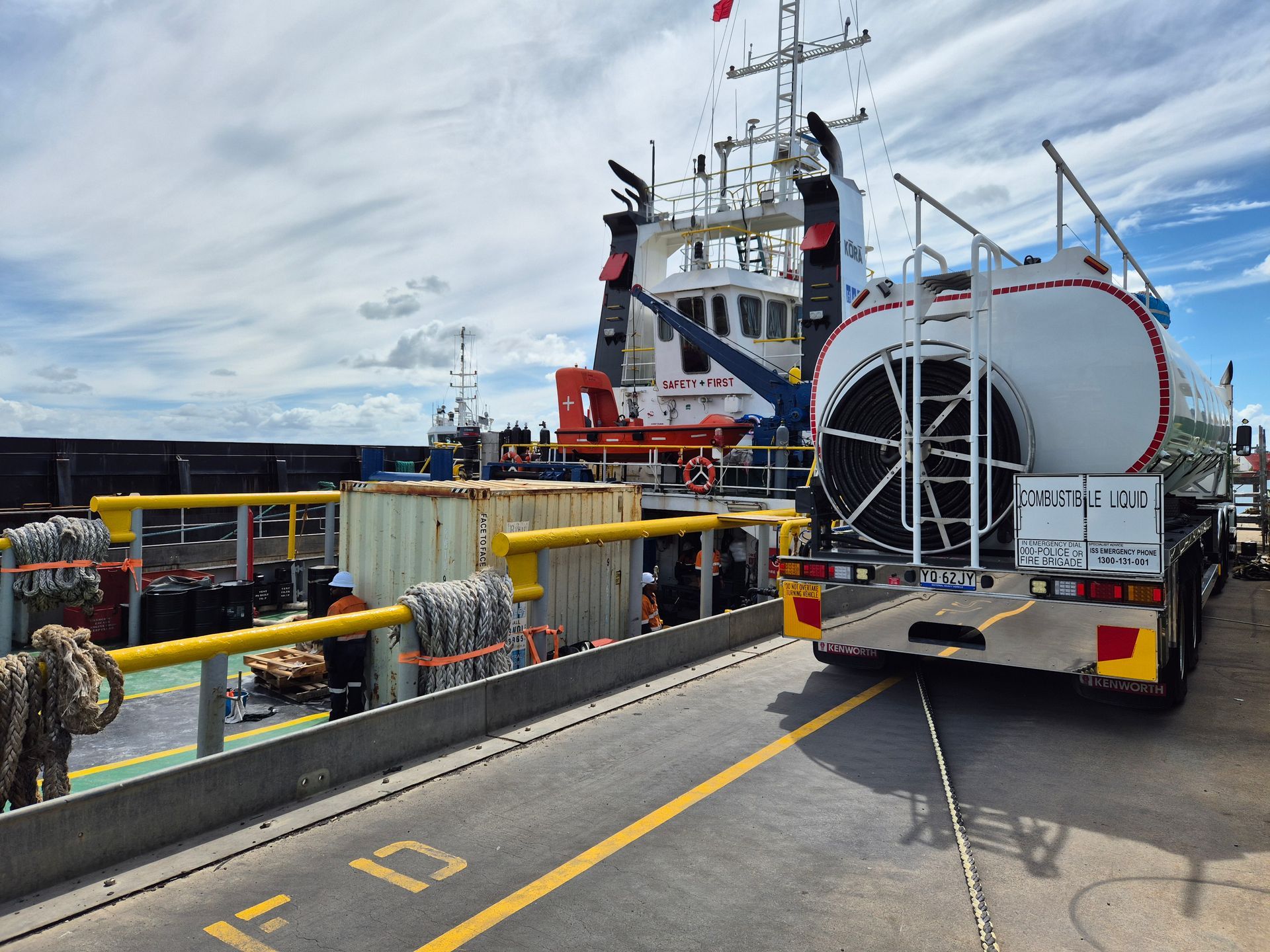
At DHM Fuel Solutions, we help vessel owners and operators across Queensland manage bunkering, transfers, and storage safely and efficiently. Here’s what every skipper, engineer, or site manager should know.
Start with Clean Fuel
The quality of the fuel you receive makes all the difference. Contaminated fuel can clog filters, damage injectors, and slow performance. Water and microbial growth are two of the biggest culprits. Always make sure your supplier provides clean, tested fuel that meets the right specifications for your engines.
When we assist clients with fuel transfers, we don’t just move the product. We check it. We filter it. We make sure it’s ready to go straight into your tanks without carrying hidden problems. You can’t see contamination with the naked eye, but the wrong fuel quality can ruin a trip or cost thousands in repairs.
Preparation Before the Transfer
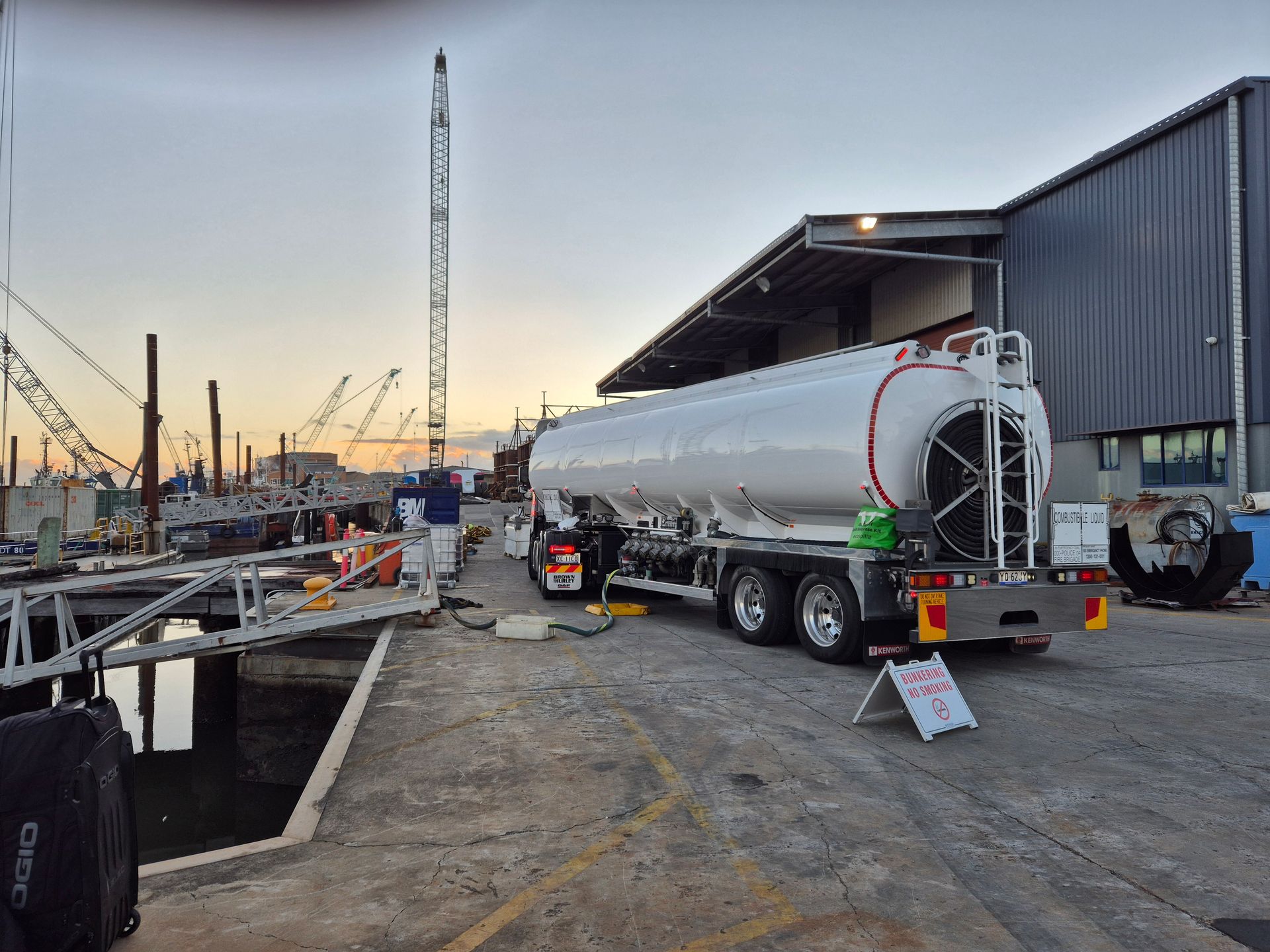
Good bunkering starts before the hose even touches the tank. Before any fuel transfer, always:
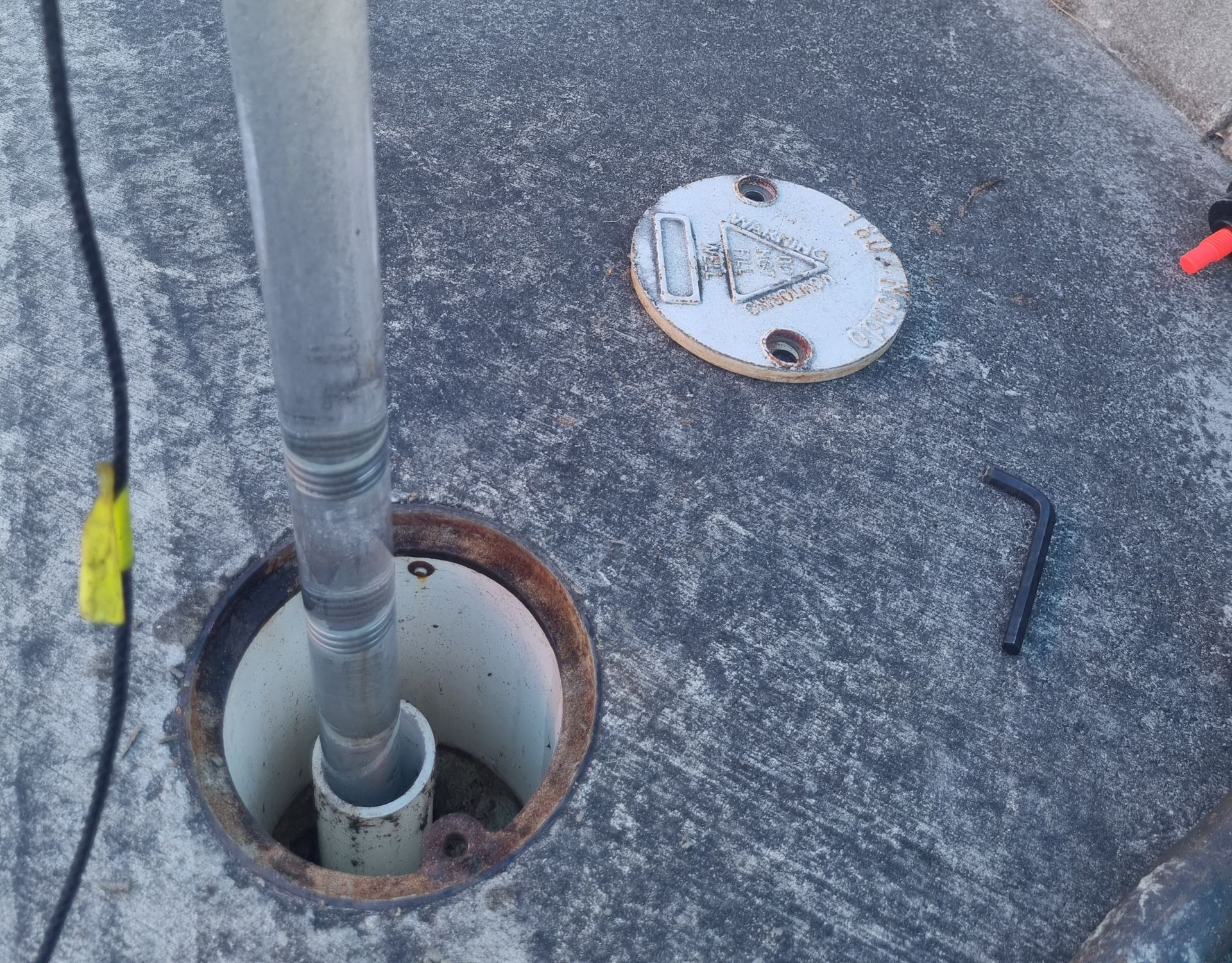
- Inspect your tanks, hoses, and fittings for leaks or corrosion.
- Check that all valves and vents are in the right position.
- Confirm the amount of fuel you’re receiving and that your tank has room for it.
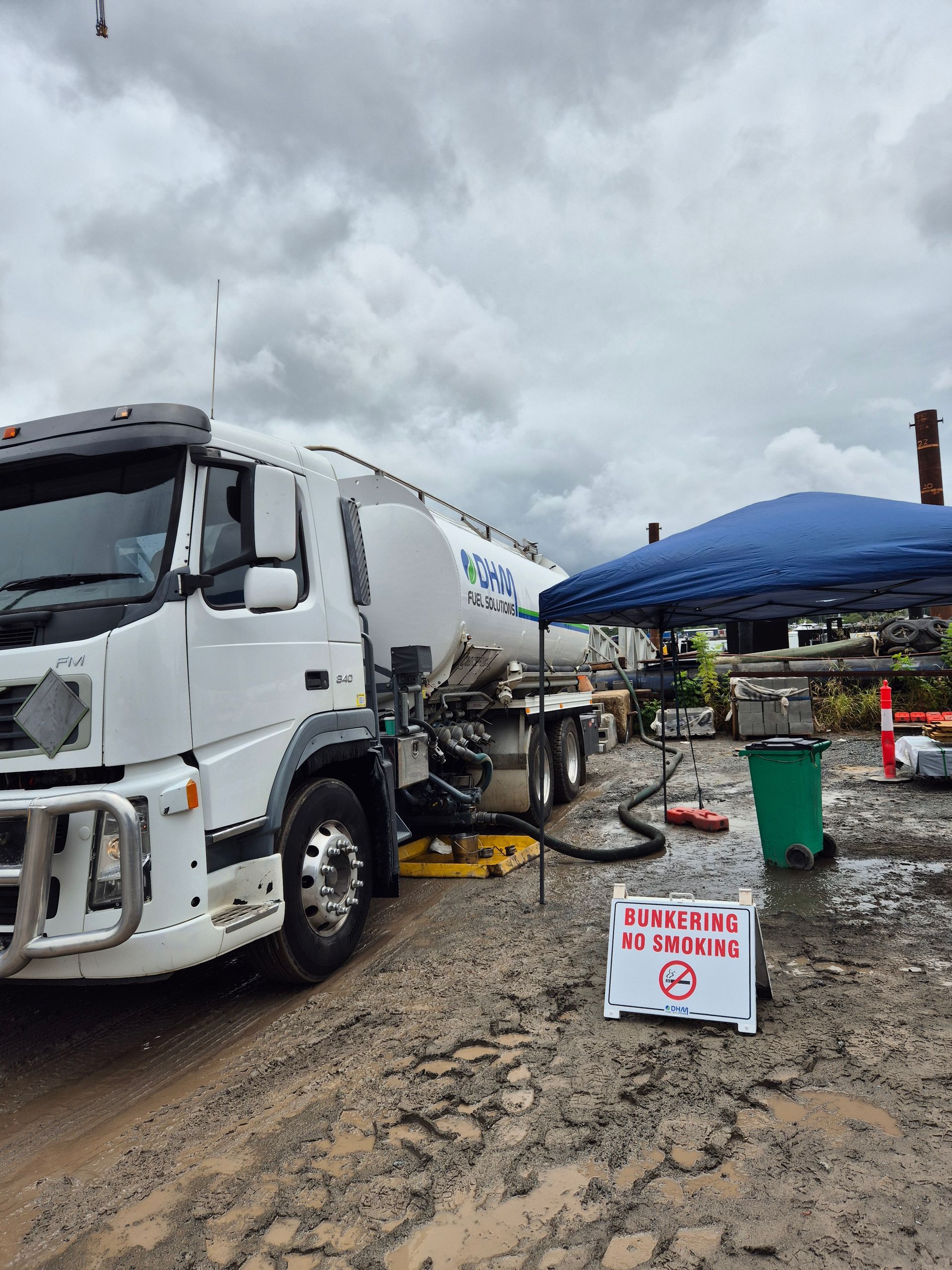
- Make sure containment equipment is in place in case of a spill.
- Brief your crew so everyone knows their role during the operation.
A few minutes of preparation can prevent hours of cleanup and repair later. We’ve seen operators skip these checks and pay for it when a hose coupling fails or a vent line overflows.
During the Transfer
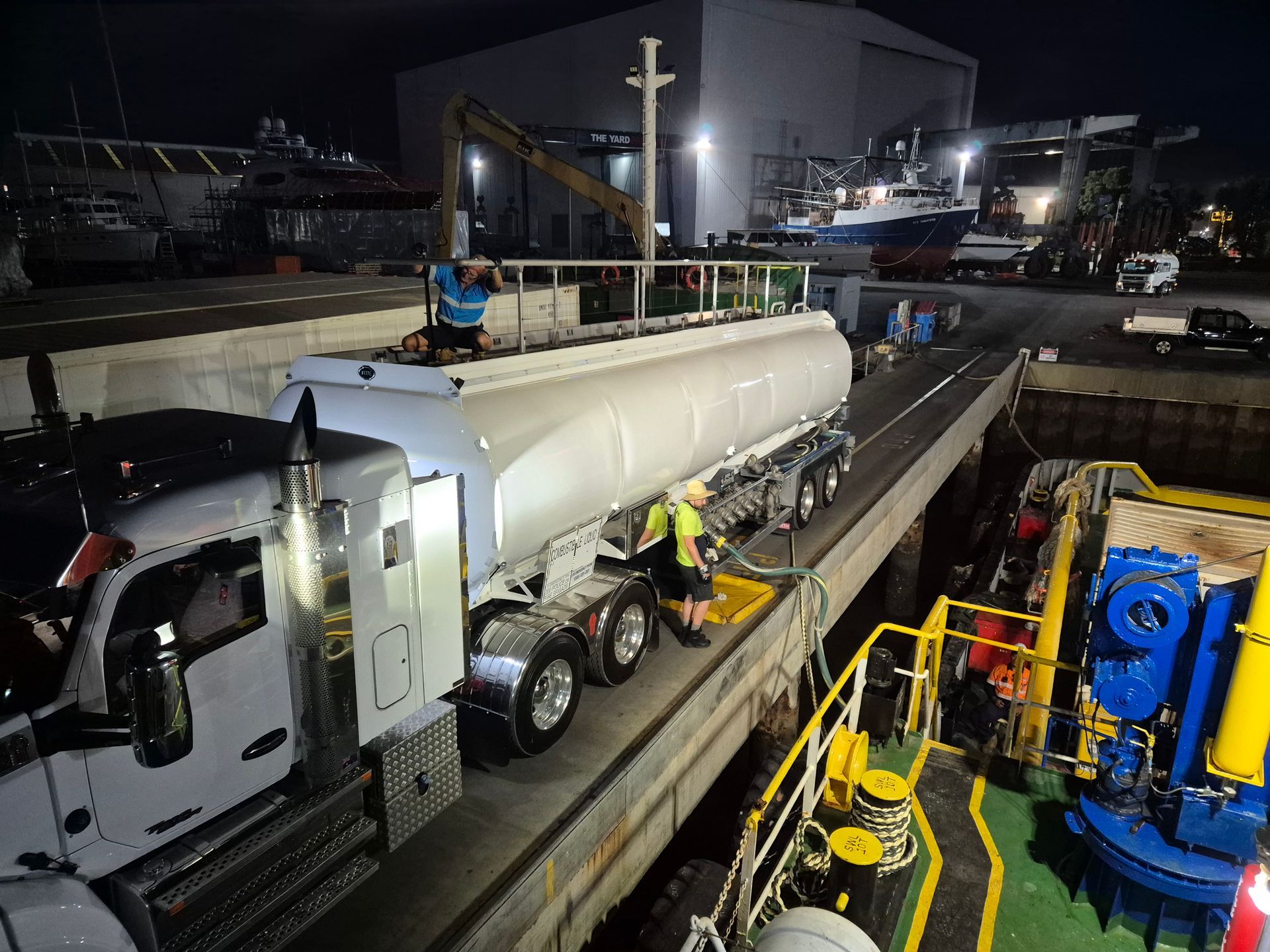
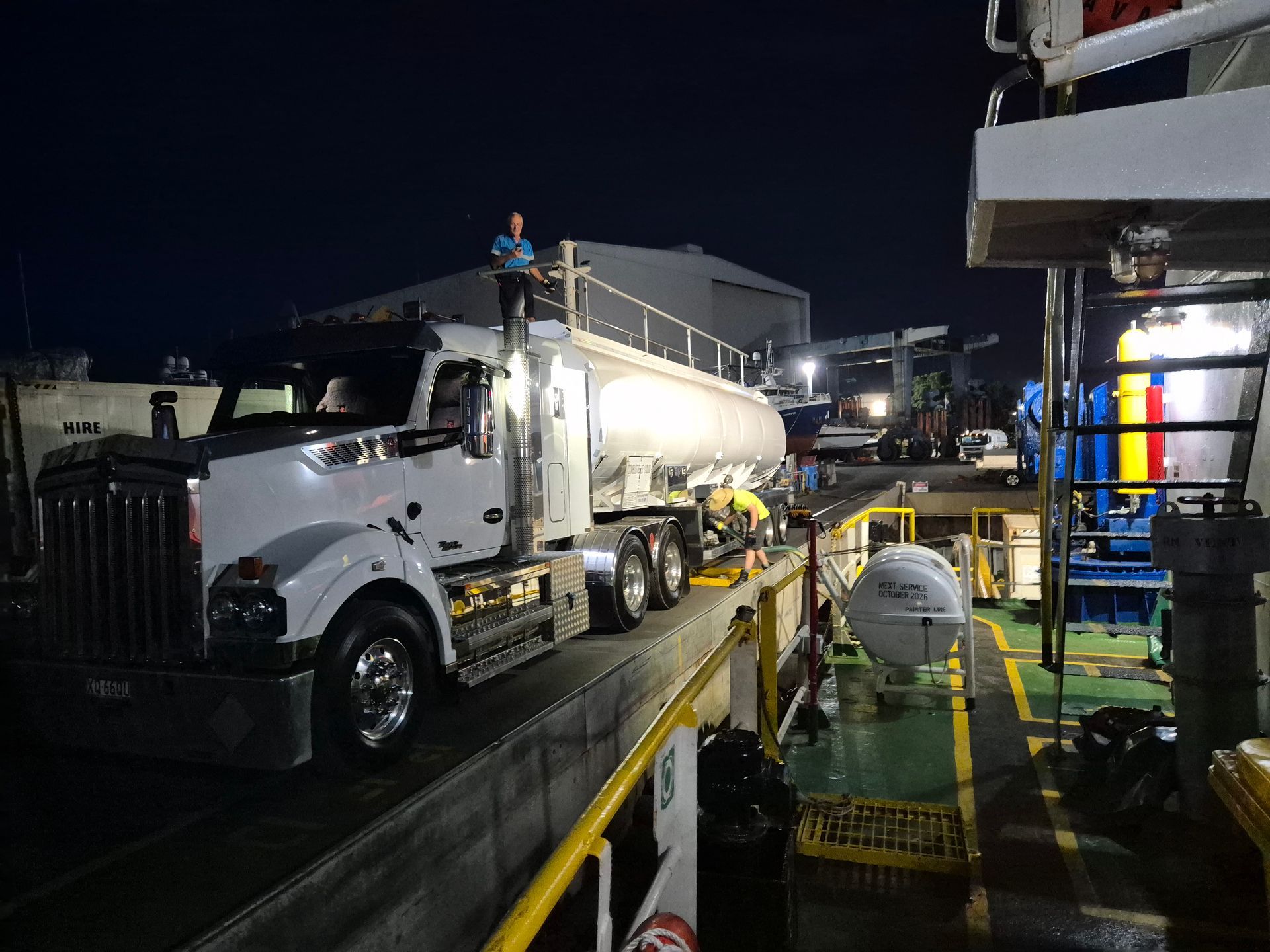
While the fuel is moving, keep a close eye on flow rates and pressure. Never leave a transfer unattended. Watch for any leaks or signs of overflow. Communication between everyone involved is key.
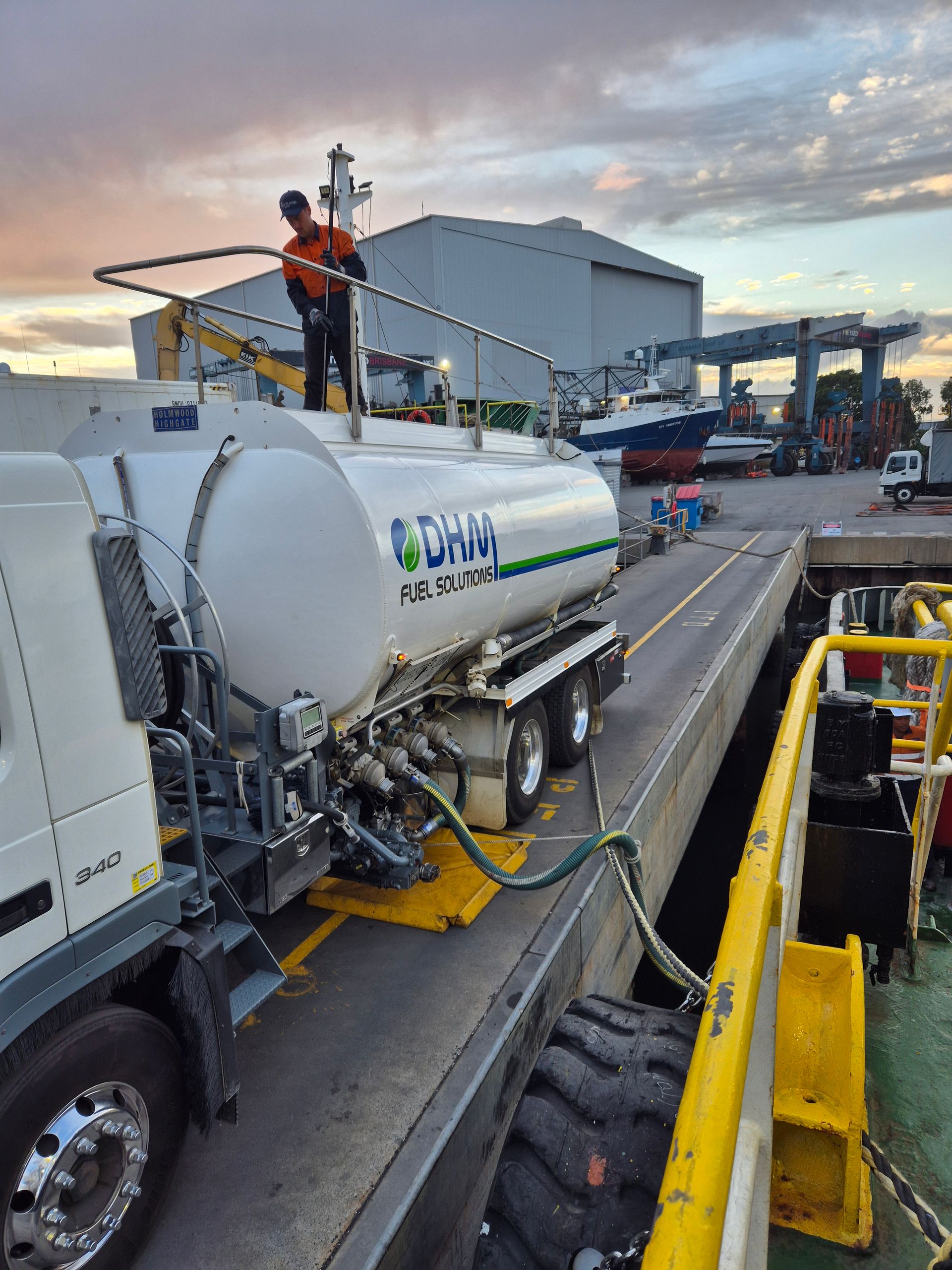
We always use trained operators and follow strict safety procedures. That includes having spill kits and containment booms ready, monitoring tank levels, and using grounded hoses to prevent static build-up. If something doesn’t look right, stop the operation immediately. It’s easier to restart a safe transfer than to fix a bad one.
After the Job
Once the transfer is done, don’t just pack up and leave. There’s still important work to do.
- Close all valves properly and check for leaks.
- Record how much fuel was transferred and any issues during the process.
- Store hoses and equipment correctly to prevent damage.
- Take a sample of the fuel for your records.
Post-transfer inspections and records are your best defence if something goes wrong later. It’s also good practice for compliance and insurance.
Avoiding Contamination Problems
Contamination can happen at any stage of storage or transfer. Water and dirt are the most common issues, often caused by condensation, poor handling, or damaged seals. Once inside the tank, these contaminants can lead to microbial growth, sludge, and corrosion.
At DHM Fuel Solutions, we often get called out to fix problems that started with small oversights.
A bit of water in the bottom of a tank turns into a layer of sludge that clogs filters and damages injectors. Regular tank inspections and cleaning stop this from happening. If we find contamination, we remove the waste, filter the remaining fuel, and test it before it goes back into use.
Safety and Environmental Responsibility
Every fuel transfer carries an environmental responsibility. Even a small spill can cause major harm to the marine environment and result in heavy fines. Proper containment and disposal of waste fuel are essential.
We are fully trained in confined space entry, atmospheric testing, and waste removal. All waste products from transfers and cleanings are disposed of through approved channels. Safety and compliance aren’t optional. They’re the foundation of every job we do.
Choosing the Right Partner
Not all fuel service providers are the same. Look for one with proper training, insurance, and experience in marine environments. Ask about their equipment, their process, and their safety record. The cheapest quote is rarely the best value if it leads to contamination, delays, or damage.
At DHM Fuel Solutions, we work with marine operators, charter companies, and commercial vessels across Brisbane and beyond. We handle everything from tank cleaning and fuel polishing to large-scale bunkering operations. Our goal is simple: keep your fuel clean, your tanks safe, and your operations running without interruption.
Fuel transfers aren’t just another job. They’re a critical part of vessel maintenance and reliability. By following the right procedures and partnering with professionals who know what they’re doing, you protect your crew, your equipment, and the environment.
If your vessel needs a fuel transfer, bunkering, or a full tank clean,
contact DHM Fuel Solutions today. We’ll make sure the job is done safely, efficiently, and by the book — so you can focus on getting back out on the water with confidence.