When you run a fuel site, reliability is everything. Whether you’re supplying trucks, generators, or a retail outlet, clean fuel keeps your business moving. But over time, tanks get dirty, filters clog, and performance drops. It’s not bad luck. It’s contamination.
At DHM Fuel Solutions, we spend our days fixing what dirt, water, and neglect do to fuel systems. The good news is that you can stop most problems before they start if you know what to look for and stay on top of maintenance.
The Hidden Mess Inside Every Tank
Fuel looks clean when it’s pumped, but what happens inside the tank is a different story. As temperatures change, condensation forms on the tank walls. That water sinks to the bottom and starts feeding bacteria. Then rust, dirt, and sludge begin to build up.
This mix of contaminants slowly eats away at fittings, blocks filters, and ruins pumps. Before long, you’re dealing with poor flow rates, slow dispensers, and engines that smoke or stall.
We’ve opened tanks that looked fine from the outside and found ten years of sludge inside. The operators had no idea until filters started blocking every few days.
How Contamination Costs You
Every blocked filter or pump repair comes out of your pocket. But that’s not the only cost. Contamination leads to:
- Downtime when fuel systems fail or equipment stops working
- Waste when contaminated fuel has to be dumped instead of recovered
- Compliance risks if contaminated water or sludge leaks into the environment
- Customer frustration when dispensers are slow or unreliable
Keeping your tanks clean is always cheaper than dealing with a breakdown or cleanup later.
What Proper Filtration and Cleaning Look Like
A quick filter change or tank drain might seem like enough, but proper contamination control is a detailed process. Here’s how we do it at DHM Fuel Solutions:
- Inspection and Testing – We start by checking the tank, sampling the fuel, and identifying what’s in it.
- Waste Removal – We safely pump out sludge, water, and debris for licensed disposal.
- Tank Cleaning – Internal surfaces are washed, wiped, and flushed until clean.
- Fuel Filtration and Polishing – If the fuel can be recovered, we filter it to remove water and particles down to micron levels.
- Verification – Samples are tested again so you know your fuel meets clean standards before it goes back into use.
This approach restores your system without wasting good fuel. It’s efficient, safe, and fully compliant with environmental regulations.
Spotting Trouble Before It Gets Expensive
You don’t need to be an expert to spot early signs of contamination. Watch for:
- Frequent filter changes
- Reduced pump flow or slow dispensers
- Cloudy or dark fuel
- Water seen during tank dips or testing
- Strange smells or residue on fuel samples
If you’re seeing any of these, it’s time to get the tanks checked. Waiting for “next service” often means you’ll be paying for repairs instead of cleaning.
Why Regular Maintenance Wins Every Time
Clean fuel systems are reliable fuel systems. When you set up a regular maintenance plan, you prevent the build-up before it causes problems. For most retail and commercial sites, we recommend:
- Fuel sampling every six months
- Tank inspections every 12 to 18 months
- Full tank cleaning and filtration every 2 to 3 years
It’s a simple schedule that keeps your fuel clean, your customers happy, and your reputation intact.
Choose the Right Crew for the Job
Tank cleaning and filtration aren’t DIY tasks. They involve confined spaces, hazardous materials, and strict safety rules.
Always work with trained professionals who understand fuel systems and compliance.
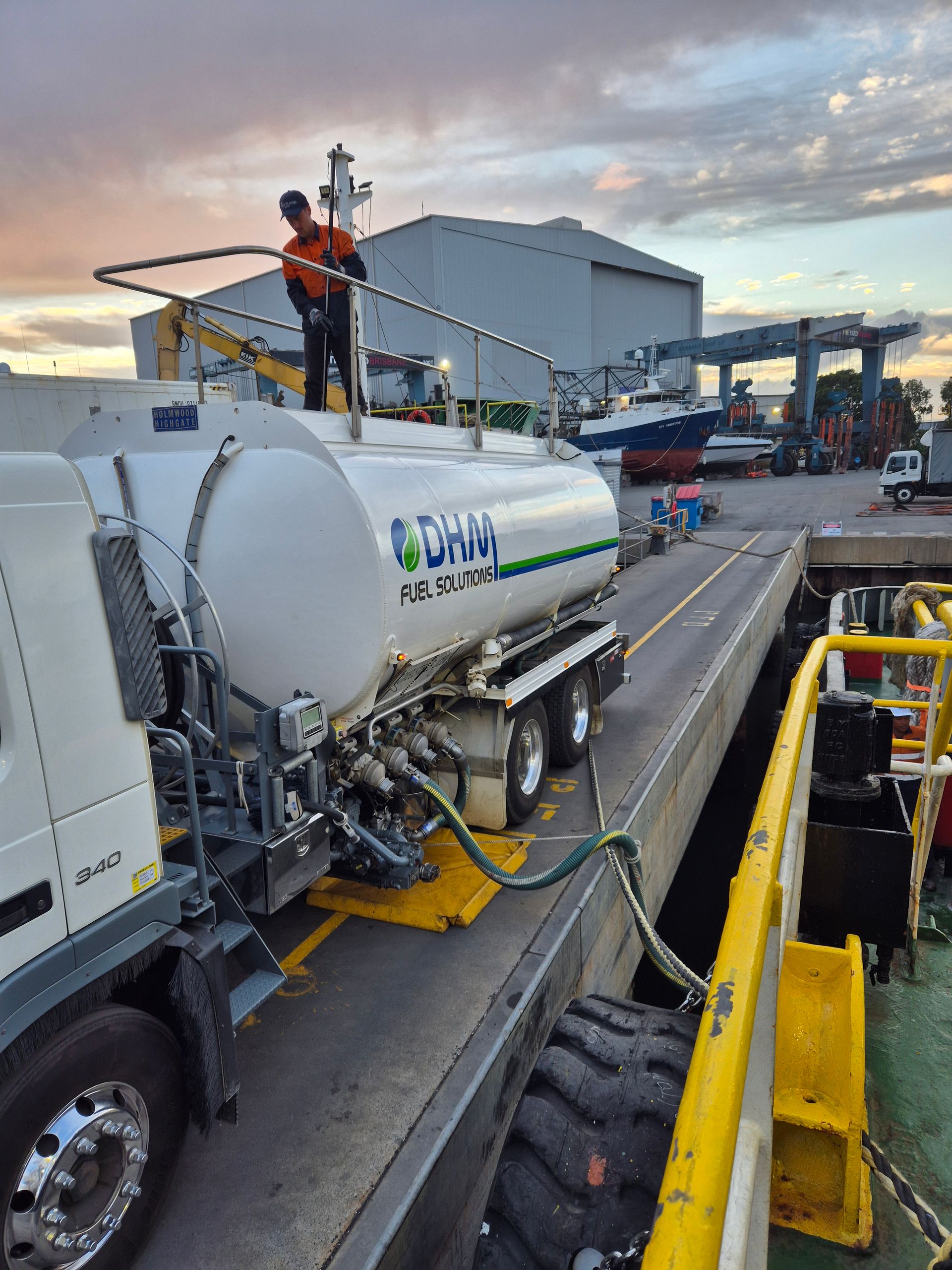
At DHM Fuel Solutions, we’re certified for confined space entry, atmospheric testing, and waste disposal. We handle everything from sump and pit cleaning to filtration and product transfer.
We do the dirty work so you don’t have to, and we do it safely.
Clean Fuel Means a Stronger Business
Every litre of fuel you sell or store should perform the way it’s meant to.
Contamination control isn’t just maintenance. It’s about protecting your equipment, your staff, and your customers.
If you’re running a retail or commercial fuel site and want to make sure your systems stay clean, give DHM Fuel Solutions a call.
We’ll help you keep your tanks spotless, your pumps running fast, and your business ahead of the game.