Rusty Fuel Tanks and Contaminated Fuel: Causes, Risks and Fixes

February 18, 2026

Share this article

A practical guide to identifying corrosion, managing contamination risks and implementing effective fuel system remediation.


Rust inside fuel tanks is a hidden but serious problem for fleets and industrial operators. Once corrosion begins, fuel quality deteriorates rapidly, leading to increased maintenance costs and equipment damage. Understanding why tanks rust and how to address it is critical to maintaining safe fuel storage.

Why Fuel Tanks Rust


Rust forms when moisture, oxygen, and metal interact. Fuel tanks are particularly vulnerable due to condensation, water ingress, and fluctuating temperatures.


Common causes include:


  • Condensation inside partially filled tanks

  • Water entering through vents or seals

  • Long-term fuel storage

  • Poor drainage or maintenance

Once water settles at the bottom of the tank, corrosion accelerates.


How Rust Contaminates Fuel


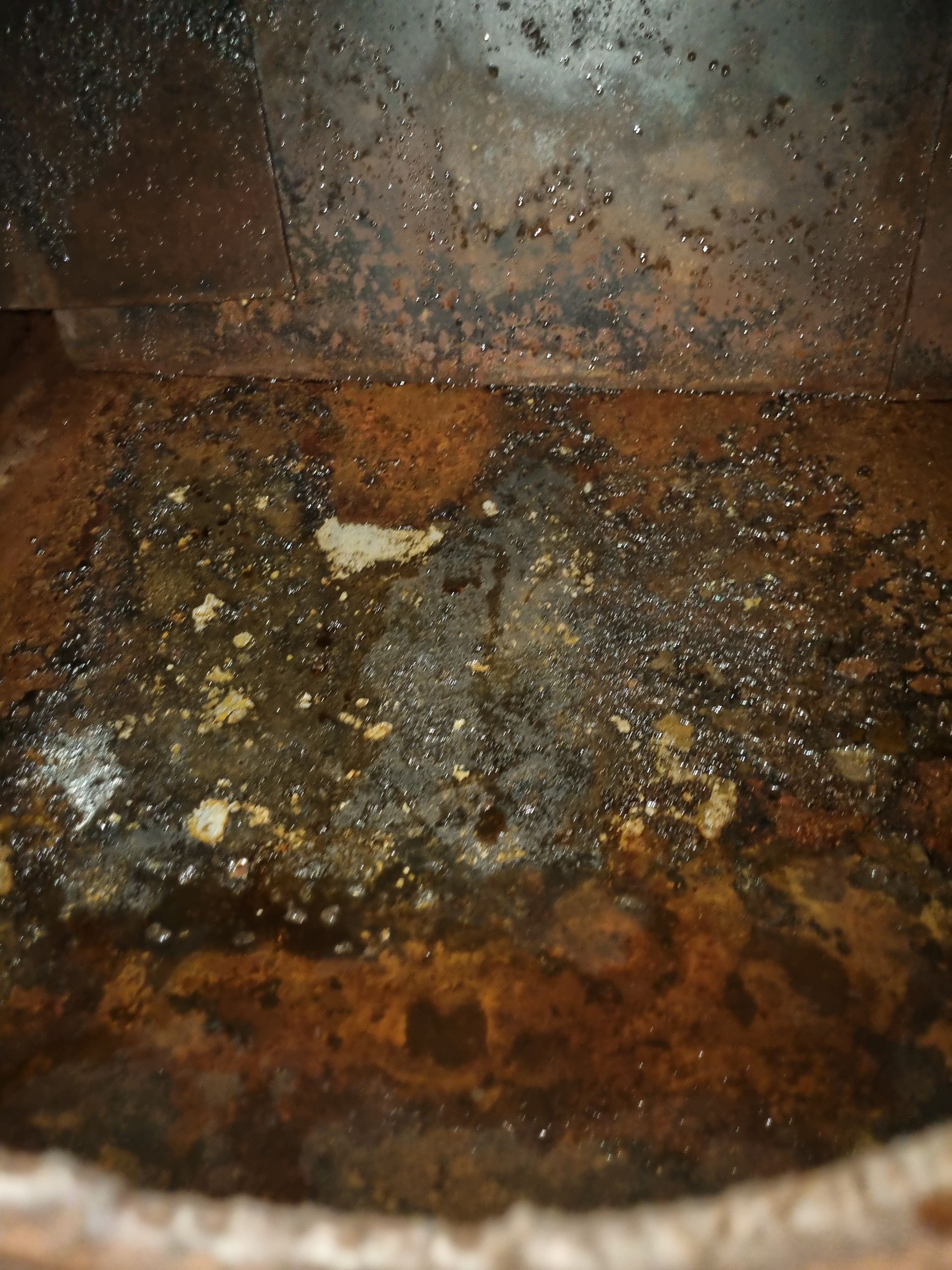
As corrosion develops, rust flakes break free and mix with fuel. These particles travel through the fuel system, clogging filters and damaging injectors and pumps. Rust also accelerates fuel degradation and increases sediment levels, compounding contamination issues.


Risks of Ignoring Rusty Fuel Tanks


Unchecked corrosion can lead to:


  • Repeated filter blockages

  • Injector and pump damage

  • Fuel leaks and environmental risk

  • Structural tank failure

  • Regulatory non-compliance

In severe cases, tanks may require replacement rather than repair.


Identifying Rust Contamination Early


Warning signs include:


  • Rust particles in fuel filters

  • Discoloured fuel

  • Water detected during inspections

  • Unusual fuel odours

  • Increased maintenance frequency

Early intervention can prevent significant damage.


Cleaning and Treating Rusty Fuel Tanks


Professional tank cleaning removes rust, sludge, and water safely. In many cases, tanks can then be treated to slow further corrosion and restore safe operation.


Cleaning processes may include:


  • Sludge and sediment removal

  • Water extraction

  • Rust scale removal

  • Surface treatment to inhibit corrosion


How DHM Fuel Solutions Restores Rust-Affected Tanks


DHM assesses tank condition before cleaning to determine the safest and most effective approach. Where possible, tanks are cleaned and treated to extend service life and restore fuel quality.


This prevents ongoing contamination and reduces the need for premature tank replacement.


Rusty tanks compromise fuel quality, equipment reliability, and safety.

.

Proactive cleaning and treatment protect assets and ensure fuel remains clean and compliant.

Recent Posts

White yacht moored at a marina beside a metal dock under a cloudy sky
By Phillips June 23, 2026
Compare onsite refuelling and bulk fuel delivery to find the best fuel solution for your operation. Improve efficiency, reduce downtime, and lower costs.
Tanker truck at an industrial dock beside a red-and-white ship under an overcast sky.
By Phillips June 18, 2026
Learn how to reduce fuel loss, theft, and mismanagement across large sites with smarter fuel monitoring, tracking, and operational controls.
White tanker truck at a muddy worksite beside a blue canopy and a small sign under cloudy skies
By Phillips June 12, 2026
Discover what a high-performance fuel management system looks like in 2026 and how real-time monitoring improves efficiency, reduces fuel waste, and lowers costs.
Silver tanker truck parked at a fuel station under a cloudy blue sky
By Phillips June 8, 2026
Learn how to manage fuel supply risks, prepare for delays and shortages, and improve operational reliability with smarter fuel planning strategies.
Cable-filled industrial compartment with two bolted access covers and machinery on the right
By Phillips May 13, 2026
Fuel storage in Australian conditions requires the right strategy. Learn how to prevent contamination, reduce risk, and keep your operations running efficiently.
By Phillips May 13, 2026
Fuel turnover rates impact fuel quality more than you think. Learn how stored fuel degrades and how to prevent contamination and operational downtime.
Amber-tinted metal bowl or pot viewed from above, with a bright yellow reflective center.
May 13, 2026
Poor tank design can lead to ongoing fuel contamination. Learn the causes, risks, and practical solutions to protect your fuel system and prevent downtime.
Open utility access hole with a clear vertical pipe and nearby round cover on rough pavement.
May 13, 2026
Learn how to audit your fuel system before problems start. Prevent contamination, reduce downtime, and keep your operations running efficiently.
A white semi-truck with a large tanker trailer parked in front of a corrugated metal wall.
April 28, 2026
Learn how to prevent fuel contamination during supply delays. Practical tips for businesses and households to keep diesel and petrol safe, efficient, and reliable.
A white tanker truck parked in front of a large, blue industrial straddle carrier next to a tall, corrugated warehouse.
April 22, 2026
Discover practical emergency fuel support strategies in Australia for businesses and households. Stay prepared during diesel shortages, rising prices, and supply delays.
Show More