How to Audit Your Fuel System Before Problems Start (A Practical Guide for Operators)

May 13, 2026

Share this article

Most fuel problems don’t come out of nowhere

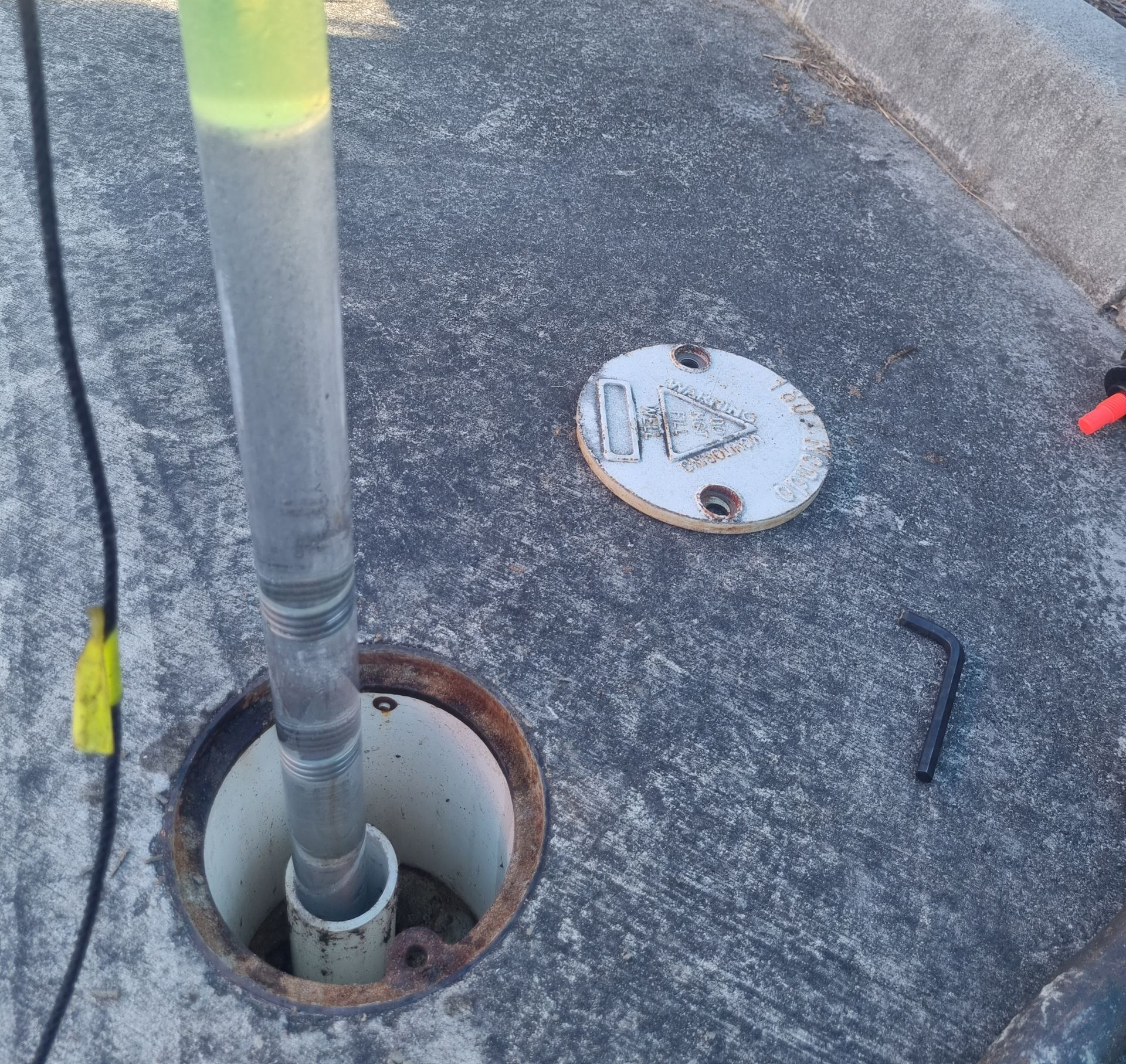
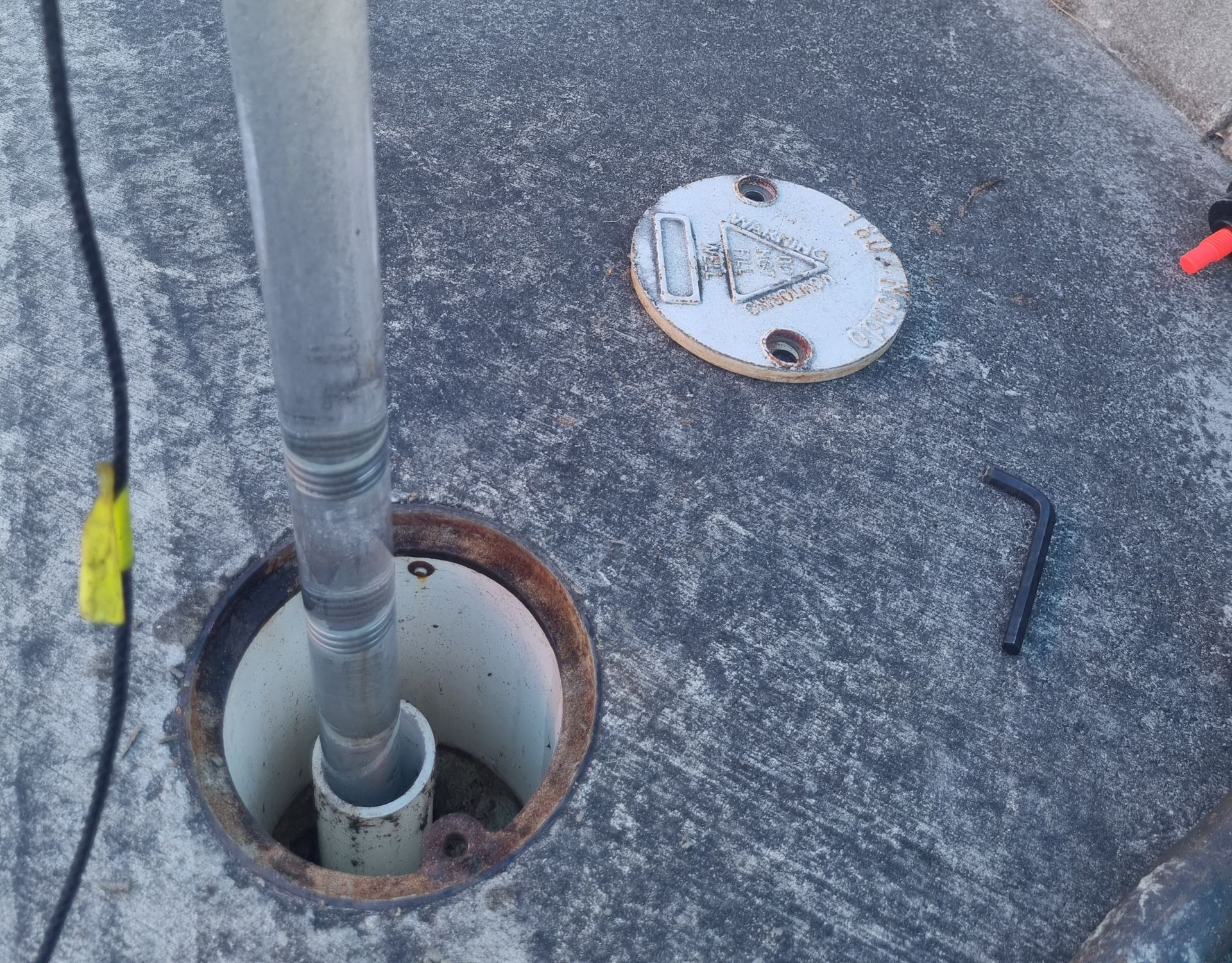
Yellow-sleeved pole in a pavement hole beside a curb with a round cover on asphalt.

Breakdowns, contamination, clogged filters—they rarely happen overnight.


In most cases, the warning signs are already there. They’re just missed. That’s where a proper fuel system audit comes in.


It’s not about ticking boxes. It’s about identifying risks early, before they turn into downtime, costly repairs, or operational disruption.


If your operations depend on fuel, this is something you can’t afford to overlook.


What is a fuel system audit?


A fuel system audit is a structured check of your entire fuel setup, from storage to delivery to usage.


It helps you answer key questions:


  • Is your fuel clean and stable?
  • Is your storage setup preventing contamination?
  • Are there hidden risks in your system?


Done properly, it gives you clarity and control.


Why auditing your fuel system matters


Without regular audits, small issues build up quietly:


  • Water accumulates in tanks
  • Sludge forms at the bottom
  • Filters clog more frequently
  • Fuel quality drops


By the time you notice, you’re already dealing with the consequences.


A proactive audit helps you:


  • Prevent contamination
  • Extend equipment life
  • Reduce unexpected downtime
  • Maintain consistent performance


Step-by-step: How to audit your fuel system


Here’s a practical process you can follow.


Step 1: Inspect your fuel storage tanks


Start with the foundation of your system.


Check for:


  • Water at the bottom of the tank
  • Sludge or sediment buildup
  • Signs of corrosion or damage
  • Tank design issues (poor drainage, flat bottoms)


If contamination is present here, it will flow through your entire system.


Step 2: Review fuel quality


Don’t rely on appearance alone.


Test for:


  • Water content
  • Microbial growth
  • Sediment levels


Fuel testing gives you a clear picture of what’s actually happening inside your system.


Step 3: Assess your tank ventilation


Air movement plays a bigger role than most realise.


Check:


  • Are vents allowing moisture in?
  • Are breathers properly installed and maintained?


Poor ventilation leads to condensation—and that leads to contamination.


Step 4: Evaluate fuel delivery and transfer points


Contamination doesn’t just happen in storage—it can occur during transfer.


Inspect:


  • Hoses and connections
  • Transfer procedures
  • Cleanliness of equipment


Even small lapses here can introduce dirt and water into your fuel.


Step 5: Check filtration systems


Filters are your last line of defence.


Look for:


  • Frequent clogging
  • Incorrect filter types
  • Delayed replacement schedules


If filters are failing, contamination is already present upstream.


Step 6: Review fuel usage and turnover


Fuel that sits too long becomes unstable.


Ask:


  • How long is fuel stored before use?
  • Are tanks being overfilled?


Slow turnover increases the risk of degradation and contamination.


Step 7: Inspect maintenance and cleaning schedules


When was the last time your system was cleaned?


Check:


  • Tank cleaning frequency
  • Inspection routines
  • Maintenance records


If there’s no clear schedule, there’s likely a gap in your system.


Audit approach (real-world example)


Reactive approach:


  • Only checking when problems occur
  • No routine testing
  • Inconsistent maintenance


Result:


Recurring issues, higher costs, and unexpected downtime


Proactive audit approach:


  • Scheduled inspections
  • Regular fuel testing
  • Preventative maintenance


Result:


Cleaner fuel, fewer disruptions, better performance


Quick tips you can apply immediately


  • Check your tank for visible water or sludge today
  • Review when your last fuel test was conducted
  • Inspect vents and seals for moisture entry points
  • Confirm your filter replacement schedule


These small checks can reveal bigger issues early.


Common mistakes to avoid


Even experienced operators get caught here.


  • Skipping regular inspections
  • Assuming fuel is fine if it looks clean
  • Ignoring early warning signs (filter clogging, performance drops)
  • Relying on reactive fixes instead of prevention


Avoid these, and you’re already ahead.


Why prevention always wins


Fixing fuel-related issues after they occur is expensive:


  • Equipment damage
  • Operational delays
  • Emergency maintenance


Auditing your system regularly helps you avoid all of that.


It’s not just about maintenance, it’s about protecting your operations.


A fuel system audit isn’t complicated, but it is essential.


When you know what to look for, you can:


  • Catch issues early
  • Prevent contamination
  • Keep everything running smoothly


The goal is simple:


Find the problem before it finds you.


Because once fuel issues start, they don’t stay small.


FAQs


1. What is a fuel system audit?


A fuel system audit is a detailed inspection of storage, quality, and delivery systems to identify risks and prevent contamination or failure.


2. How often should a fuel system be audited?


Fuel systems should be audited regularly, depending on usage, with routine inspections and scheduled maintenance checks.


3. What are the signs of fuel system problems?


Common signs include water in fuel, sludge buildup, frequent filter clogging, and reduced engine performance.


4. How can I prevent fuel system contamination?


Regular audits, fuel testing, proper storage, and consistent maintenance are key to preventing contamination.


Recent Posts

White yacht moored at a marina beside a metal dock under a cloudy sky
By Phillips June 23, 2026
Compare onsite refuelling and bulk fuel delivery to find the best fuel solution for your operation. Improve efficiency, reduce downtime, and lower costs.
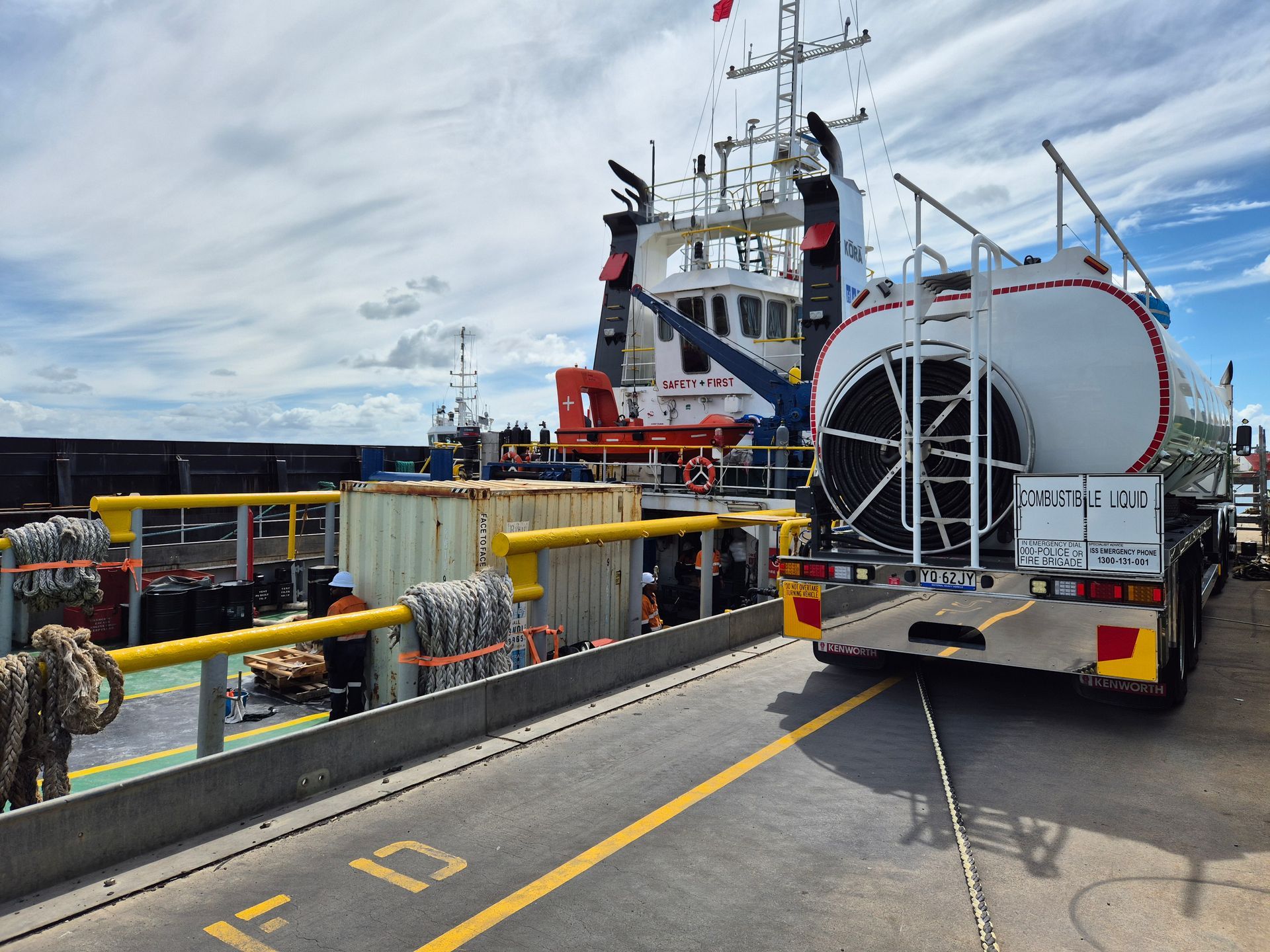
Tanker truck at an industrial dock beside a red-and-white ship under an overcast sky.
By Phillips June 18, 2026
Learn how to reduce fuel loss, theft, and mismanagement across large sites with smarter fuel monitoring, tracking, and operational controls.
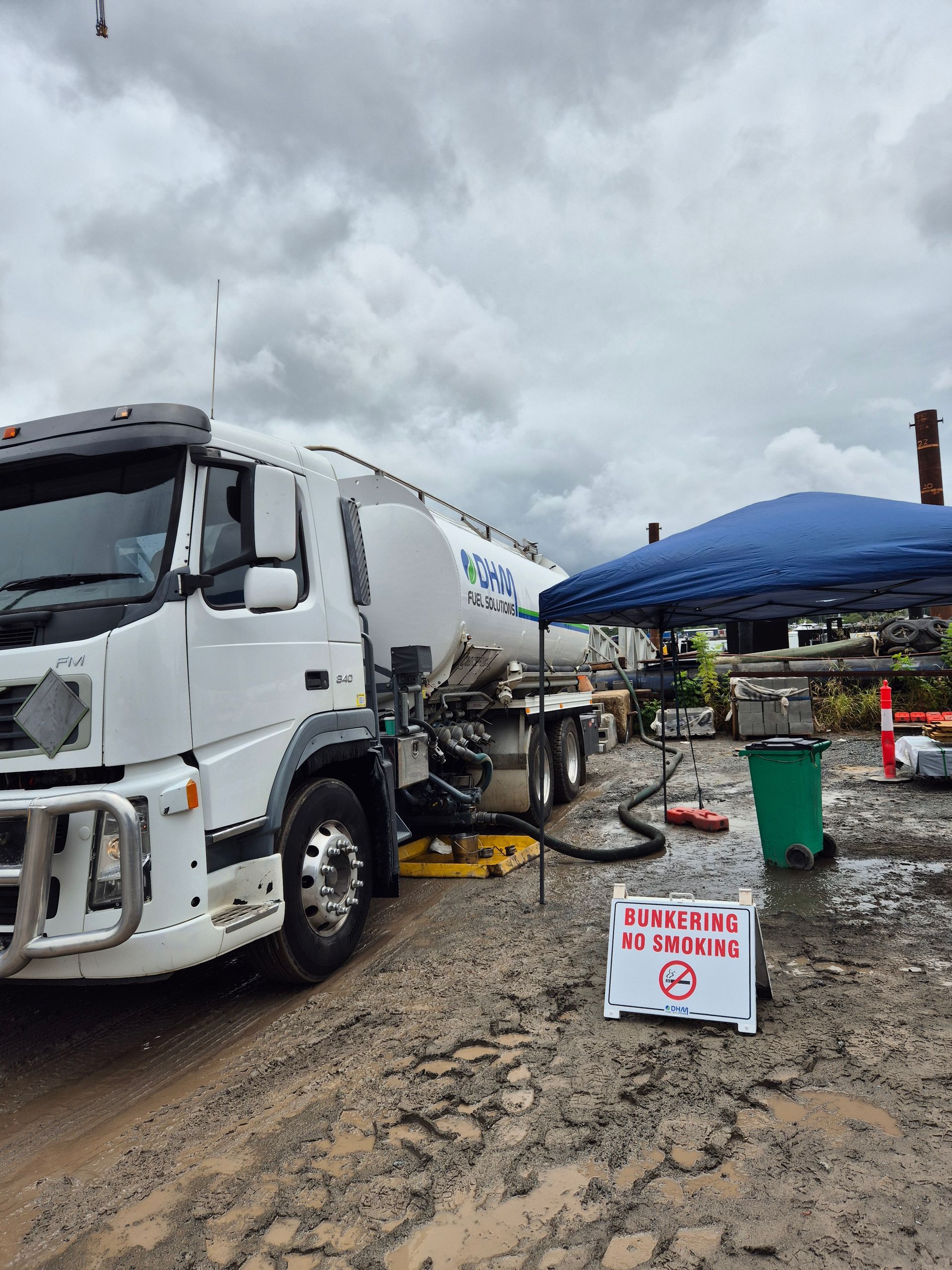
White tanker truck at a muddy worksite beside a blue canopy and a small sign under cloudy skies
By Phillips June 12, 2026
Discover what a high-performance fuel management system looks like in 2026 and how real-time monitoring improves efficiency, reduces fuel waste, and lowers costs.
Silver tanker truck parked at a fuel station under a cloudy blue sky
By Phillips June 8, 2026
Learn how to manage fuel supply risks, prepare for delays and shortages, and improve operational reliability with smarter fuel planning strategies.
Cable-filled industrial compartment with two bolted access covers and machinery on the right
By Phillips May 13, 2026
Fuel storage in Australian conditions requires the right strategy. Learn how to prevent contamination, reduce risk, and keep your operations running efficiently.
By Phillips May 13, 2026
Fuel turnover rates impact fuel quality more than you think. Learn how stored fuel degrades and how to prevent contamination and operational downtime.
Amber-tinted metal bowl or pot viewed from above, with a bright yellow reflective center.
May 13, 2026
Poor tank design can lead to ongoing fuel contamination. Learn the causes, risks, and practical solutions to protect your fuel system and prevent downtime.
A white semi-truck with a large tanker trailer parked in front of a corrugated metal wall.
April 28, 2026
Learn how to prevent fuel contamination during supply delays. Practical tips for businesses and households to keep diesel and petrol safe, efficient, and reliable.
A white tanker truck parked in front of a large, blue industrial straddle carrier next to a tall, corrugated warehouse.
April 22, 2026
Discover practical emergency fuel support strategies in Australia for businesses and households. Stay prepared during diesel shortages, rising prices, and supply delays.
A white fuel tanker truck parked at a facility, with a smartphone overlay highlighting how to reduce diesel costs.
April 9, 2026
Rising diesel prices in Australia are impacting transport, logistics, and businesses. Learn practical tips to reduce costs, manage fuel, and stay ahead.
Show More