Why Emergency Fuel Support Matters
When fuel becomes limited, everything slows down.
Emergency fuel support matters because modern life and business operations depend heavily on stable diesel and petrol access.
For businesses
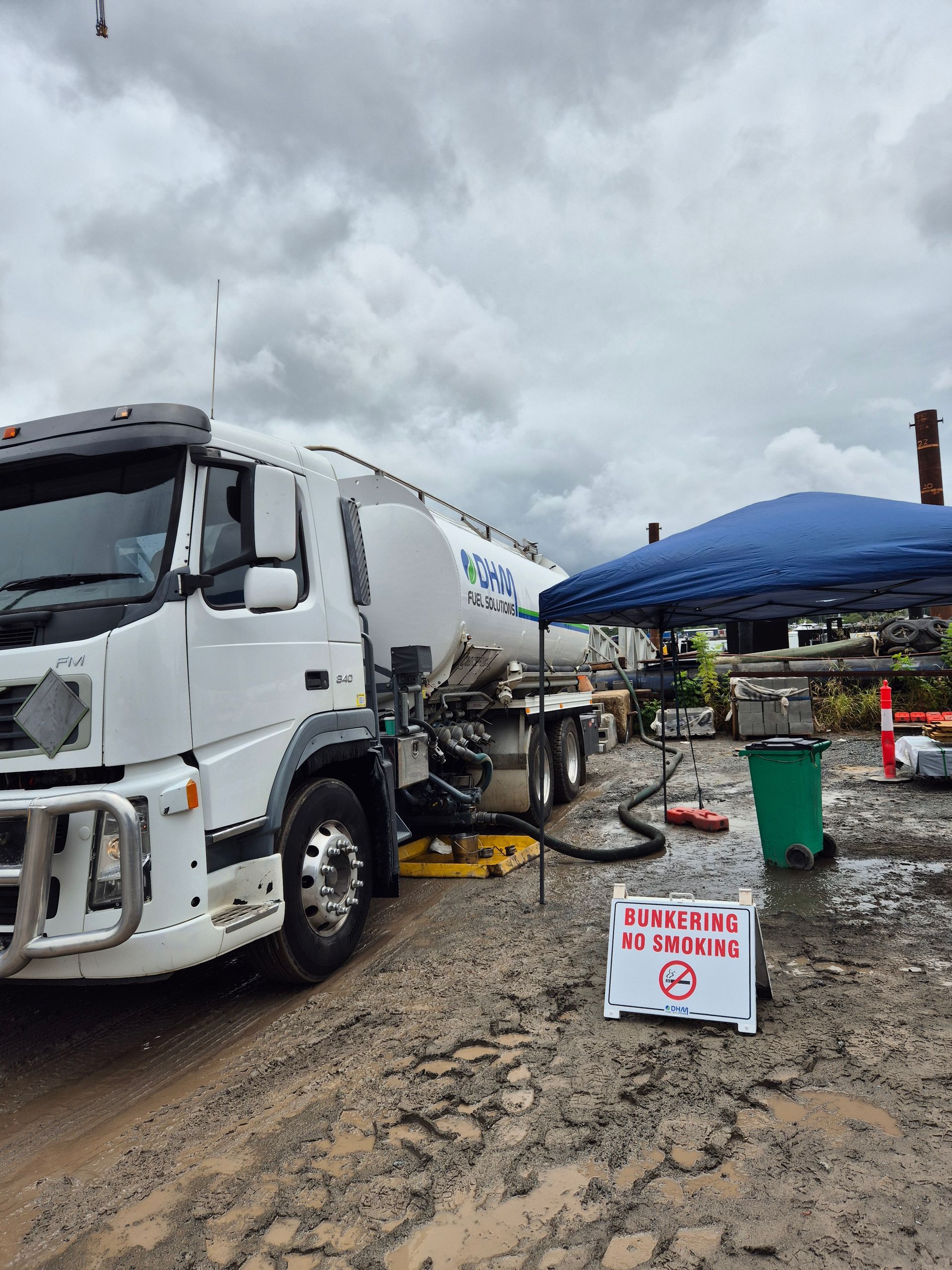
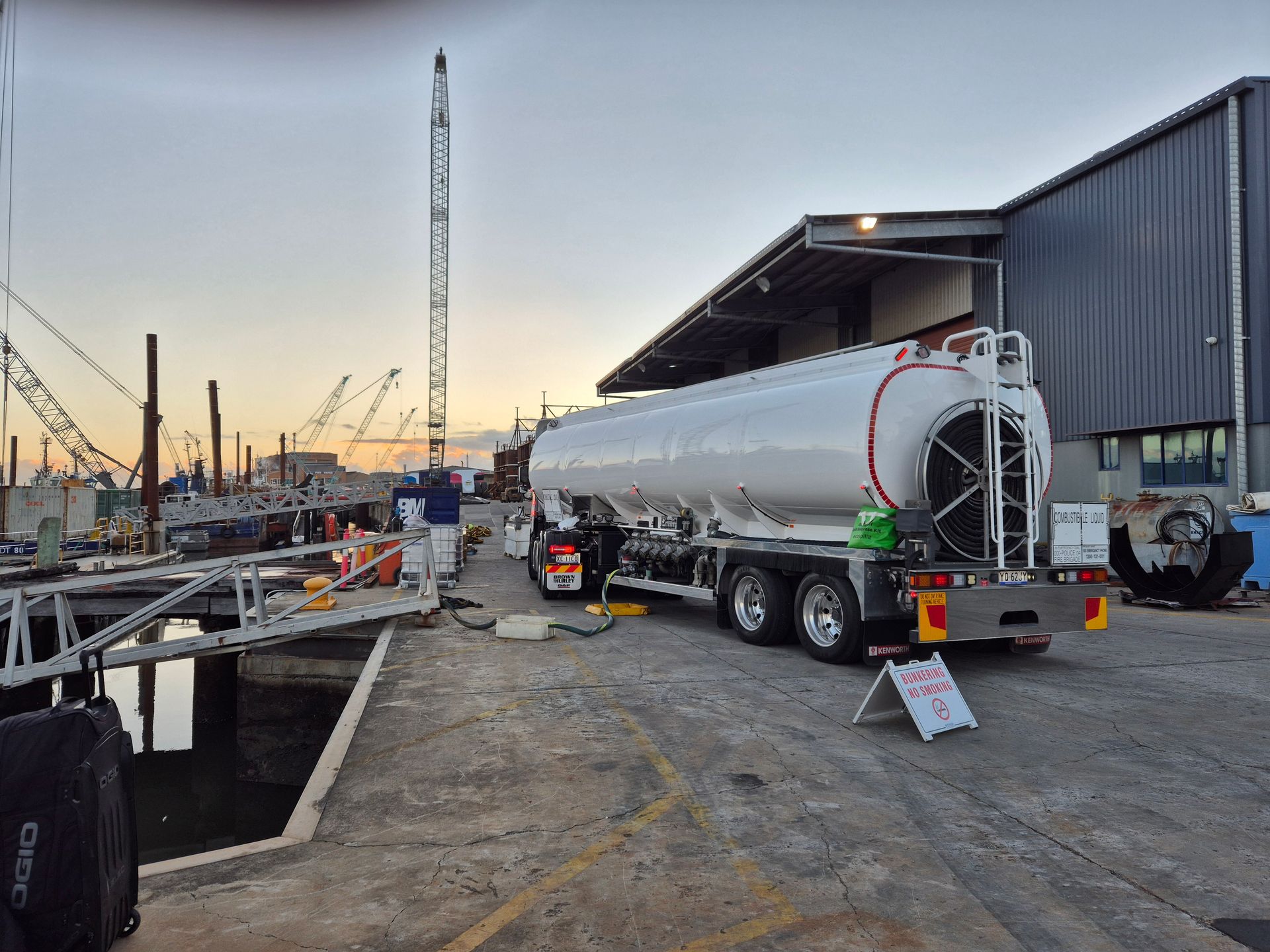
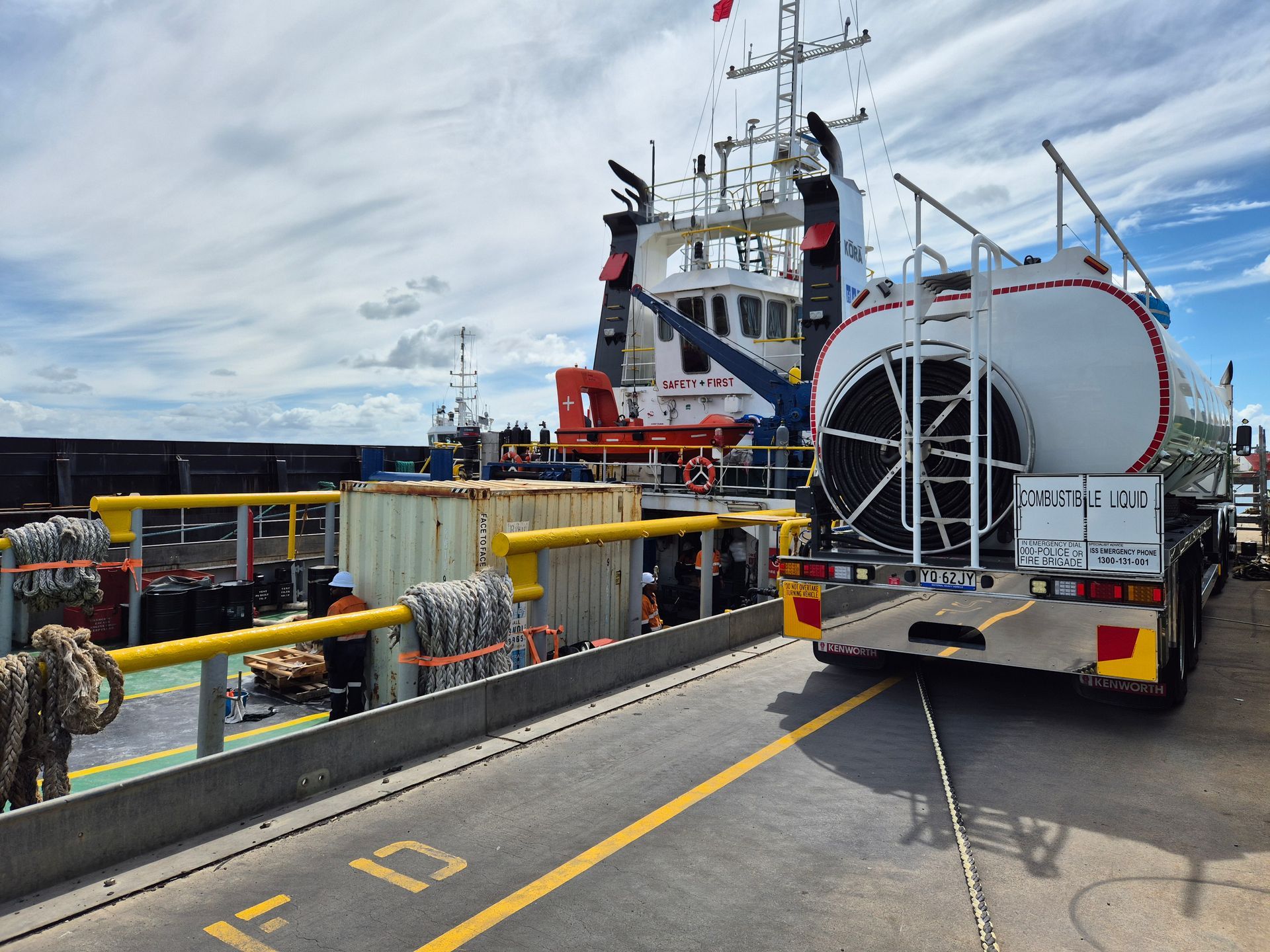
Transport companies, marine operators, construction firms, farms, and logistics providers all rely on diesel-powered vehicles and machinery.
Even short interruptions can lead to:
- missed deliveries
- operational downtime
- client delays
- higher emergency purchasing costs
For households
Fuel shortages make commuting, school runs, medical appointments, and essential errands much harder.
For cost control
Without planning, businesses and households are often forced to buy fuel at inflated prices during a crisis.
For continuity
Maintaining access to emergency fuel keeps operations moving and reduces disruption.
Quick tip
A simple weekly review of fuel usage can help you identify shortfalls before they become critical.
Immediate Emergency Fuel Support Options
If supplies are already tight, here are the most practical solutions you can use immediately.
1. Government and Community Support Programs
During severe shortages, local councils, emergency services, and transport associations may offer fuel relief programs.
These may include:
- priority fuel access
- emergency supply points
- assistance for essential services
- fuel allocation updates
Action step
Keep an updated list of:
- local council websites
- fuel distributor hotlines
- transport authority contacts
- emergency services notices
Having this list ready saves valuable time during supply disruptions.
2. Partner With Bulk Fuel Suppliers
Reliable bulk suppliers are one of the best ways to reduce risk.
Many suppliers offer:
- scheduled fuel deliveries
- commercial priority agreements
- emergency dispatch services
- long-term supply contracts
For businesses, this can dramatically reduce waiting times during shortages.
Immediate tip
If you manage a fleet, now is the time to establish supplier priority agreements before shortages worsen.
3. Temporary Fuel Storage
Short-term storage is one of the most effective emergency support strategies.
For businesses
Certified diesel tanks can help bridge short-term supply gaps.
For households
Small approved containers can provide a backup supply for essential travel. Always ensure storage complies with Australian safety regulations and legal limits. Never store fuel in unapproved containers.
How to Plan for Fuel Emergencies
The strongest protection against shortages is preparation.
Here’s a simple step-by-step plan.
Step 1: Track Fuel Usage
Start by understanding how much fuel you actually use.
Track:
- daily vehicle usage
- machinery consumption
- high-demand periods
- weekly averages
This gives you visibility before supply issues become urgent.
Example
A delivery business that normally uses 400 litres per week can prepare a reserve based on 1–2 weeks of supply.
Step 2: Build a Fuel Reserve Plan
Work out how much reserve fuel is realistic and safe.
Consider:
- fleet size
- storage capacity
- legal limits
- emergency-only needs
Important:
Stored fuel should be rotated regularly.
Older fuel can degrade over time, especially diesel.
Step 3: Train Your Team
For businesses, staff awareness matters.
Drivers and operators should know:
- emergency fuel-saving procedures
- priority vehicle use
- supplier contact process
- storage safety steps
Immediate tip
Encourage fuel-efficient driving:
- avoid idling
- maintain tyre pressure
- plan routes efficiently
These simple steps reduce usage immediately.
Step 4: Use Fuel Management Software
Technology makes emergency planning easier.
Fuel tracking apps can monitor:
- stock levels
- supplier details
- consumption rates
- price alerts
- low-stock warnings
This gives you extra planning time before shortages hit.
Household Emergency Fuel Tips
Fuel emergencies affect households, too.
Here are practical steps families can take.
Know which stations stay stocked
Some stations receive priority deliveries. Identify reliable local fuel stations in advance.
Keep a small legal reserve
A small approved fuel reserve can help during urgent shortages.
Useful for:
- commuting
- medical appointments
- school transport
Reduce unnecessary trips
Combine errands and adjust schedules to reduce fuel use.
Carpooling is also an effective short-term solution.
Stay informed
Monitor:
- local news
- council alerts
- fuel supplier updates
Real-time updates can help you avoid wasted trips.
Reducing Risk During Fuel Emergencies
1. Avoid Contaminated Emergency Fuel
In emergencies, poor-quality fuel can become a risk.
Always use:
- certified suppliers
- approved storage containers
- clean transfer equipment
Inspect fuel for:
- unusual colour
- cloudiness
- sediment
2. Prioritise Essential Operations
For businesses, allocate fuel to the most critical operations first.
Examples:
- delivery vehicles
- marine service vessels
- emergency machinery
For households:
- work travel
- urgent medical trips
- essential errands
3. Share Resources Where Safe
Businesses in the same area may benefit from coordinated fuel supply arrangements.
Shared bulk deliveries can be:
- more cost-effective
- easier to secure
- safer to manage